
Introduction
In the quest for modern building materials, wood-plastic composite has emerged as a game-changer, seamlessly blending the natural beauty of timber wood with the durability of synthetic materials. This innovative solution is not just about aesthetics; it brings a host of benefits that make it an attractive choice for various applications. From outdoor spaces to furniture design, composite lumber decking is transforming how we think about construction and landscaping.
Understanding Wood-Plastic Composite
Wood-plastic composite, often abbreviated as WPC, is a versatile material made from a combination of wood fibers and plastic polymers. This unique blend not only enhances the structural integrity but also provides an eco-friendly alternative to traditional timber products. Unlike conventional materials, composite boards resist warping and splintering while offering the warmth and charm reminiscent of natural wood.
Benefits of Composite Decking
One major benefit is its exceptional durability; composite wood decking boards can withstand harsh weather conditions without fading or deteriorating over time. Additionally, these low-maintenance solutions require minimal upkeep compared to their wooden counterparts—no need for regular staining or sealing!
Key Applications of Composite Lumber
The versatility of composite lumber extends beyond just decking; its applications are vast and varied. Homeowners are increasingly using composite boards for landscaping projects that include garden beds and retaining walls due to their resistance to pests and decay. Furthermore, with its stylish finish, this material has found its way into furniture design—creating chic outdoor seating options that don't compromise on comfort or longevity.
What is Wood-Plastic Composite?
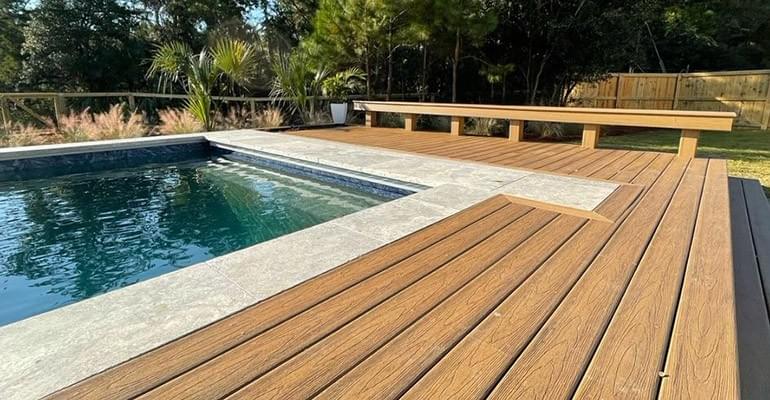
Wood-plastic composite (WPC) is an innovative material that combines the best features of wood and plastic, resulting in a versatile product ideal for various applications. This composite lumber decking is engineered to offer the aesthetic appeal of timber wood while providing enhanced durability and resistance to the elements. As a result, WPC has gained popularity in outdoor settings, particularly for decking and landscaping projects.
Definition and Composition
Wood-plastic composite consists primarily of two key components: finely ground wood fibers or sawdust, and thermoplastic materials such as polyethylene or polypropylene. This unique blend creates a material that mimics the look and feel of traditional wood while harnessing the advantages of plastics. The result is a composite wood decking boards solution that offers both beauty and resilience, making it an attractive option for homeowners and builders alike.
How It’s Made
The manufacturing process of wood polymer composites involves mixing the wood fibers with plastic resins under controlled conditions to create a homogenous mixture. This mixture is then extruded into various shapes, including planks for composite decking or boards for other applications. The production process can also incorporate additives to enhance properties like UV resistance or color stability, ensuring that your composite boards remain vibrant and functional over time.
Differences from Traditional Materials
When comparing wood-plastic composites to traditional materials like timber wood or PVC decking, several distinctions become evident. While timber offers natural beauty, it often requires significant maintenance due to susceptibility to rot, insects, and weathering; WPC eliminates many of these concerns with its durable composition. Furthermore, unlike PVC decking which can sometimes lack texture or warmth, composite lumber decking provides an authentic wooden appearance while still being more resistant to fading and wear than conventional materials.
Advantages of Composite Decking
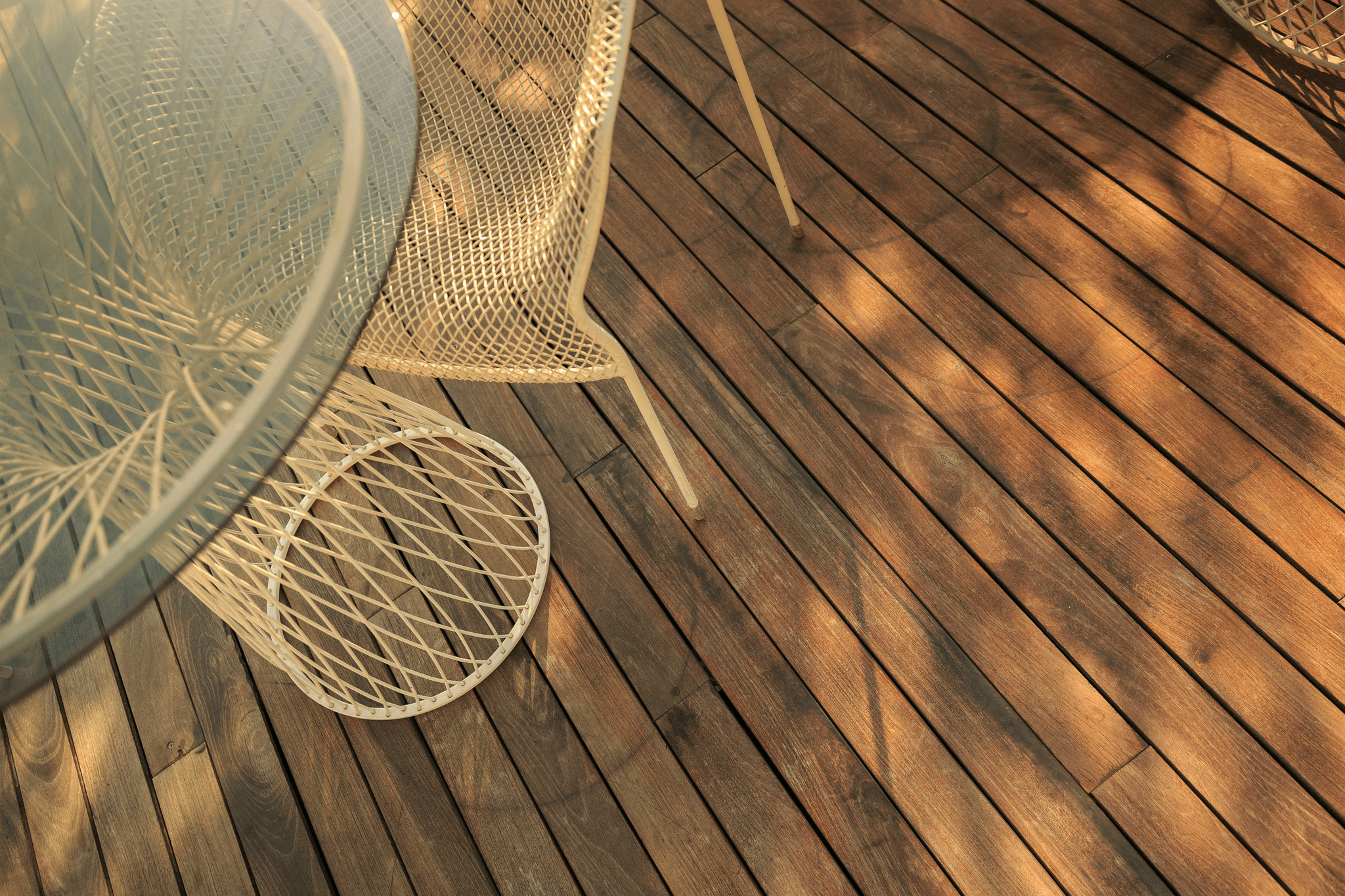
The benefits of wood-plastic composite materials are numerous, making them a compelling alternative to traditional timber wood. From durability to low maintenance requirements, composite lumber decking is designed to enhance your outdoor experience while minimizing hassle.
Durability and Longevity
One of the most significant advantages of composite decking is its remarkable durability and longevity. Unlike traditional timber wood that can warp, splinter, or rot over time, wood-polymer composites are engineered for strength and resilience. This means that when you invest in composite wood decking boards, you're not just buying a surface; you're securing an outdoor feature that can withstand the test of time and elements.
Composite boards typically come with warranties that reflect their long-lasting nature—often lasting 25 years or more! This longevity makes them an excellent choice for homeowners looking to enhance their property value without frequent replacements or repairs. Plus, with less wear and tear compared to conventional materials like PVC decking or timber wood, you’ll find yourself enjoying your deck rather than worrying about its maintenance.
Low Maintenance Requirements
Another standout feature of composite lumber decking is its low maintenance requirements. Unlike traditional wooden decks that demand regular staining, sealing, and painting to maintain their appearance and integrity, composite decking only requires occasional cleaning with soap and water. This ease of upkeep allows you more time to enjoy your outdoor space instead of laboring over it.
Moreover, the composition of wood-plastic composites means they resist fading from UV rays better than many other materials on the market today. So say goodbye to those tedious touch-ups every few years! With minimal effort needed for upkeep, homeowners can relish their beautiful decks without the constant worry associated with maintaining timber wood surfaces.
Resistance to Weather and Pests
Composite decking also excels in its resistance to weather conditions and pest infestations—two common issues faced by traditional wooden decks. Wood-polymer composites are engineered specifically to withstand moisture without succumbing to mold or mildew growth; this makes them ideal for humid climates where timber wood might falter under pressure.
Additionally, unlike untreated lumber which can attract unwanted pests like termites or carpenter ants, composite boards offer a pest-resistant solution due in part to their unique material composition. This inherent resistance not only preserves your deck's integrity but also contributes significantly toward reducing long-term repair costs associated with damage from insects or harsh weather conditions like rain or snow.
Popular Uses of Composite Boards
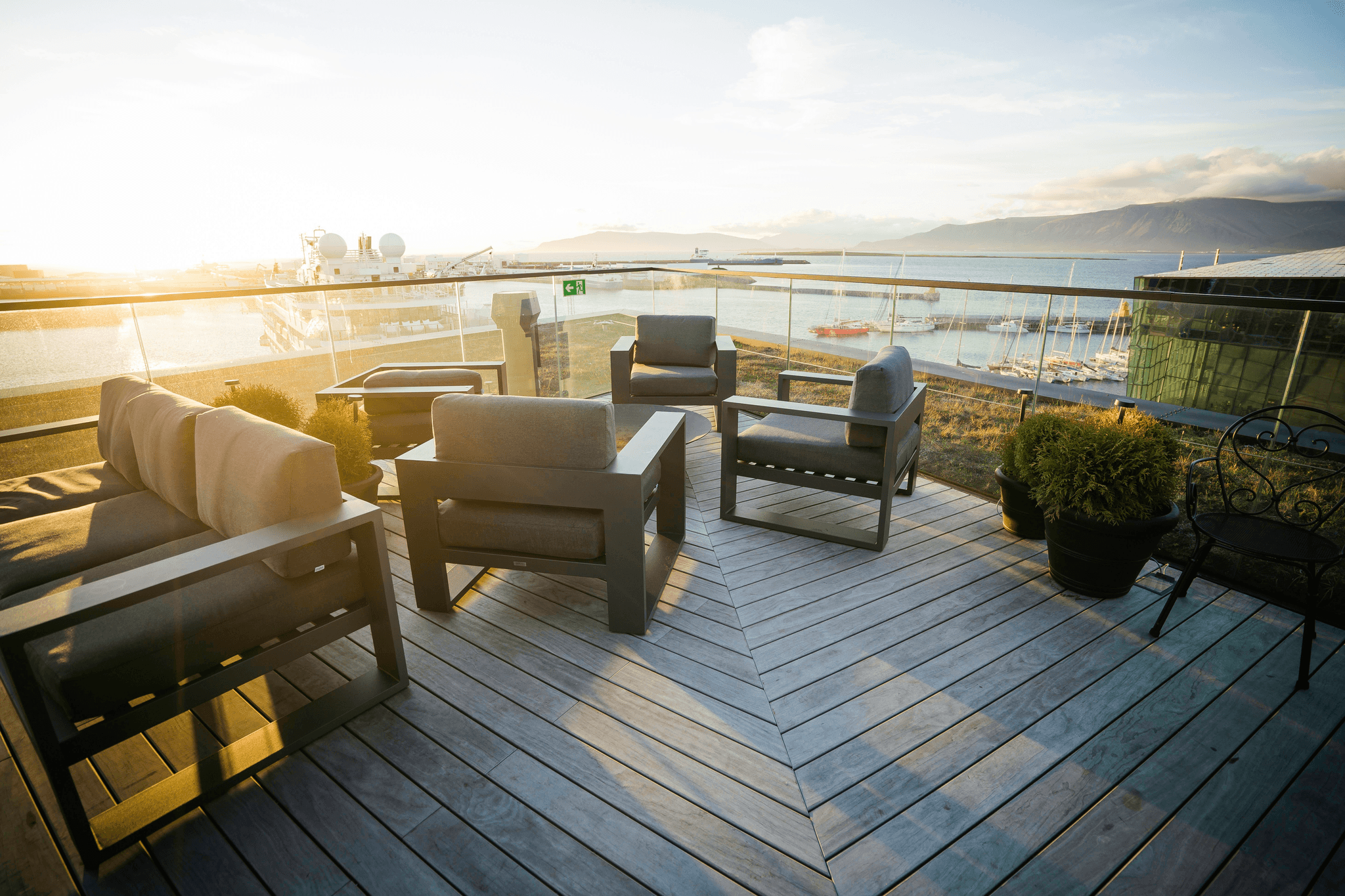
Composite boards have carved a niche in various sectors, thanks to their versatility and durability. From outdoor spaces to indoor designs, wood-plastic composite materials are making waves in construction and design. Let’s delve into some popular uses that highlight the advantages of composite lumber decking.
Outdoor Decking Solutions
When it comes to outdoor decking solutions, wood polymer composite is a game changer. Unlike traditional timber wood, composite decking offers superior resistance to the elements, ensuring your deck remains stunning year after year without the hassle of constant maintenance. With options like PVC decking and composite wood decking boards, homeowners can create beautiful outdoor spaces that stand up to weather challenges while providing a safe place for family gatherings.
Moreover, composite lumber decking provides an aesthetic appeal that rivals natural wood without the drawbacks of warping or splintering. This makes it an excellent choice for patios, pool decks, and garden walkways where both beauty and functionality are paramount. The wide range of colors and textures available allows homeowners to customize their outdoor areas while enjoying all the benefits of durable materials.
Landscaping Projects
In landscaping projects, wood-plastic composites shine as a sustainable option that enhances environmental aesthetics. Garden beds made from composite boards not only look great but also resist rot and pests better than traditional timber options. Whether you’re building raised garden beds or decorative borders, using composite lumber ensures longevity while minimizing environmental impact.
Additionally, these materials can be used for pathways or retaining walls that blend seamlessly with nature without compromising on strength or durability. The lightweight yet sturdy properties of composite boards make them easy to handle during installation while providing lasting support against soil erosion or shifting landscapes. As more landscapers turn toward eco-friendly solutions, the popularity of wood polymer composites continues to grow.
Furniture and Design Applications
The furniture industry has also embraced the charm of wood-plastic composites in recent years. From chic patio furniture sets to modern indoor pieces, composite boards offer designers flexibility along with resilience against wear and tear. Not only do these materials provide innovative design possibilities, but they also contribute significantly to sustainable living by reducing reliance on natural timber resources.
Moreover, using composite lumber for furniture means less maintenance compared to traditional wooden pieces; no more worrying about sanding down splinters or dealing with water damage! With stylish finishes available in various colors reminiscent of natural wood grains, it’s easy to see why interior designers favor this material for both residential and commercial projects alike.
Choosing the Right Composite Lumber
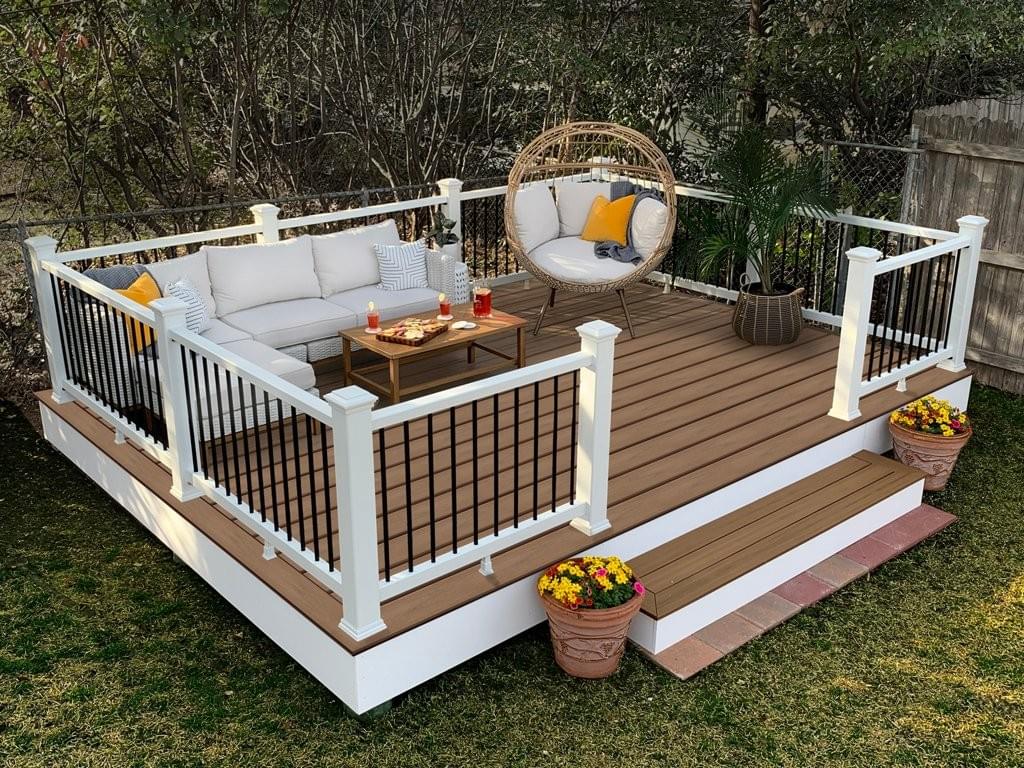
When it comes to selecting the right composite lumber, whether for decking, landscaping, or furniture projects, there are several factors to consider. The world of wood-plastic composite materials can be overwhelming due to the variety of options available. By understanding your specific needs and preferences, you can make an informed decision that suits your project perfectly.
Factors to Consider
First and foremost, think about the intended use of your composite decking. Are you looking for something that can withstand harsh weather conditions or perhaps a product that offers a more aesthetic appeal? Additionally, consider the maintenance level you're willing to commit to; some wood polymer composites require minimal upkeep compared to traditional timber wood options.
Another critical factor is durability and warranty offerings from manufacturers. Many brands provide extensive warranties on their composite boards, indicating their confidence in product longevity. Make sure to check for resistance against fading, staining, and mold growth—these elements can significantly impact your overall satisfaction with composite lumber decking.
Lastly, budget plays a vital role in your decision-making process. While it may be tempting to go for cheaper options initially, investing in high-quality composite wood decking boards often pays off in the long run due to reduced maintenance costs and longer lifespan. Balancing quality with affordability will help you choose wisely.
Comparing Different Brands
With numerous brands in the market offering various types of wood-plastic composites, it's essential to do some homework before making a purchase. Start by identifying leading manufacturers known for producing high-quality composite decking solutions; customer reviews and ratings can be invaluable here. Look closely at what each brand promises regarding durability and performance—some may specialize in PVC decking while others focus on more eco-friendly materials.
Another aspect worth considering is how each brand's products compare when it comes to aesthetics and design flexibility. Some brands offer a broader range of colors and finishes that allow you greater creative freedom in landscaping or outdoor living projects using composite boards. Furthermore, pay attention to any special features offered by different brands—such as slip resistance or ease of installation—that might cater specifically to your needs.
Lastly, don't forget about customer service! A brand that provides excellent support during purchase and installation can make all the difference when working with complex materials like composite lumber decking. Ensure they have accessible resources like installation guides or responsive customer support teams ready to assist if needed.
Spotlight on Composite Decking Inc
One standout option in the world of wood-plastic composites is Composite Decking Inc., renowned for its commitment to quality and innovation within the industry. They offer an impressive selection of composite wood decking boards designed not only for durability but also aesthetic appeal—perfectly blending functionality with style! Their products are designed with advanced technology that ensures maximum resistance against wear from weather elements as well as pests.
Composite Decking Inc.’s commitment goes beyond just providing exceptional products; they also prioritize sustainable practices throughout their manufacturing processes by using recycled materials wherever possible—a win-win situation for eco-conscious consumers! With various colors and textures available, you’ll find something suitable whether you're aiming for a classic look or modern flair in your outdoor spaces.
In conclusion, choosing the right composite lumber involves careful consideration of multiple factors including usage requirements, brand reputation, aesthetics, budget constraints—and Composite Decking Inc stands out as an excellent choice worth exploring further!
Environmental Impact of Wood Polymer Composite

The environmental impact of wood polymer composite is a topic that deserves our attention, especially in an age where sustainability is paramount. Wood-plastic composite (WPC) materials, such as composite decking and composite lumber decking, offer a more eco-friendly alternative to traditional timber wood products. By understanding the sustainability considerations, recycling capabilities, and eco-friendly manufacturing processes associated with these materials, we can make informed choices that benefit both our homes and the planet.
Sustainability Considerations
When we talk about sustainability in building materials, wood polymer composites often come out on top. Unlike conventional timber wood that requires extensive logging and contributes to deforestation, composite boards are made from recycled plastics and reclaimed wood fibers. This not only reduces waste but also minimizes the carbon footprint associated with production, making composite wood decking boards a smart choice for environmentally-conscious consumers.
Moreover, using composite decking helps preserve natural resources by reducing the demand for new timber production. Many manufacturers of WPC prioritize sustainable sourcing practices and aim to use post-consumer recycled content in their products. As a result, choosing wood-plastic composites not only enhances your outdoor spaces but also supports global efforts toward sustainability.
Recycling and Waste Reduction
One of the standout features of wood-plastic composites is their recyclability. Unlike traditional materials that often end up in landfills at the end of their life cycle, many types of composite lumber decking can be repurposed or recycled into new products. This creates a circular economy where waste is minimized and valuable resources are conserved.
Additionally, manufacturers are increasingly adopting practices to reduce waste during production processes for composite boards. By optimizing material usage and incorporating leftover scraps back into new batches of WPC products, they further contribute to waste reduction efforts within the industry. This innovative approach not only benefits the environment but also appeals to consumers looking for responsible building solutions.
Eco-Friendly Manufacturing Processes
The manufacturing processes used to create wood polymer composites have evolved significantly over recent years to become more environmentally friendly. Many companies now utilize advanced technologies that reduce energy consumption during production while ensuring high-quality output for items like PVC decking and other types of composite boards.
Furthermore, some manufacturers prioritize using non-toxic adhesives and low-VOC (volatile organic compounds) resins in their formulations—making their products safer for both human health and the environment compared to traditional alternatives that may release harmful chemicals over time. With these eco-friendly manufacturing practices in place, choosing WPC for your next project becomes not just an aesthetic decision but also a commitment to sustainable living.
Conclusion
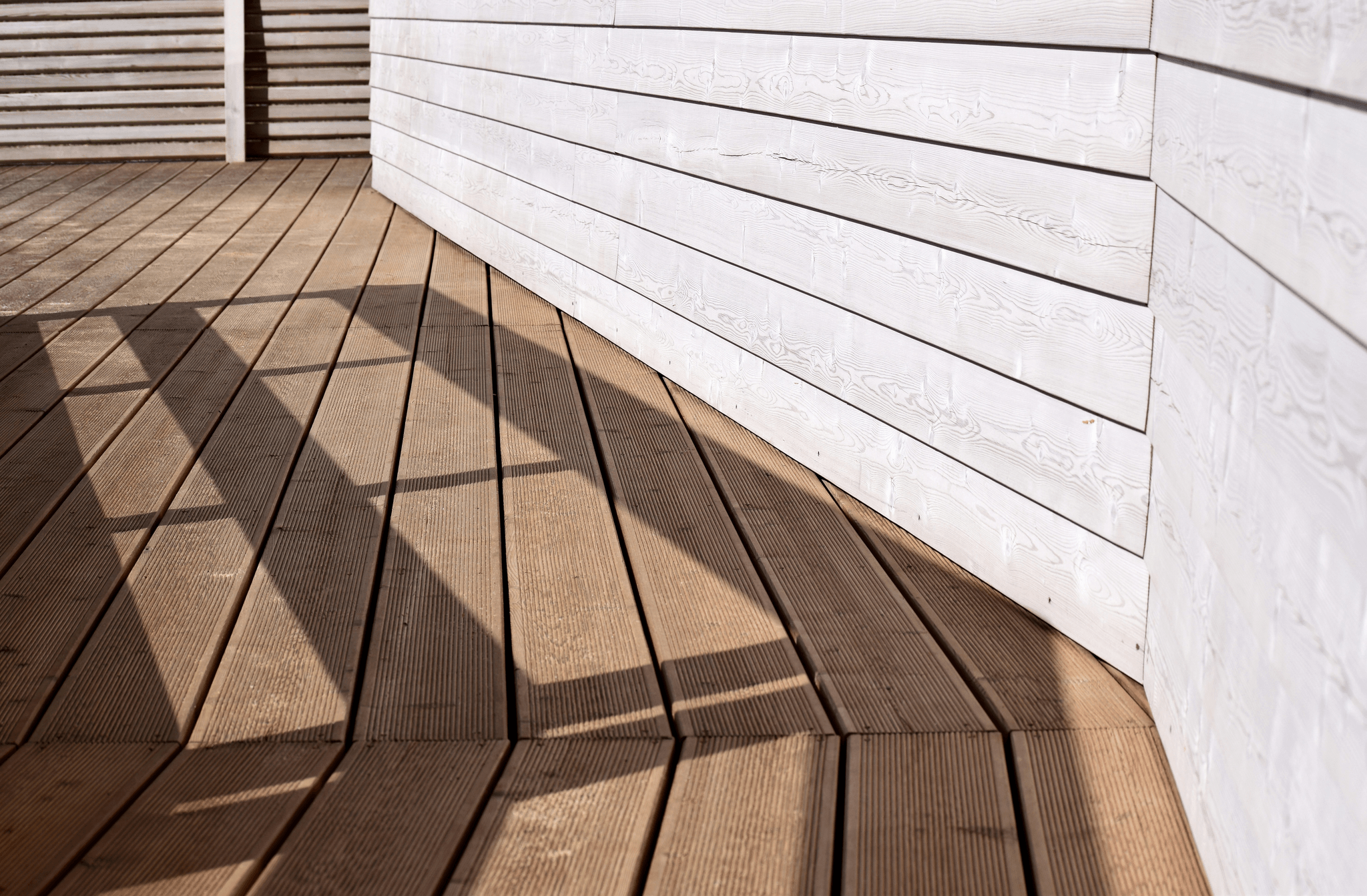
In wrapping up our exploration of wood-plastic composite, it’s clear that this innovative material offers a wealth of benefits. From its remarkable durability to its low maintenance requirements, composite decking stands out as a superior alternative to traditional timber wood. With applications ranging from outdoor decking solutions to furniture design, composite lumber decking is paving the way for sustainable building practices.
Summary of Wood-Plastic Composite Benefits
Wood-plastic composite combines the best attributes of both wood and plastic, resulting in a product that is not only long-lasting but also resistant to weather and pests. Unlike conventional materials, wood polymer composite requires minimal upkeep while maintaining its aesthetic appeal over time. By choosing composite wood decking boards, homeowners can enjoy the beauty of natural timber without the associated drawbacks like rotting or warping.
Future Trends in Composite Wood Decking
As technology advances, we can expect even more exciting developments in the realm of composite decking. Innovations may lead to enhanced formulations that improve durability and reduce environmental impact further, making wood-plastic composites an even more appealing choice for eco-conscious consumers. Additionally, with increasing demand for sustainable building materials, manufacturers are likely to focus on creating new designs and textures that mimic traditional timber wood while offering all the benefits of PVC decking.
Final Thoughts on Sustainable Choices
Embracing wood-plastic composites is not just about choosing a practical solution; it’s also about making responsible choices for our environment. The eco-friendly manufacturing processes and recycling opportunities associated with composite boards highlight their role in promoting sustainability within construction and landscaping industries. As we move towards a greener future, opting for materials like composite lumber will be essential in reducing waste and preserving our natural resources.