
Introduction
Deck boards popping up can be a frustrating sight for any homeowner, signaling potential issues beneath the surface. When deck boards begin to lift, it not only disrupts the aesthetics of your outdoor space but can also pose safety hazards. Understanding why this happens is crucial for maintaining the integrity and enjoyment of your deck.
Understanding Deck Boards Popping Up
Deck boards popping up typically occurs due to a combination of environmental factors and structural issues. Seasonal changes, moisture levels, and the type of materials used can all contribute to this unwelcome phenomenon. Knowing how these elements interact with your deck can help you identify solutions that are effective for both composite and pressure-treated decks.
Common Causes of Popping Deck Boards
Several common culprits lead to deck boards popping up, including inadequate fasteners, wood rot, and improper installation techniques. In many cases, shifting ground or fluctuating temperatures exacerbate these problems by causing wood to expand and contract unpredictably. Recognizing these causes is essential for implementing effective fixes for composite vs. pressure-treated decks.
Importance of Fixing Deck Boards
Addressing popping deck boards promptly is vital for both safety and longevity. Ignoring these issues can lead to more extensive damage over time, potentially costing you more in repairs or replacements down the line. By taking action now, you ensure that your outdoor space remains safe and enjoyable for years to come.
Inspect the Deck Structure
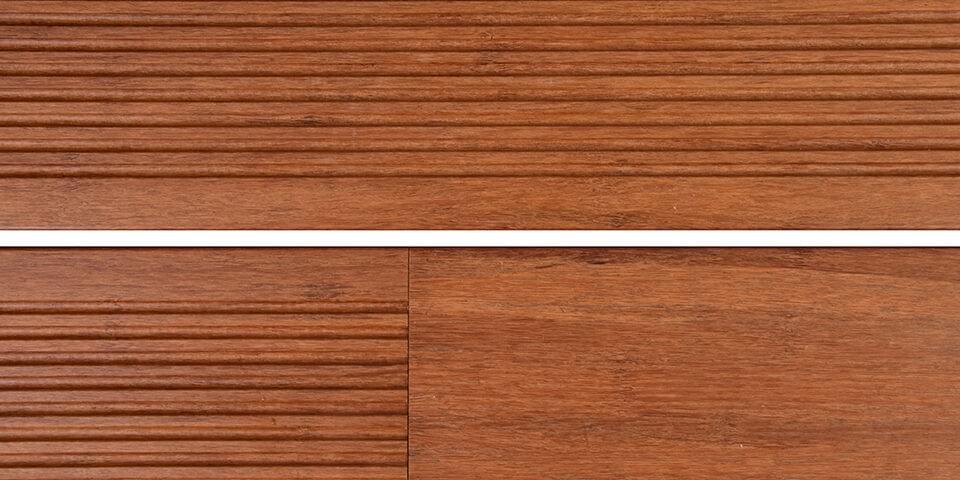
Before diving into fixes for popping deck boards, it’s crucial to inspect the overall structure of your deck. A thorough examination can reveal underlying issues that may be causing those pesky boards to pop up. By checking for missing fasteners, wood rot, and environmental impacts, you can better understand the necessary steps to take.
Check for Missing Fasteners
One of the most common culprits behind deck boards popping up is missing fasteners. These little guys hold everything together and if they're absent, your deck's integrity is compromised. Start by inspecting each board and fastening point; if you find any loose or missing screws or nails, it’s time to tighten things up or replace them as needed.
Look for Wood Rot or Damage
Wood rot is another significant factor contributing to popping deck boards, especially in pressure-treated decks that have seen better days. Inspect each board for soft spots or discoloration; these are telltale signs of decay that could lead to further structural problems if left untreated. If you discover any damage, don’t hesitate to replace those boards before they become a larger headache.
Assess Environmental Impact
Lastly, consider how environmental factors might be affecting your deck structure over time. Weather conditions like heavy rain or extreme heat can cause wood to expand and contract, leading to those annoying popping noises from your deck boards. Additionally, check for nearby trees or plants that might be encroaching on your space; roots can shift supports and exacerbate issues with pops and cracks in both composite and pressure-treated decks.
Replace Damaged Deck Boards
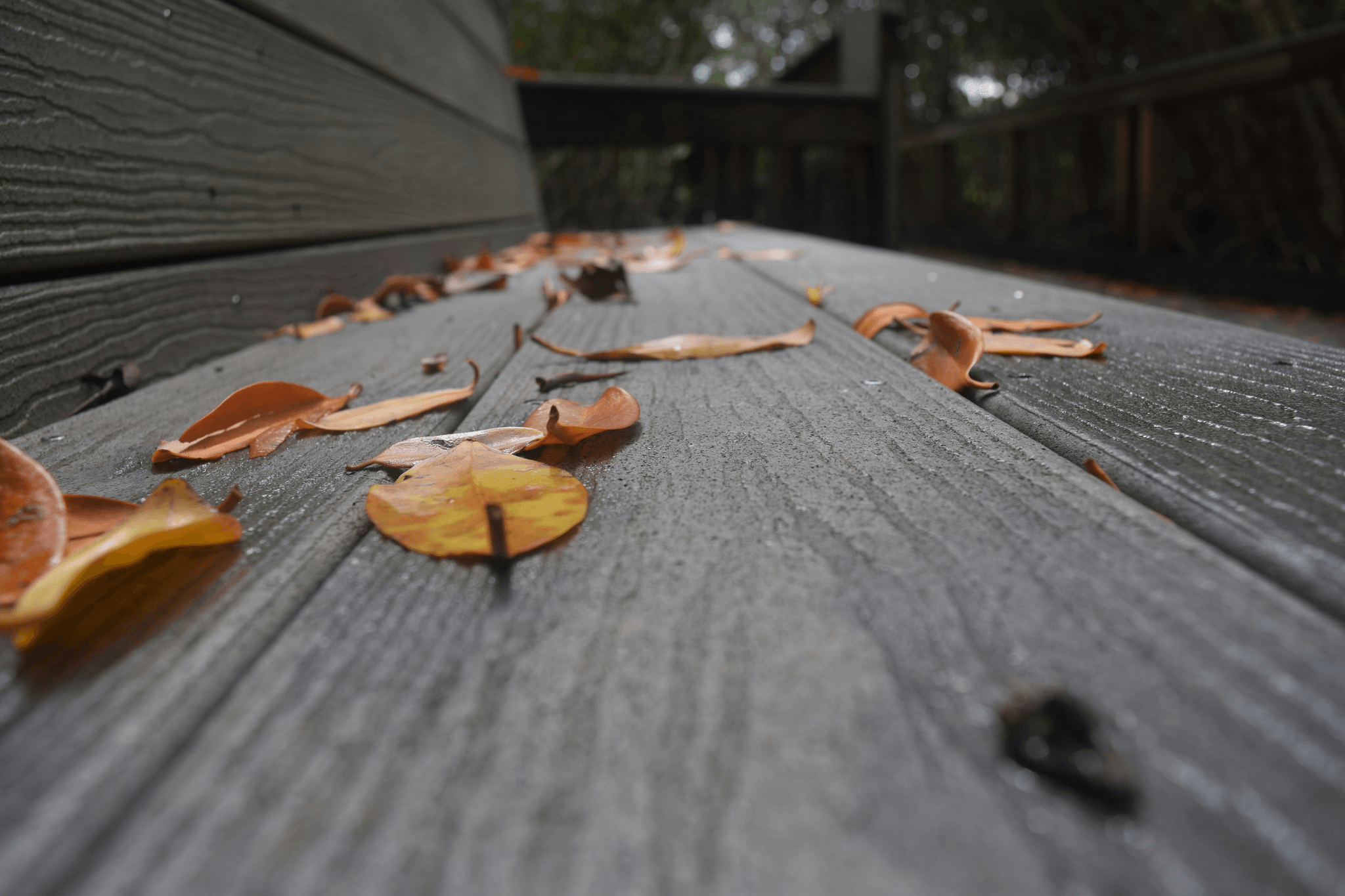
A well-maintained deck not only enhances your outdoor space but also prevents further issues down the line. Let’s dive into how you can effectively replace those troublesome boards.
Identify Boards That Need Replacement
First things first—take a good look at your deck and identify which boards are causing issues. Look for signs of warping, splitting, or significant wear that could lead to further problems with deck boards popping up. If a board feels loose or bouncy when you walk on it, chances are it’s time to consider replacement before someone takes an unexpected tumble.
Choose Quality Decking Materials
Once you've pinpointed the rogue boards, it's time to choose quality decking materials that will stand the test of time—and weather! Whether you're leaning towards composite or pressure-treated wood, ensure you select materials that offer durability and resistance to elements like moisture and insects. Remember, investing in high-quality decking now can save you from future headaches associated with popping deck boards.
Proper Installation Techniques
Now that you've got your new decking materials ready, proper installation is key to ensuring those pesky deck boards don’t pop up again anytime soon. Start by following manufacturer guidelines closely; they often provide specific instructions tailored for their products. Additionally, make sure you're using the right fasteners and spacing them correctly—this will help maintain structural integrity and prevent future popping issues.
Tighten Loose Fasteners
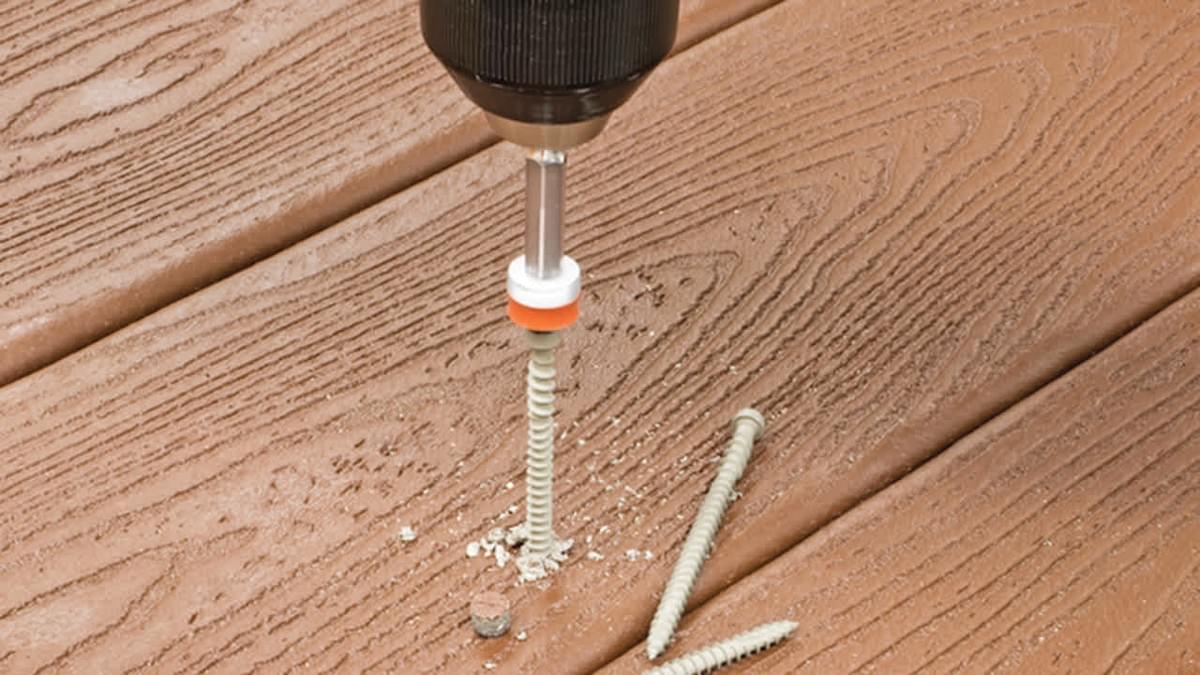
One of the most effective fixes for deck boards popping up is to tighten loose fasteners. Over time, exposure to the elements and regular foot traffic can loosen screws and nails, leading to those pesky boards lifting up. Addressing this issue promptly not only enhances the safety of your deck but also extends its lifespan.
Types of Fasteners to Consider
Stainless steel screws are a fantastic option because they resist rust and corrosion, making them ideal for outdoor use. Alternatively, galvanized screws provide a more budget-friendly option while still offering decent protection against moisture.
In addition to screws, you might also consider using deck nails or specialized deck clips designed for composite materials. Each type of fastener has its own advantages depending on whether you're working with composite or pressure-treated wood decks—so choose wisely! Remember that using high-quality fasteners will ultimately save you time and money in repairs down the line.
Recommended Tools for Tightening
To tackle those loose fasteners effectively, you'll need a few essential tools in your arsenal. A power drill with a screwdriver bit is your best friend here; it makes quick work of tightening screws without much effort on your part. If you're dealing with stubborn nails, a pry bar can help you pull them out before replacing them with fresh ones.
For those who prefer hand tools, a manual screwdriver will do the trick as well—just be prepared for some extra elbow grease! Don't forget safety goggles and gloves; after all, when it comes to fixing deck boards popping up, it's better to be safe than sorry!
Regular Maintenance Practices
Once you've tightened those loose fasteners, implementing regular maintenance practices will go a long way in preventing future issues with popping deck boards. Schedule seasonal inspections where you check for signs of wear and tear on both the fasteners and decking materials themselves—this proactive approach can catch problems before they escalate into bigger headaches.
Additionally, keep an eye on moisture levels around your deck; excessive water can lead to wood rot or damage that may cause further lifting issues down the line. Lastly, consider applying a protective sealant every couple of years; this not only enhances appearance but also provides an extra layer of defense against environmental factors.
Adjust the Deck’s Support System
When it comes to tackling the issue of deck boards popping up, adjusting the deck's support system can be a game-changer. A well-structured support system ensures that your deck remains stable and intact over time, preventing further issues from arising. If you want to keep your outdoor space looking pristine and safe, it's essential to address this aspect.
Evaluate Joist Spacing
Start by examining the spacing between your joists, as improper spacing can lead to those pesky deck boards popping up. Ideally, joists should be spaced 16 inches apart for standard decking materials; however, this can vary depending on the type of decking you choose—Fixes for Composite vs. Pressure-Treated Decks may require different considerations. If you find that your joist spacing is too wide or uneven, it could be a significant factor contributing to your deck's woes.
Consider Adding Extra Supports
If you're facing persistent issues with deck boards popping up despite proper joist spacing, it might be time to consider adding extra supports. This could involve installing additional joists or blocking between existing ones to improve stability and reduce movement in your decking material. By reinforcing the structure in this way, you not only enhance safety but also prolong the life of your deck.
Importance of Proper Load Distribution
Proper load distribution is crucial when adjusting your deck’s support system; an uneven load can lead to unnecessary stress on certain areas of your decking and contribute to board warping or popping up over time. Ensuring that weight is evenly distributed across all supports helps maintain the integrity of both composite and pressure-treated decks alike—so no more surprises when you're hosting a barbecue! Remember that a well-balanced structure will keep those troublesome deck boards in check while providing a solid foundation for years of enjoyment.
Use Deck Board Clips
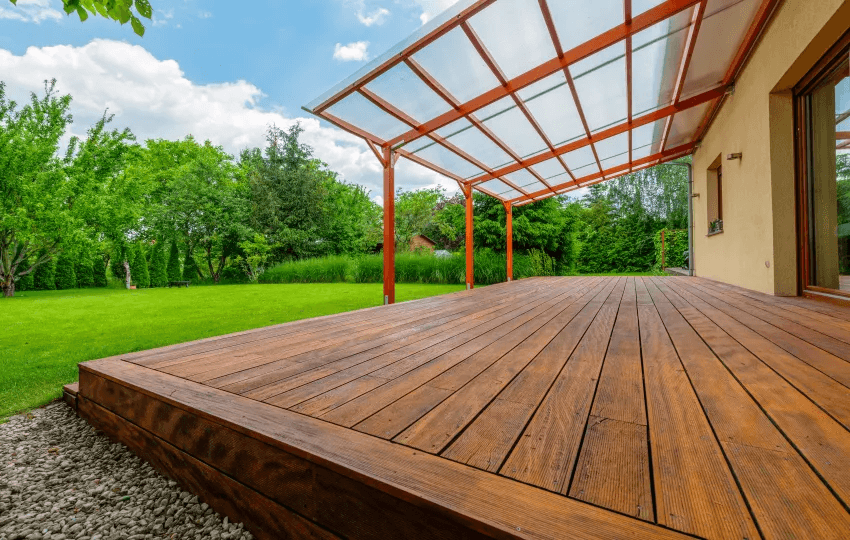
When it comes to tackling the issue of deck boards popping up, using deck board clips can be a game changer. These handy little devices help secure your deck boards in place, reducing the chances of them lifting and creating those annoying gaps. Plus, they can extend the life of your deck by allowing for proper drainage and airflow.
Benefits of Deck Board Clips
Deck board clips provide several advantages that make them an essential tool for any decking project. First off, they create a cleaner look by eliminating visible fasteners, giving your deck a sleek finish. Additionally, these clips allow for natural expansion and contraction of the wood or composite materials, which is particularly beneficial in fluctuating weather conditions—less chance of those pesky popping boards!
Another perk? They help distribute weight evenly across the structure. This means that if you’re hosting a barbecue or just lounging with friends on your pressure-treated deck, you won’t have to worry about uneven load distribution leading to more popping issues down the line.
How to Install Deck Board Clips
Installing deck board clips is straightforward and can be done with minimal tools—perfect for DIY enthusiasts! Start by ensuring your joists are spaced correctly; typically 16 inches apart works best for most decking materials. Once you’ve verified this spacing, lay down your first board and insert the clip into its designated groove.
Next, position the clip over the joist and secure it with screws—make sure it's snug but not overly tight to allow for movement. Continue laying down each subsequent board in this manner until you've covered your entire surface area; voilà! You’ve effectively reduced the chances of those unsightly deck boards popping up.
Maintenance Tips for Long-lasting Effect
To keep those deck board clips working their magic over time, regular maintenance is key! Start by inspecting them periodically—look out for any signs of wear or loosening over time due to weather exposure or heavy usage. If you notice any issues, simply tighten or replace individual clips as necessary.
Additionally, ensure that debris like leaves or dirt isn't accumulating between boards; this can lead to moisture retention and potential rotting underneath—yikes! Regular cleaning will not only maintain aesthetics but also prolong the lifespan of both your clips and decking material.
Remember: Whether you're dealing with composite vs. pressure-treated decks, implementing these fixes will help maintain a sturdy foundation free from bothersome popping noises!
Conclusion
In conclusion, addressing the issue of deck boards popping up is essential for maintaining the safety and aesthetics of your outdoor space. Quick fixes can often remedy minor issues, but understanding when to seek professional help is equally important. Additionally, exploring sustainable solutions can lead to a longer-lasting and eco-friendly deck.
Quick Fixes for Popping Deck Boards
Start by tightening any loose fasteners and replacing damaged boards as needed; these actions can restore stability without much hassle. If you're dealing with composite versus pressure-treated decks, remember that the former may require specialized clips or fittings to secure them properly.
For those who prefer DIY solutions, using deck board clips can be an effective way to prevent future popping issues while enhancing your deck's overall appearance. Regular maintenance checks will also help you catch problems early before they escalate into larger repairs. Lastly, don't forget that seasonal changes can impact wood movement; staying proactive will keep your deck in top shape year-round.
When to Call in the Professionals
While many homeowners feel confident tackling minor repairs themselves, there are times when calling in professionals is the best course of action—especially for significant structural concerns related to popping deck boards. If you notice extensive wood rot or if your assessment reveals underlying issues with the support system, it's wise to consult an expert who specializes in decking solutions.
Professionals not only have access to advanced tools and materials but also possess the experience necessary to ensure that repairs are done correctly and safely. Ultimately, investing in professional help may save you time and money by preventing further damage down the line—so don’t hesitate if you're unsure about handling it yourself!
Sustainable Solutions from Composite Decking Inc
Sustainability is becoming increasingly important in home improvement projects, including addressing issues like deck boards popping up. Composite decking materials offer a fantastic solution because they are made from recycled materials and designed to withstand harsh weather conditions without warping or rotting like traditional wood options do. By choosing composite decking from companies like Composite Decking Inc., homeowners can enjoy durable surfaces while reducing their environmental footprint.
Moreover, composite materials typically require less maintenance than pressure-treated woods—meaning fewer resources spent on upkeep over time! This long-term investment not only enhances your outdoor space but also contributes positively toward sustainability efforts within your community. So when considering how best to address those pesky popping boards, think about going green with composite options!