
Introduction
In the world of modern construction and interior design, WPC panels have emerged as a game-changer. But what is WPC panel? Simply put, it’s a composite material made from wood fibers and PVC that combines the best of both worlds—durability and aesthetics. These panel wall panels are not only visually appealing but also offer a practical solution for various applications.
What is WPC Panel Explained
WPC stands for Wood Plastic Composite, which means these innovative wall panels incorporate both wood and plastic elements to create a versatile product. The blend of materials results in wall panels that are lightweight yet incredibly strong, making them an excellent choice for both interior and exterior use. When you panel the wall with WPC panels, you're investing in a solution that brings together style, functionality, and longevity.
The Benefits of WPC Panels
One of the standout benefits of using WPC panels is their resistance to moisture and insects, making them ideal for areas prone to dampness or pest issues. Unlike traditional wood panels that can warp or rot over time, these innovative panel PVC walls maintain their integrity while requiring minimal maintenance. Additionally, they offer an eco-friendly option by utilizing recycled materials in their production process, allowing you to beautify your spaces while being kind to the planet.
Popular Applications of WPC Panels
WPC panels are incredibly versatile and can be used in various settings—from residential homes to commercial spaces. In interior design, they serve as stunning interior wall panels that add warmth without compromising on durability. Outdoors, these panel wall panels shine as attractive cladding options or decking solutions that withstand the elements while enhancing curb appeal.
Understanding WPC Panel Composition
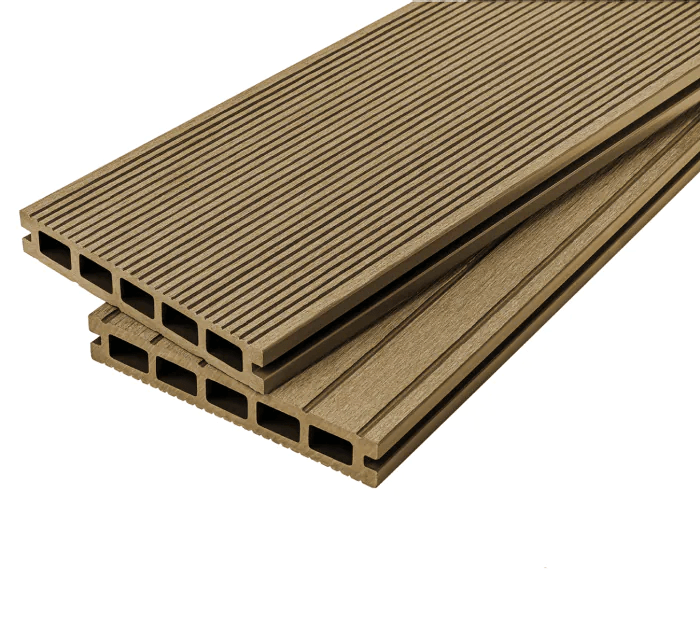
To truly grasp what a WPC panel is, it's essential to dive into its composition. WPC, or Wood Plastic Composite, seamlessly combines wood fibers with PVC (polyvinyl chloride) to create a robust and versatile material used in various panel wall applications. This unique blend ensures that the wall panels not only mimic the aesthetic appeal of traditional wood panels but also provide enhanced durability and functionality.
The Role of Wood Fibers
Wood fibers play a crucial part in the makeup of WPC panels, contributing both strength and texture. These fibers are sourced from recycled wood products, making them an eco-friendly choice for interior wall panels and other applications. By incorporating wood fibers into the mix, manufacturers can achieve a natural look that appeals to homeowners seeking warmth without sacrificing durability.
How PVC Enhances Durability
The addition of PVC in WPC panels significantly boosts their resistance to wear and tear compared to conventional wood panels. PVC acts as a protective barrier against moisture and insects, which are common culprits in the deterioration of traditional wood materials. This means that when you opt for panel PVC wall options, you're investing in longevity—no more worrying about rot or pest infestations ruining your beautiful wall panel.
Comparing to Traditional Wood Panels
When we compare WPC panels to traditional wood panels, the differences become glaringly apparent. While classic wooden panels offer beauty and charm, they often require extensive maintenance and are susceptible to environmental damage. In contrast, panel wall panels made from WPC provide an attractive alternative that combines aesthetic appeal with low upkeep requirements—perfect for busy lifestyles or those who simply want more time enjoying their space rather than maintaining it.
Advantages of Using WPC Panels

Not only do they offer exceptional durability, but they also come with a host of benefits that make them an attractive choice for both residential and commercial projects. Let’s dive into the advantages that make these panel wall panels a popular option among builders and homeowners alike.
Resistance to Moisture and Insects
One of the standout features of WPC panels is their impressive resistance to moisture and insects. Unlike traditional wood panels that can warp, swell, or become infested by pests, panel PVC wall options provide a robust barrier against these common issues. This means you can confidently use WPC interior wall panels in areas prone to humidity or insect activity without worrying about deterioration over time.
Moreover, this moisture resistance extends the lifespan of your panel wall panels significantly compared to conventional materials. Homeowners can enjoy peace of mind knowing their walls are protected from mold and mildew, which are not just unsightly but also pose health risks. So when you think about what is WPC panel, remember its resilience against nature’s nuisances!
Low Maintenance Requirements
Another compelling advantage of using WPC panels is their low maintenance requirements. Unlike traditional wood that demands regular staining or sealing to maintain its appearance and function, panel the wall with WPC means less hassle for you! A simple wipe down with soap and water is often all that's needed to keep your surfaces looking fresh.
This low upkeep translates into significant time savings for busy homeowners or property managers who want beautiful interiors without the constant upkeep associated with wood panels. The durability of WPC ensures that scratches and dents are less likely compared to other materials, making it an ideal choice for high-traffic areas like hallways or children's rooms. When considering your options in wall paneling solutions, think about how much easier life could be with low-maintenance choices like these!
Eco-Friendly Features
In today’s environmentally conscious world, eco-friendly features are more important than ever—and this is where WPC panels shine brightly! Made from recycled wood fibers and plastic composites, these innovative materials reduce waste while providing excellent performance as interior wall panels or outdoor applications alike. Choosing WPC means you're not just enhancing your space; you're also making a responsible choice for our planet.
Additionally, many manufacturers adhere to sustainable practices during production processes which further boosts the eco-credentials of these panel wall panels. By opting for what is WPC panel technology in your construction projects, you contribute positively towards reducing deforestation and minimizing landfill waste associated with traditional wood products. It's a win-win situation: stylish interiors coupled with environmental stewardship!
Different Types of WPC Panels
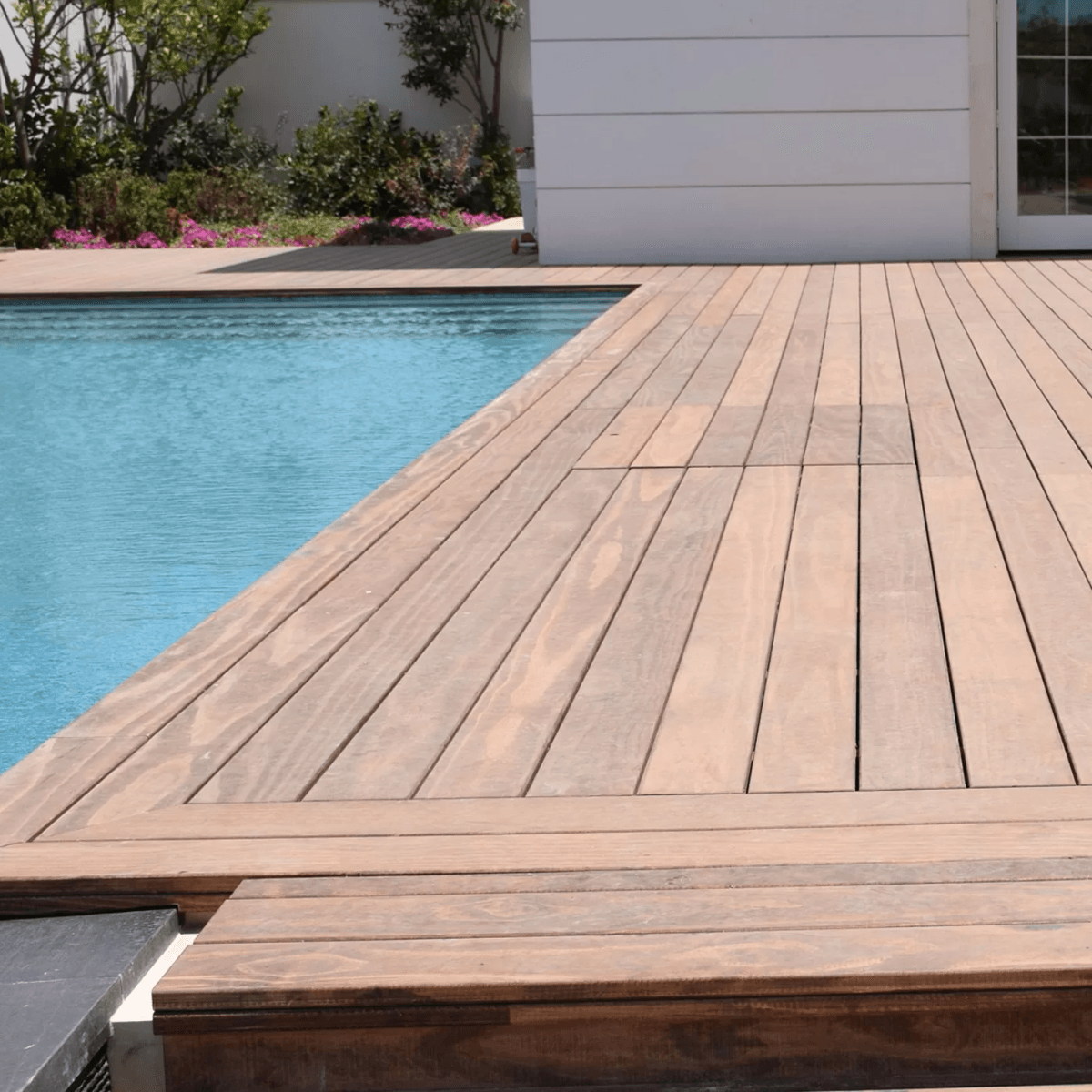
Interior Wall Panels Options
Interior wall panels made from WPC are gaining traction for their aesthetic appeal and functionality. These wood panels offer a modern look while providing the durability and moisture resistance typical of PVC materials. From sleek designs that fit contemporary homes to rustic styles that bring warmth, these interior wall panels options can truly elevate any room's ambiance.
Moreover, installing panel PVC walls can be a breeze due to their lightweight nature, making them easy to handle during installation. Homeowners often appreciate the easy maintenance associated with these panels; a simple wipe-down is usually all that's needed to keep them looking fresh and new. So if you're considering ways to panel the wall in your living space, don't overlook the charm and practicality of WPC interior wall panels!
Outdoor Panel Wall Panels
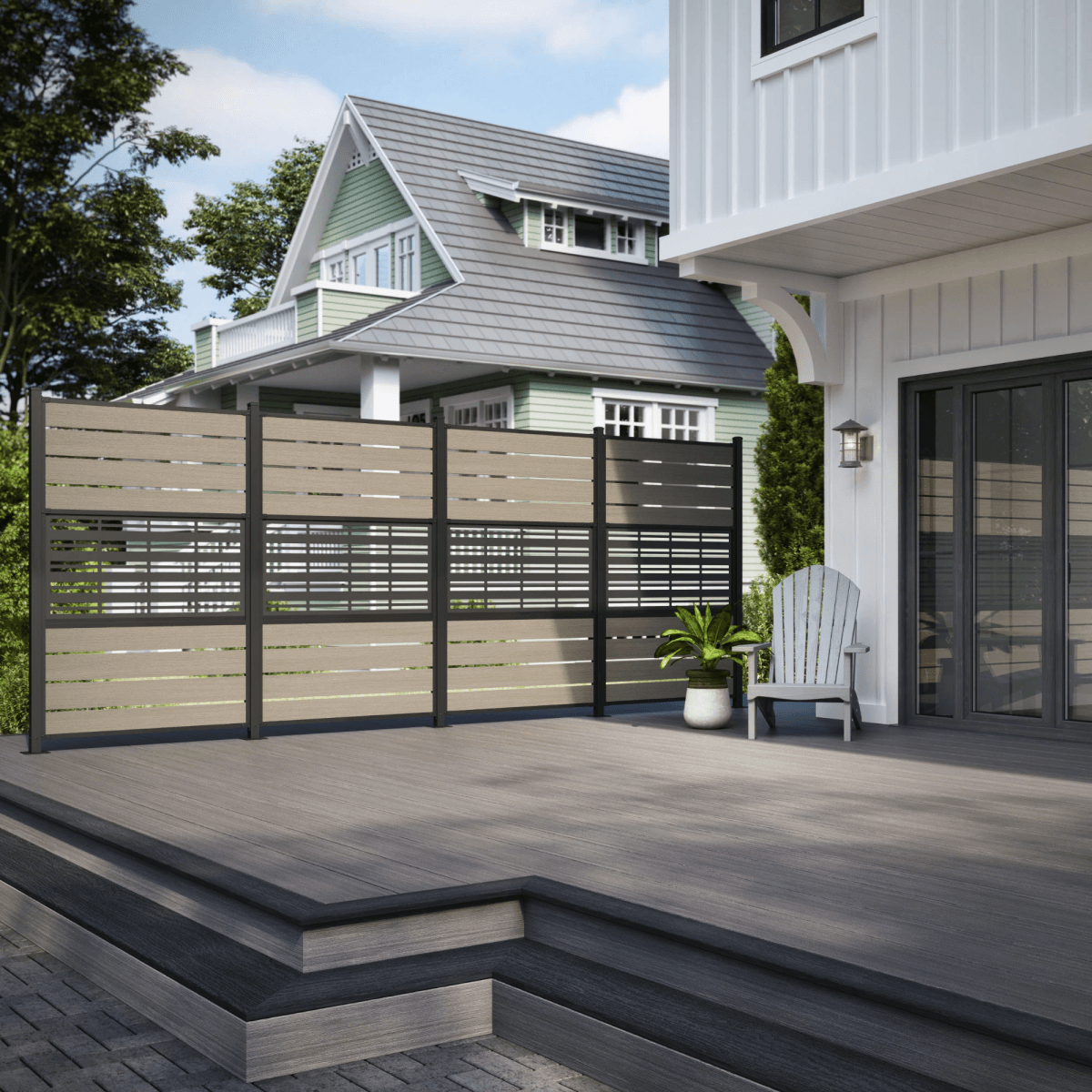
Outdoor panel wall panels crafted from WPC are specifically designed to withstand the elements while adding beauty to your exterior areas. These durable wood panels resist moisture and insects, making them ideal for patios, decks, or garden fences where traditional materials might falter over time. With a variety of textures and finishes available, you can create an inviting outdoor space that feels cohesive with your home’s design.
One significant advantage of using WPC for outdoor applications is its low maintenance requirements; unlike traditional wood that may require regular staining or sealing, these panel PVC walls simply need occasional cleaning with soap and water. This means more time enjoying your outdoor oasis rather than worrying about upkeep! If you’re on the hunt for robust yet stylish solutions for paneling outdoor walls, look no further than WPC options.
Decorative Wood Panels Variants
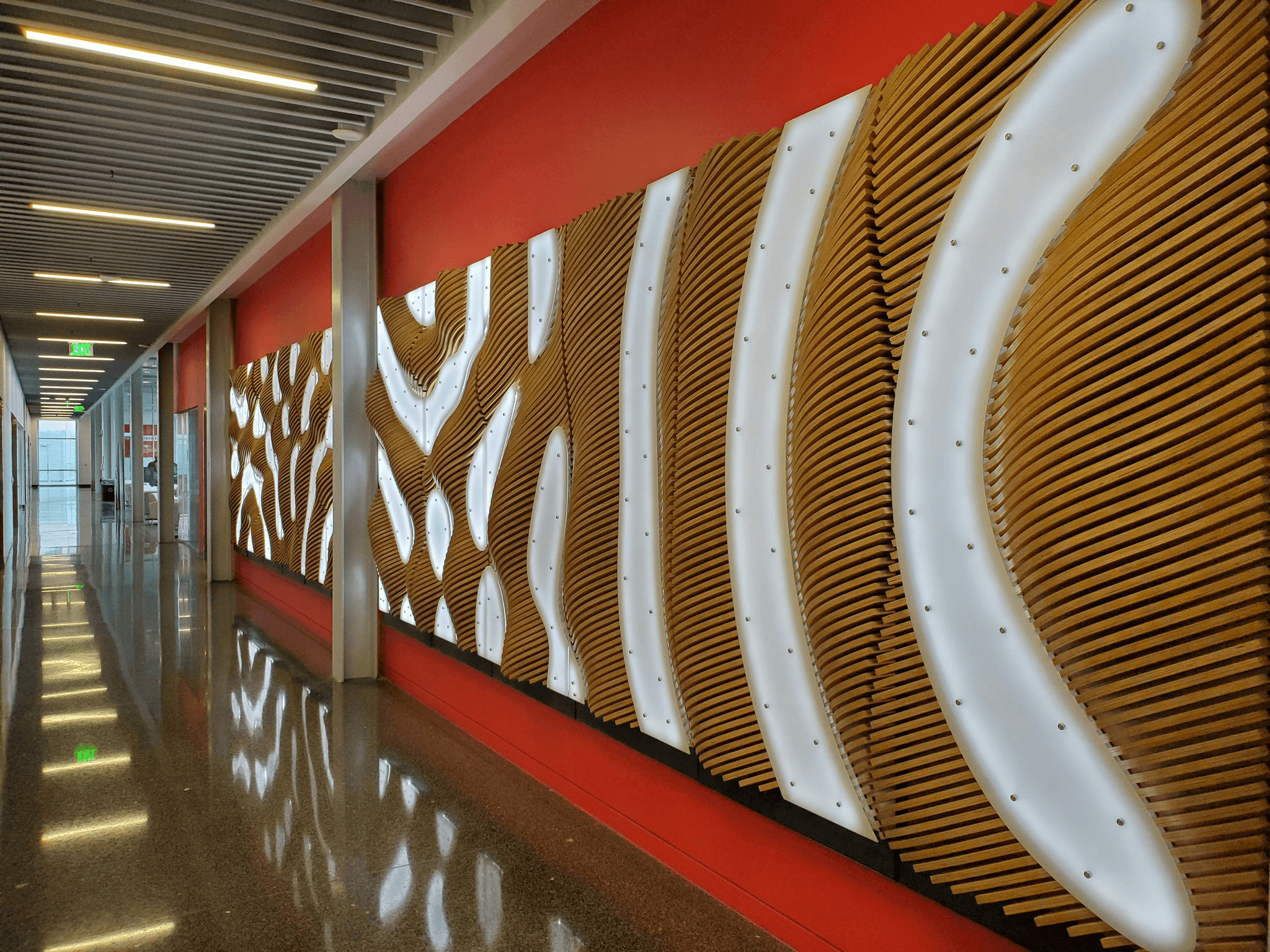
Decorative wood panels made from WPC combine aesthetics with functionality in an innovative way. Available in numerous designs—from sleek modern lines to intricate patterns—these variants allow homeowners and designers alike to express creativity without sacrificing durability or ease of use. The beauty of decorative wood panels lies in their ability to mimic natural wood while providing enhanced features like moisture resistance.
These decorative options are perfect for accent walls in living rooms or feature walls in commercial spaces where style meets practicality. When considering how best to enhance an area with stylish flair while ensuring longevity, choosing decorative panel wall panels is a smart move! With so many choices at hand, finding what suits your taste will be both enjoyable and rewarding.
Installation Process of WPC Panels
Installing WPC panels can be a rewarding endeavor that transforms your space, whether you're paneling the wall in your living room or enhancing an outdoor area. Understanding the installation process is crucial for achieving a professional finish with these versatile wood panels. Let’s dive into how to prepare, what tools you’ll need, and a step-by-step guide for installing panel wall panels.
Preparing the Surface
Before you start installing your WPC panels, it's essential to prepare the surface thoroughly. This means ensuring that your existing wall is clean, dry, and free from any debris or imperfections that could affect adhesion or alignment. If you're working with interior wall panels, check for moisture issues and make necessary repairs to create a solid foundation for your panel PVC wall installation.
In some cases, you may need to apply a primer or leveling compound if the surface is particularly uneven or damaged. For outdoor panel wall panels, ensure that the surface is weatherproofed and suitable for exterior applications to enhance durability. Proper preparation not only ensures a better fit but also extends the lifespan of your new wood panels.
Tools You’ll Need
Essential tools include a measuring tape for accurate dimensions, a level to ensure straight lines along your panel wall panels, and a saw capable of cutting through composite materials smoothly. Additionally, you'll want screws specifically designed for WPC installations as well as an electric drill for quick fastening.
Don't forget safety gear such as goggles and gloves; after all, we want you safe while you're beautifying your space! Lastly, consider having adhesive on hand if you're opting for glue-based installation methods alongside screws; this combination offers added stability for both interior wall panels and outdoor options.
Step-by-Step Installation Guide
Now let’s get into the nitty-gritty of how to install those stylish panel wall panels! Start by measuring and marking where each panel will go on your prepared surface—precision here will save you headaches later on. Next, cut your WPC boards according to these measurements using your saw; remember to wear protective gear!
Once cut, begin attaching each panel from one corner of the room (or area) moving horizontally or vertically depending on design preferences—ensure they are level as you go! Use screws at regular intervals along edges while applying adhesive if desired; this dual approach provides extra support especially in high-traffic areas like hallways or patios.
After securing all pieces in place, take a step back and admire how well you've transformed that space with stunning wood-look aesthetics without compromising durability! Finally, finish off any edges with trim pieces specifically designed for WPC installations to give it that polished look.
Maintenance Tips for WPC Panels

Maintaining your WPC panels is essential for ensuring their longevity and aesthetic appeal. These wood-plastic composite panels are designed to be durable and low-maintenance, but a little care goes a long way in preserving their beauty. Here are some tips to keep your panel wall panels looking fresh and vibrant.
Cleaning Your Panels Effectively
Cleaning your WPC panels is a breeze compared to traditional wood panels, which often require special treatments. For effective cleaning, simply use a mild detergent mixed with water and a soft cloth or sponge; this will remove dirt without damaging the panel PVC wall surface. Avoid harsh chemicals or abrasive tools, as they can scratch the finish of your interior wall panels.
It's also advisable to clean your panel wall panels regularly—every few months should do the trick—to prevent buildup of grime or mildew, especially in humid areas. If you notice stubborn stains on your wall panel, try using a soft-bristle brush for gentle scrubbing. Remember that keeping your WPC panels clean not only enhances their appearance but also extends their lifespan.
Inspecting for Damage
Check for any signs of wear and tear, such as cracks or discoloration; while these materials are resistant to moisture and insects, they aren’t completely impervious to damage over time. If you spot any issues during your inspection, addressing them promptly can prevent further deterioration.
Look closely at the seams where the panel wall meets other surfaces; these areas can sometimes be prone to issues if not properly sealed during installation. Additionally, pay attention to any areas that may experience heavy foot traffic or exposure to harsh weather conditions if you're using outdoor panel wall panels. Catching small problems early on can save you from costly repairs down the line.
Seasonal Care Guidelines
Caring for your WPC panels varies slightly with the seasons, so it’s wise to adjust maintenance routines accordingly. In spring and summer months, ensure that debris like leaves or dirt doesn’t accumulate around your interior wall panels; this can trap moisture and lead to mold growth over time. A quick sweep or rinse will keep things looking neat.
During fall, be vigilant about falling leaves that could cling onto surfaces—clean them off promptly! In winter months, while snow won’t typically harm WPC materials directly, it's best practice not to let ice build up on outdoor panel wall surfaces as it could lead to slip hazards or other safety concerns when walking around them. By following these seasonal care guidelines, you'll ensure that what is WPC panel remains in top shape year-round!
Cost Analysis of WPC Panels
When considering a renovation or new construction project, understanding the cost of materials is crucial. WPC panels, or wood-plastic composite panels, have become increasingly popular due to their unique blend of durability and aesthetic appeal. But how do they stack up against traditional wood panels in terms of price?
Comparing Prices with Traditional Panels
When comparing prices between WPC panel wall panels and traditional wood panels, it's essential to consider both initial costs and long-term expenses. Generally, while the upfront cost for WPC panels may be slightly higher than that of standard wood options, the longevity and low maintenance requirements can justify this investment over time. For instance, a panel PVC wall might seem pricier at first glance but will save you money on repairs and replacements down the road.
Additionally, traditional wood panels often require regular treatments against moisture and pests, which can add to their overall cost. In contrast, WPC panels come pre-treated for these issues—meaning fewer hidden costs lurking around the corner! So while you might pay more upfront for those sleek interior wall panels made from WPC materials, your wallet will thank you later.
Long-Term Value Considerations
Investing in WPC panel wall systems is not just about immediate expenses; it's also about long-term value considerations that can significantly impact your budget over time. One major advantage is their resistance to moisture and insects—features that traditional wood simply can't match without constant upkeep. This means fewer repairs or replacements are needed throughout the years.
Moreover, because these innovative wall panel solutions are designed to withstand harsh weather conditions without warping or fading, homeowners experience less hassle during seasonal changes. When you factor in these benefits alongside potential energy savings from better insulation properties offered by certain types of panel wall panels, it becomes clear that choosing WPC could lead to substantial savings in both maintenance costs and utility bills.
Where to Buy Quality Panels
Finding quality WPC panels doesn’t have to be a daunting task if you know where to look! Many home improvement stores now stock an impressive range of interior wall panels made from composite materials like PVC and wood fibers. Online retailers also offer an extensive selection at competitive prices—just make sure you're purchasing from reputable sources for guaranteed quality.
Local suppliers specializing in building materials often provide personalized service and expert advice on what is wpc panel best suited for your specific project needs. Don't hesitate to ask questions about warranties or product specifications when shopping around; after all, investing in durable panel wall systems should come with peace of mind!
Sustainable Features of WPC Panels
WPC panels are not only an innovative solution for construction and design but also a sustainable choice that benefits our planet. By combining wood fibers with PVC, these wall panels utilize recycled materials, reducing waste and promoting eco-friendly practices in the manufacturing process. Understanding what is WPC panel in terms of sustainability reveals a commitment to environmentally responsible building materials.
Eco-Friendly Manufacturing Processes
The manufacturing processes behind WPC panels are designed with sustainability in mind. Unlike traditional wood panels that often contribute to deforestation, the production of panel PVC wall options utilizes reclaimed wood fibers and recycled plastics, minimizing the demand for new raw materials. This eco-conscious approach not only helps preserve forests but also reduces energy consumption during production, making interior wall panels a greener alternative.
Moreover, many manufacturers employ advanced technologies that further enhance the eco-friendliness of their operations. By optimizing resource use and implementing efficient recycling methods, companies can produce high-quality wall panel products while significantly lowering their carbon footprint. The result? A durable panel wall panel that doesn’t compromise the health of our environment.
Benefits to the Environment
Using WPC panels comes with numerous environmental benefits that make them a preferred choice among builders and designers alike. For starters, these wood panels are resistant to moisture and insects, which means they last longer without needing chemical treatments or preservatives that can harm ecosystems. This natural durability leads to less waste over time as fewer replacements are needed compared to traditional wood options.
Additionally, WPC panels contribute positively by promoting sustainable land use practices. By choosing products made from recycled materials, consumers help decrease landfill waste and support industries focused on responsible sourcing. The cumulative effect is significant: every installation of panel wall panels reduces reliance on virgin timber while fostering a circular economy in construction.
Composite Decking Inc's Contribution
Composite Decking Inc has taken significant strides toward enhancing the sustainability of what is WPC panel technology through innovative practices and community engagement initiatives. Their commitment includes sourcing all materials responsibly while ensuring minimal environmental impact during production processes—a true testament to their dedication to eco-friendly solutions in construction.
Furthermore, Composite Decking Inc actively engages in programs aimed at reforestation and habitat restoration, reinforcing their role as stewards of the environment within the industry. By investing in these initiatives, they help balance out any ecological footprints associated with manufacturing their popular outdoor panel wall products—making it clear that sustainability goes hand-in-hand with quality.
In summary, when you choose WPC panels from reputable sources like Composite Decking Inc., you're not just selecting stylish interior wall panels; you're making a conscious decision for a healthier planet while enjoying all the benefits these innovative products have to offer.
Conclusion
In wrapping up our exploration of WPC panels, it’s clear that these innovative products offer a multitude of benefits for both residential and commercial applications. From their unique composition combining wood fibers and PVC to their impressive durability, WPC panels stand out as a superior choice compared to traditional wood panels. Whether you’re looking to panel the wall in your home or outfit an outdoor space, WPC panels provide versatility that meets diverse needs.
Key Takeaways on WPC Panel Benefits
So, what is WPC panel? Essentially, it’s a game-changer in the world of wall paneling. These panels are not only resistant to moisture and insects but also require minimal maintenance over time—making them perfect for busy lifestyles. Plus, with eco-friendly features woven into their manufacturing process, choosing WPC means making a responsible choice for the environment while enjoying stylish interior wall panels.
Exploring WPC Panel Versatility
The versatility of panel wall panels made from WPC is truly remarkable; they can be used in various settings—from sleek interior designs to robust outdoor applications. With options available for decorative wood panels or sturdy outdoor panel wall panels, there’s something for every taste and requirement. This adaptability makes them ideal for anyone looking to enhance their living spaces or create inviting atmospheres without sacrificing durability.
Future Trends in Wall Paneling
Looking ahead, the future trends in wall paneling suggest an increasing demand for sustainable building materials like WPC panels as homeowners become more environmentally conscious. Innovations in design and technology will likely lead to even more aesthetically pleasing options that maintain the practicality we’ve come to love about these products. As we continue exploring what is WPC panel technology can offer us today and tomorrow, expect exciting developments that will keep transforming how we think about wood panels.