
Introduction
Among various options, cedar decking stands out for its natural beauty and durability, captivating homeowners looking to enhance their outdoor spaces. With its rich hues and aromatic scent, cedar wood decking offers a unique charm that can elevate any backyard or patio.
The Allure of Cedar Decking
Cedar decking is not just about aesthetics; it's also a practical choice for outdoor spaces. This type of wood is naturally resistant to decay and insects, making it an ideal option for those seeking longevity in their deck boards. Plus, the innate warmth of cedar adds a touch of elegance that synthetic materials often struggle to replicate.
Comparing Cedar to Other Decking Materials
While cedar decking has its undeniable perks, it's essential to weigh it against other popular decking materials like composite and pressure-treated lumber. Each material has its own set of advantages and drawbacks that can influence your decision significantly. Understanding these differences will help you choose the best outdoor decking material suited for your lifestyle and budget.
What Makes a Great Outdoor Deck
A great outdoor deck combines functionality with style, serving as an inviting space for relaxation and entertainment alike. Key elements include high-quality deck boards that withstand weather conditions while maintaining visual appeal over time. Ultimately, whether you opt for cedar or another material decking option, ensuring durability and aesthetic value should be at the forefront of your decision-making process.
Understanding Cedar Decking
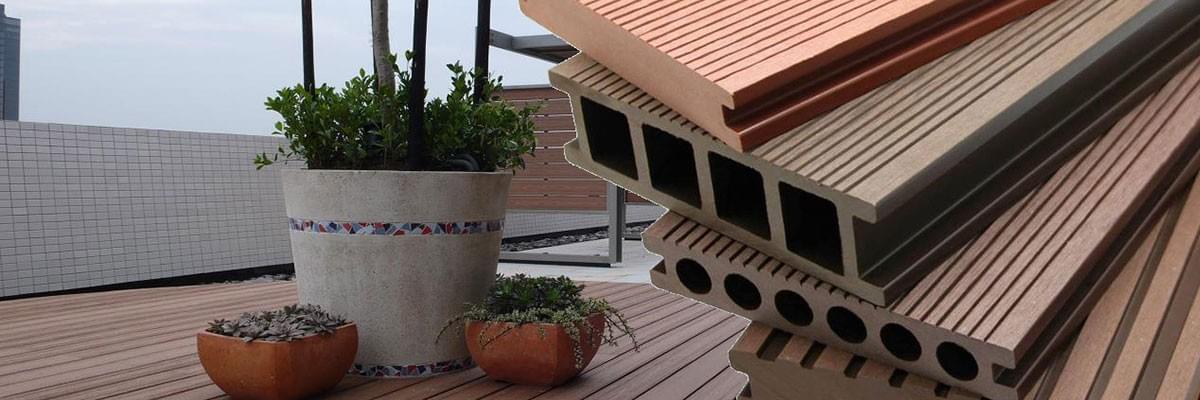
Known for its natural beauty and durability, cedar wood has been a popular choice for deck boards for generations. Let’s dive into the benefits and drawbacks of this alluring material, as well as some popular options available on the market.
Benefits of Cedar Wood
Cedar wood is celebrated not only for its stunning appearance but also for its impressive resilience against the elements. One of the primary benefits of cedar decking is its natural resistance to decay and insect damage, making it an ideal choice for outdoor wood decking that can withstand various weather conditions. Additionally, cedar possesses excellent thermal properties, meaning your deck boards will stay cooler underfoot during those scorching summer days.
Another appealing aspect of cedar is its lightweight nature, which simplifies handling and installation compared to heavier materials like composite or pressure-treated lumber. The rich aroma of cedar adds an extra layer of charm to your outdoor space—who wouldn’t want their deck to smell like a cozy cabin in the woods? Plus, with proper maintenance, cedar can last many years while retaining its beauty, making it a wise investment in your home's outdoor aesthetic.
Drawbacks to Consider
While there are numerous advantages to using cedar decking, it's essential to consider some potential drawbacks before making your final decision on decking material. One notable issue is that cedar can be susceptible to warping and splitting if not properly maintained; regular sealing or staining is necessary to protect against moisture damage over time. Additionally, while it's naturally resistant to insects and decay, untreated cedar may still be vulnerable if exposed directly to harsh weather conditions without any protective finish.
Another point worth mentioning is that quality cedar wood can sometimes come with a higher price tag compared to other options like pressure-treated lumber or composite materials. If you’re working within a strict budget for your outdoor decking project, this could be a significant factor in your decision-making process. Lastly, finding ethically sourced or sustainably harvested cedar can be challenging; thus ensuring you choose responsibly sourced products requires some research.
Popular Cedar Deck Board Options
When selecting the right type of deck boards for your project, several popular options exist within the realm of cedar decking that cater to different styles and preferences. Western Red Cedar is often favored due to its beautiful reddish hue and straight grain patterns; it’s perfect if you're aiming for that classic look in your backyard oasis. Another option is Eastern White Cedar which tends toward lighter shades but still offers excellent durability—ideal if you prefer a more understated aesthetic.
For those looking at more sustainable choices within the realm of outdoor wood decking, reclaimed or salvaged cedar can provide an eco-friendly alternative while adding unique character through weathered textures and colors. You might also explore pre-stained or pre-finished boards that come ready-to-install right out of the box—perfect for anyone who wants less hassle during setup! With so many exciting options available in the world of outdoor decking boards made from cedar wood, you're sure to find something that fits both your style and needs perfectly.
A Look at Composite Decking
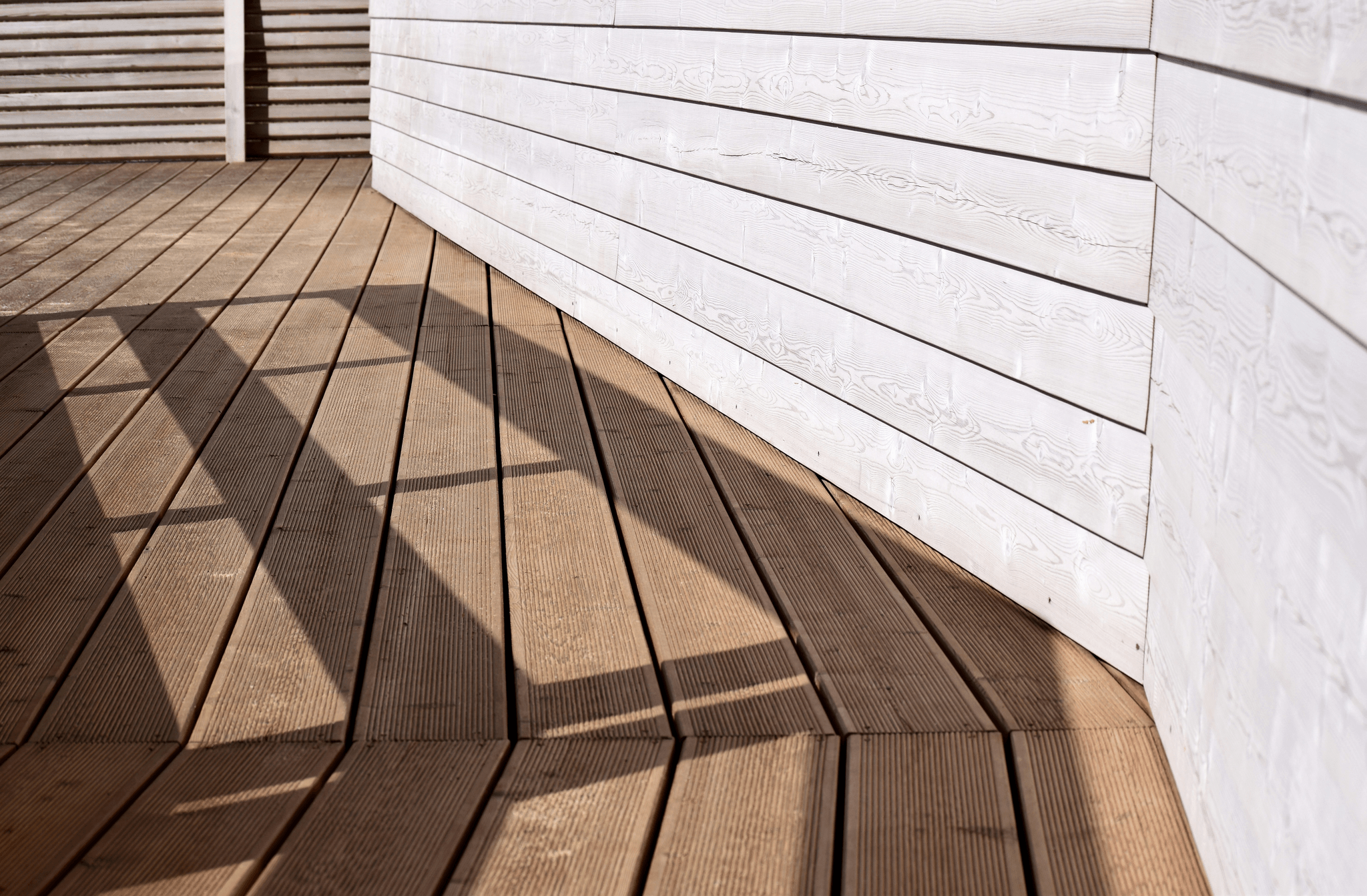
Made from a blend of wood fibers and recycled plastic, composite deck boards offer a unique alternative to traditional cedar decking. This section will explore the advantages and disadvantages of composite materials, along with what Composite Decking Inc has to offer.
Advantages of Composite Materials
One of the standout benefits of composite materials is their remarkable resistance to weather-related wear and tear. Unlike cedar decking, which can warp or fade over time due to sun exposure and moisture, composite deck boards maintain their color and structural integrity for years with minimal upkeep. Additionally, they are resistant to pests like termites, making them an excellent choice for those concerned about longevity in outdoor wood decking.
Another advantage is the variety of styles and colors available in composite decking options. Homeowners can choose from an extensive range of finishes that mimic the appearance of natural wood without the associated maintenance headaches. This versatility allows you to achieve your desired aesthetic without sacrificing quality or performance in your outdoor decking material.
Moreover, many composite materials are made from recycled products, making them an environmentally friendly option compared to traditional lumber choices like cedar or pressure-treated wood. This sustainability factor appeals not only to eco-conscious consumers but also adds a modern twist to your outdoor space without compromising on style.
Disadvantages to Consider
While there are many advantages to choosing composite deck boards, there are also some drawbacks worth considering before making your decision on outdoor decking materials. One significant concern is that although they are designed for durability, some lower-quality composites can scratch or dent more easily than cedar decking if subjected to heavy use or sharp objects. Therefore, it's essential to choose high-quality products that stand up well against wear.
Another potential downside is that composite materials often come with a higher initial price tag compared to traditional cedar wood decking options. While this investment may pay off in terms of reduced maintenance costs over time, budget-conscious homeowners might find themselves hesitating at checkout when comparing prices between various types of outdoor decking boards.
Lastly, despite advancements in technology that have improved heat resistance in some composites, they can still become hot underfoot during peak summer temperatures—a concern if you plan on walking barefoot across your new deck! So while you're enjoying those sunny days outside on your beautiful new material decking surface, just keep an eye out for any potential heat-related discomfort.
Composite Decking Inc's Offerings
Composite Decking Inc provides an impressive selection of high-quality composite products tailored specifically for outdoor use. Their range includes various styles and colors designed not only for aesthetics but also built with advanced technology aimed at enhancing durability against harsh weather conditions—perfect for anyone seeking reliable outdoor wood decking solutions!
Their offerings include capped composites that feature protective layers designed explicitly to resist stains and fading more effectively than standard options on the market today—making them ideal candidates if you're looking for long-lasting beauty without constant upkeep associated with cedar decking alternatives.
In addition, Composite Decking Inc emphasizes sustainability by utilizing recycled materials in their manufacturing processes—allowing you peace of mind knowing your choice contributes positively towards reducing waste while creating stunning spaces outdoors! So whether you're building a cozy backyard retreat or entertaining guests poolside this summer season—Composite Decking Inc has got you covered with stylish solutions crafted from innovative composites tailored just right for all your material needs!
Exploring Pressure-Treated Lumber

When it comes to outdoor decking material, pressure-treated lumber often takes center stage. This type of wood is infused with preservatives to enhance its durability, making it a popular choice for homeowners looking for robust and long-lasting deck boards. While cedar decking has its own charm, pressure-treated options offer their unique set of advantages that can’t be overlooked.
Advantages of Pressure-Treated Deck Boards
One of the most significant advantages of pressure-treated deck boards is their resistance to rot and insect damage. The chemical treatment helps protect the wood from moisture and pests, making it an ideal option for outdoor wood decking that faces the elements year-round. Additionally, pressure-treated lumber tends to be more affordable than cedar decking, providing a budget-friendly alternative without compromising on quality.
Another perk is the ease of maintenance associated with pressure-treated materials. Unlike some other outdoor decking materials that require regular sealing or staining, these boards can often be left untreated for years while still standing strong against weather conditions. This low-maintenance aspect makes them attractive for busy homeowners who want beautiful outdoor spaces without constant upkeep.
Potential Issues with Longevity
While pressure-treated lumber has its benefits, there are potential issues regarding longevity that should be considered before diving into your next project. Over time, even treated wood can warp or crack if not properly cared for or if exposed to extreme weather conditions consistently. This means that while you may save upfront costs on your deck boards, you might find yourself needing repairs or replacements sooner than expected.
Moreover, some treatments used in pressure-treated lumber have raised concerns about environmental impact and safety over the years. Although many manufacturers have shifted toward safer chemicals in recent years, it's still essential to research which products are being used in your chosen material decking to ensure peace of mind when enjoying your outdoor space.
Popular Uses in Outdoor Decking
Pressure-treated lumber shines brightly in various applications beyond just standard deck boards; it's often utilized for framing structures like pergolas and railings as well. Its strength makes it suitable not only for decks but also for building stairs and benches within your outdoor living area—an excellent way to create a cohesive design throughout your space using one reliable material type.
Additionally, many homeowners opt for pressure-treated wood as a base layer under more aesthetically pleasing materials like composite or cedar decking; this combination allows them to take advantage of both durability and visual appeal without breaking the bank on higher-end options alone.
The Case for PVC Decking
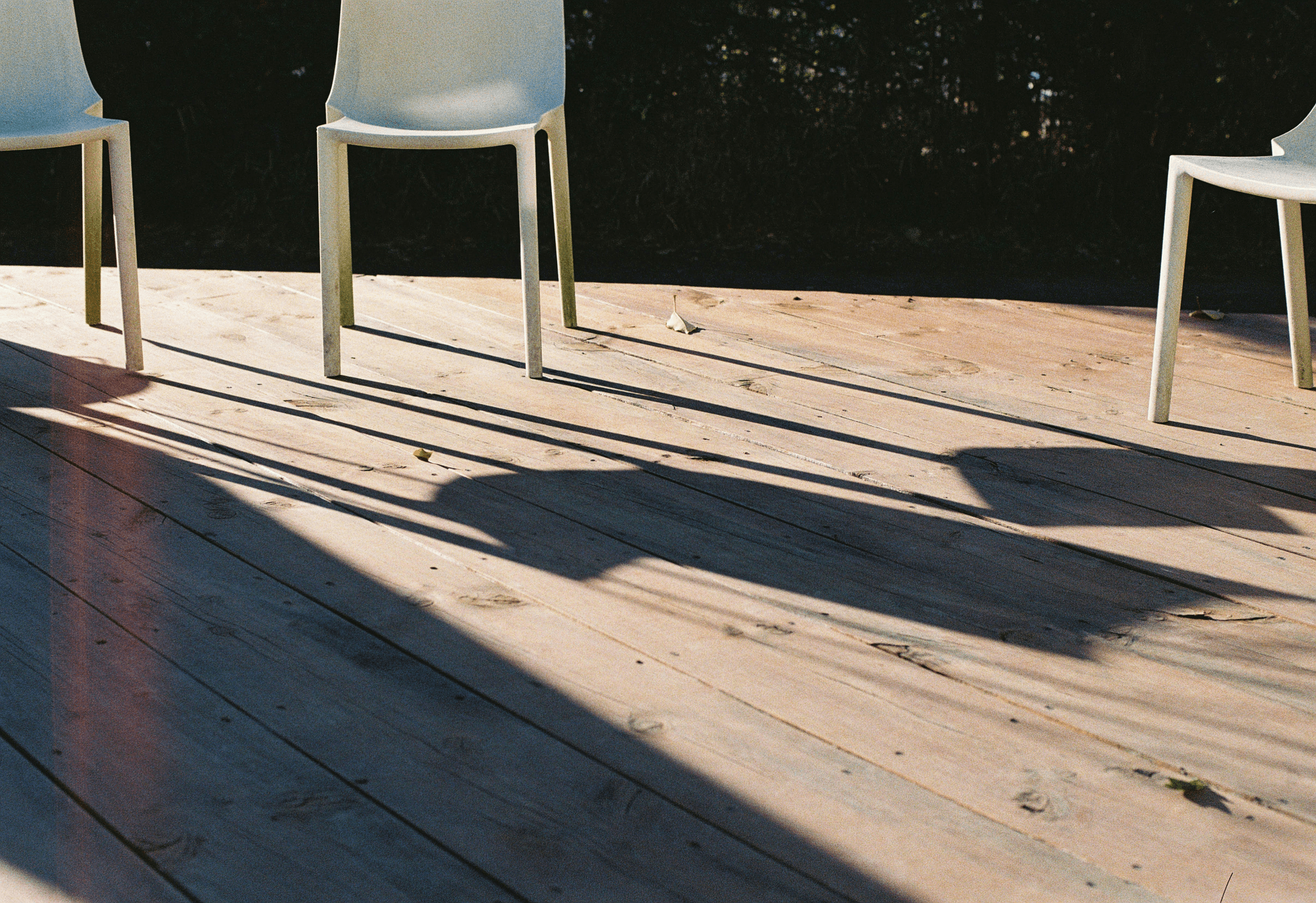
Unlike traditional wood options like cedar decking, PVC offers a synthetic alternative that's designed to withstand the elements without the typical wear and tear associated with outdoor wood decking. This makes it an appealing choice for homeowners looking for durability and low maintenance in their deck boards.
Benefits of PVC as a Decking Material
One of the primary benefits of PVC as a decking material is its incredible resistance to moisture, mold, and mildew. This means that unlike cedar decking or other outdoor wood decking options, you won’t have to worry about rot or decay over time—perfect for those rainy days! Additionally, PVC is available in various colors and textures, allowing homeowners to customize their outdoor space without sacrificing style.
Another significant advantage is its low maintenance nature; no need for regular staining or sealing like you would with cedar deck boards. Simply wash it down occasionally, and your deck will look good as new! Plus, being made from recycled materials makes PVC an environmentally friendly option when compared to traditional lumber choices.
Downsides of PVC Decking
However, not all that glitters is gold when it comes to PVC decking. One downside is that while it's resistant to moisture, it can become hot underfoot during sunny days—definitely something to consider if you live in a particularly warm climate! Moreover, some people find the look of plastic less appealing than natural materials like cedar wood decking; aesthetics can be subjective!
Another concern is that although durable against many elements, some lower-quality PVC products may fade over time or become brittle due to prolonged exposure to UV rays. So while you might save on maintenance costs initially with this outdoor decking material, long-term performance can vary significantly based on quality.
Comparing Pricing with Cedar
When comparing pricing between cedar decking and PVC options, it's essential first to consider the upfront costs versus long-term value. Generally speaking, high-quality cedar deck boards can be more expensive initially than standard-grade PVC options; however, they offer natural beauty that many find hard to replicate with synthetic materials.
On the flip side, while cheaper varieties of PVC may seem budget-friendly at first glance—especially when factoring in lower maintenance costs—you might end up spending more if you opt for higher-end brands designed for better durability and appearance over time. Ultimately the choice depends on your priorities: do you prefer investing in classic charm with cedar or opting for convenience with modern materials?
Choosing the Right Decking Material
The right outdoor decking material should not only complement your home but also withstand the elements while providing you with years of enjoyment. So, how do you sift through the options? Let’s break down some key factors to consider when choosing your ideal deck boards.
Factors to Consider for Your Project
First off, think about how you plan to use your outdoor space. Will it be a family gathering spot, a serene retreat, or perhaps a place for summer barbecues? Knowing how you intend to use your deck will help determine the best type of outdoor wood decking for your needs. Next, consider local climate conditions; cedar decking might shine in milder areas but could struggle under intense sun or heavy rain without proper maintenance.
Another vital factor is maintenance requirements. Cedar decking offers natural beauty but does require regular upkeep to maintain its luster and longevity. In contrast, composite materials boast low maintenance yet may lack that authentic wood feel that many homeowners crave in their outdoor decking boards.
Environmental Impact of Each Option
Cedar decking is often sourced sustainably and naturally resists decay and insects without chemical treatments, making it an eco-friendly choice for conscientious homeowners. On the flip side, composite materials are made from recycled plastics and wood fibers but may involve energy-intensive manufacturing processes.
Pressure-treated lumber can be effective for durability but often involves chemicals that raise concerns about environmental impact over time. PVC decking shines in terms of longevity and recyclability; however, its production process can be resource-heavy too. Ultimately, if sustainability is a priority for you as an outdoor enthusiast, weigh these factors carefully against your options.
Cost Analysis: Cedar and Alternatives
Now let’s talk dollars and cents! Cedar decking typically falls into a mid-range price point compared to other materials like pressure-treated lumber or PVC options that can vary widely in cost based on quality and brand reputation. When considering long-term investment value versus upfront costs, remember that cheaper alternatives might require more frequent replacements or repairs down the line.
Composite deck boards usually present a higher initial cost but pay off with reduced maintenance expenses over their lifespan—so factor that into your budget equation! Additionally, don’t forget about installation costs; some materials may require professional help while others are DIY-friendly if you're feeling handy with tools.
Conclusion
This versatile material not only enhances the aesthetic appeal of your home but also offers a warm, inviting atmosphere for outdoor gatherings. Choosing cedar deck boards means investing in a product that can withstand the elements while providing an elegant touch to your space.
Cedar Decking's Unique Appeal
Cedar decking is celebrated for its rich color variations and aromatic scent, making it a favorite among homeowners seeking an authentic wood experience. The natural oils in cedar provide resistance against rot and insects, ensuring that your outdoor wood decking remains beautiful for years to come. Additionally, cedar's lightweight nature makes it easy to work with during installation, allowing homeowners to enjoy their new deck sooner rather than later.
When to Choose Alternative Materials
While cedar decking has its unique charm, there are situations where alternative materials might be more suitable. For instance, if you're looking for low-maintenance options or have specific budget constraints, composite or PVC decking could be better choices. Understanding the pros and cons of each material will help you make an informed decision based on your lifestyle needs and design preferences.
Making the Right Choice for Your Home
Ultimately, choosing the right decking material hinges on several factors: aesthetics, functionality, maintenance requirements, and cost considerations all play critical roles in your decision-making process. If you value the beauty of natural wood and are willing to invest in proper care over time, cedar deck boards might be perfect for you. However, if you're after durability with minimal upkeep or a tighter budget, exploring other outdoor decking materials may lead you to discover alternatives that align better with your vision.