
Introduction
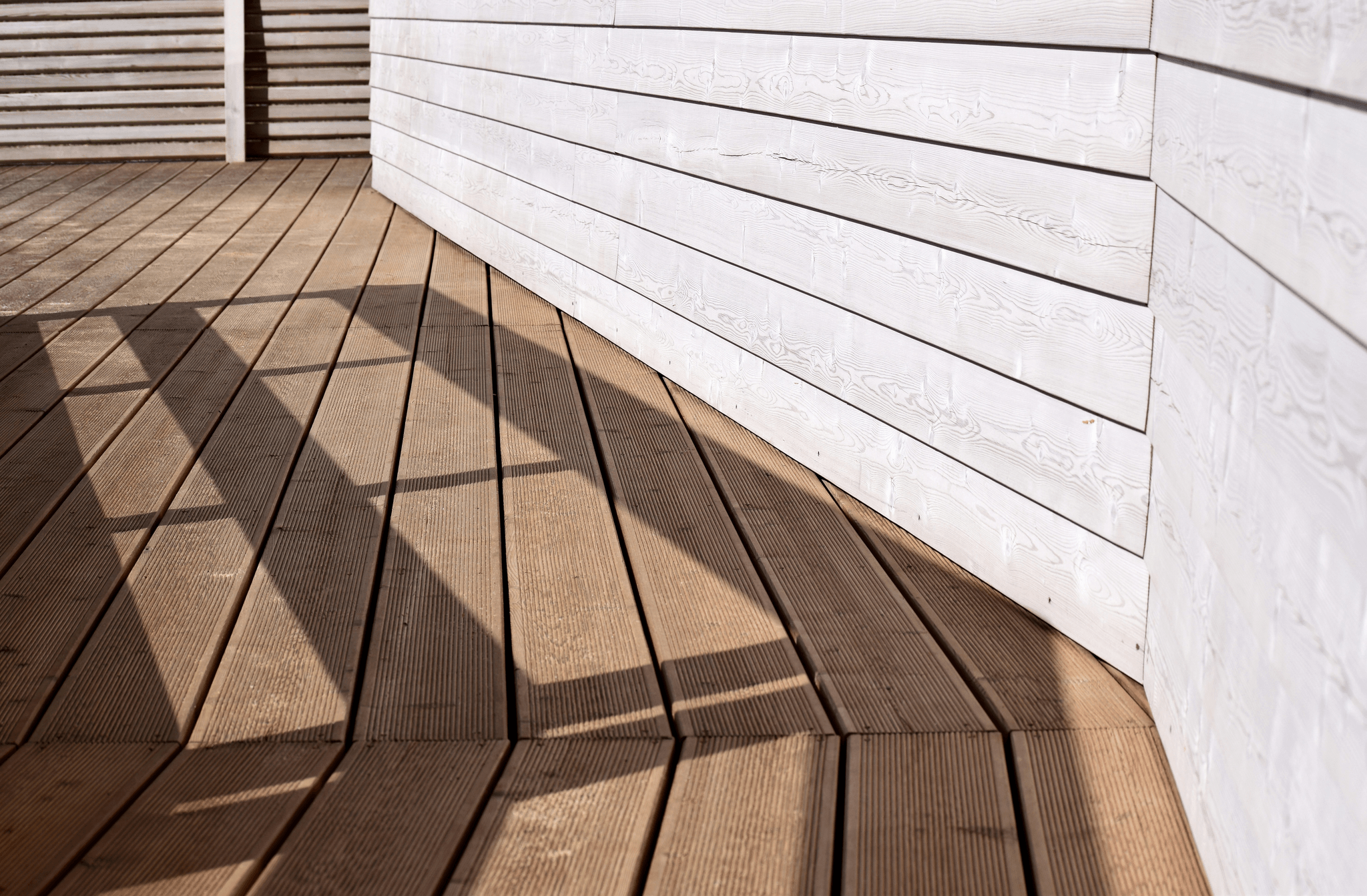
Understanding Decking Costs
Decking costs can feel like a puzzle with many pieces—each influencing the final picture you see on your bill. Factors such as material quality, installation method, and even seasonal trends can all contribute to the overall expense associated with outdoor decking projects. By breaking down these components, you'll gain clarity on how to budget effectively for replacing deck boards or building a new deck from scratch.
What Determines Deck Board Prices
The price tag attached to deck boards isn't just pulled from thin air; it's influenced by various elements that merit consideration. Materials play a significant role—composite wood decking cost often reflects its longevity and low maintenance compared to traditional wood options. Additionally, market demand, availability of materials, and local economic conditions can all sway the final cost of decking boards.
Types of Decking Materials
Diving into the world of decking materials reveals an array of choices tailored for different tastes and budgets. Wood decking boards offer timeless charm but may require more upkeep over time compared to their composite counterparts. On the other hand, composite decking material boasts durability and resistance to weathering—an appealing option for those looking at long-term investments in their outdoor spaces without constantly worrying about replacing deck boards due to wear and tear.
Materials Matter

The cost of decking boards varies widely depending on whether you opt for traditional wood or modern composite options. Understanding these differences is crucial for making an informed decision that balances aesthetics, durability, and price.
Comparing Wood Decking Boards and Composite
Wood decking boards have long been the go-to choice for homeowners seeking a classic look. However, they come with their own set of challenges, including susceptibility to rot and the need for regular maintenance. On the other hand, composite decking material offers a more durable alternative that resists fading and warping while requiring much less upkeep—ideal if you’d rather spend time enjoying your deck than maintaining it.
While wood may initially seem cheaper in terms of upfront costs, when you factor in long-term maintenance and replacement costs (like replacing deck boards), composite wood decking often proves to be a more economical choice over time. Additionally, many people appreciate the environmentally friendly aspect of composite materials, which are often made from recycled products. Ultimately, choosing between wood and composite requires weighing immediate costs against future expenses.
Key Costs of Composite Decking Material
The cost of composite decking material can vary based on brand quality and design features such as texture or color options. Typically priced higher than basic wood options due to its manufacturing process, this investment pays off by providing longevity and reduced maintenance needs. Homeowners should also consider potential savings on staining or sealing that would be necessary with traditional wood decks.
Moreover, while initial costs might raise eyebrows—especially when comparing them directly to cheaper wood decking boards—the durability makes them a wise long-term investment. When calculating the overall budget for your outdoor decking project, include these factors to get a clearer picture of what you're really spending versus what you're saving in maintenance over time. In essence, while upfront costs may be higher for composite materials, they could lead to fewer headaches down the road.
Advantages of Alternative Decking Options
Beyond traditional wood and popular composites lie alternative decking materials that can offer unique benefits at various price points. For instance, PVC (polyvinyl chloride) decks are gaining traction due to their resistance to moisture damage—a lifesaver in wetter climates—and they often come with warranties that guarantee performance over decades. Additionally, aluminum decks present an ultra-durable option that won’t warp or splinter but does require a heftier initial investment compared to both wood and composites.
Choosing alternative materials can also open up possibilities for creativity in design; some innovative products mimic natural textures without sacrificing performance or safety features like slip resistance—making them perfect for family-friendly spaces! As you explore different options for your outdoor decking project, keep in mind how each choice aligns with your budgetary constraints as well as aesthetic preferences while considering long-term viability.
Quality Over Quantity
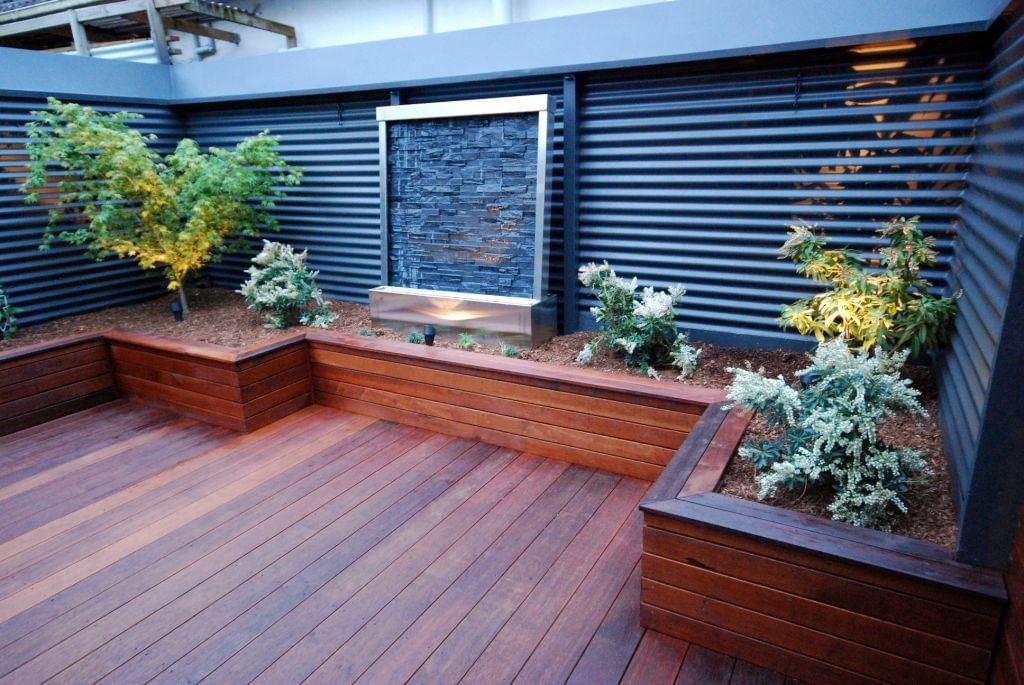
Importance of Decking Board Quality
Quality matters significantly when selecting deck boards, as it directly impacts both performance and appearance. High-quality wood decking boards are treated to resist warping, splintering, and decay, which can save you from frequent repairs or replacements down the line. In contrast, lower-quality options may look appealing initially but often lead to higher long-term costs due to their reduced lifespan.
Long-Term Costs of Cheap Deck Boards
While cheap deck boards may seem like a bargain upfront, they can lead to significant expenses over time. The cost of decking boards that are poorly made often includes hidden expenses such as frequent maintenance or even replacing deck boards sooner than expected. Opting for durable materials like composite decking material might have a higher initial cost but pays off in terms of reduced maintenance and replacement needs.
Evaluating Sustainability in Outdoor Decking
Sustainability is becoming increasingly important in choosing outdoor decking materials. Many homeowners are now looking for eco-friendly options that minimize environmental impact while still providing quality performance; composite wood decking is a prime example as it often contains recycled materials. By evaluating sustainability alongside the cost of decking boards, you can make informed choices that benefit both your wallet and the planet.
Installation Factors
When it comes to the cost of decking boards, installation plays a crucial role in determining the overall expense of your outdoor decking project. Whether you choose to tackle the installation yourself or hire professionals can significantly affect your budget. Understanding these factors will help you make informed decisions that align with your financial goals.
DIY vs. Professional Installation Costs
Going the DIY route can seem like a tempting way to save money on your deck boards, but beware: it may not always be as cost-effective as it appears. While you may save on labor costs associated with professional installation, you'll need to factor in tools, materials, and potential mistakes that could arise from inexperience. On the other hand, hiring professionals ensures quality workmanship and often faster completion times; however, this comes at a premium reflected in composite wood decking costs or even wood decking boards prices.
Complexity of Deck Design Impact on Price
The complexity of your deck design can greatly influence the final price tag for both materials and labor. Intricate designs may require more expensive decking material and specialized skills for installation, which can drive up costs significantly compared to a simple rectangular layout. If you're considering replacing deck boards in an elaborate pattern or structure, be prepared for higher expenses due to increased labor time and specialized cuts needed for your composite decking material.
Hidden Costs in Deck Board Replacement
When planning a deck project, many homeowners overlook hidden costs associated with replacing deck boards or installing new ones altogether. For example, unforeseen issues like rotting support beams or inadequate drainage can lead to additional expenses that weren't initially considered—think of them as surprises lurking beneath the surface! Additionally, if you're opting for premium materials such as composite wood decking, any necessary adjustments during replacement could further inflate the overall cost of decking boards beyond what was originally budgeted.
Market Trends
In the ever-evolving world of outdoor decking, market trends play a significant role in shaping the cost of decking boards. From seasonal fluctuations to supply chain dynamics, various factors can impact how much you’ll pay for your chosen decking material. Understanding these trends can help you make informed decisions when planning your deck project.
Seasonal Pricing Variations for Decking
Just like fashion, the cost of decking boards often changes with the seasons. Spring and summer typically see a surge in demand as homeowners rush to enhance their outdoor spaces, leading to higher prices for both wood decking boards and composite decking material. Conversely, fall and winter might offer more competitive pricing as suppliers look to clear inventory, making it an opportune time to replace deck boards at a lower cost.
Additionally, certain holidays or events may influence pricing patterns. For instance, sales during Memorial Day or Independence Day can provide great deals on popular decking materials. Staying alert during these peak times could save you some cash while ensuring that your outdoor decking remains stylish and functional.
The Impact of Supply Chain on Costs
The global supply chain has a profound effect on the cost of decking boards and related materials. Disruptions caused by natural disasters, pandemics, or transportation issues can create shortages that drive prices up significantly. For example, if there’s a delay in shipping composite wood decking from overseas manufacturers, you might find yourself paying more than anticipated when it's finally available.
Moreover, local sourcing versus importing also plays a role in pricing variability. Decking material sourced locally may be more stable in price compared to imported options that fluctuate based on international market conditions. Understanding these supply chain dynamics is crucial for budgeting your deck project effectively.
Popular Decking Trends Affecting Prices
As trends shift towards sustainability and innovation in outdoor living spaces, they inevitably impact the costs associated with different types of decking materials. For instance, eco-friendly options like recycled composite decking are gaining traction among environmentally conscious consumers but may come with a higher upfront cost compared to traditional wood decking boards. However, considering long-term durability and maintenance savings can make these choices financially wise over time.
Furthermore, design trends such as multi-level decks or integrated lighting features can increase installation complexity and overall expenses but also enhance the aesthetic appeal of your space significantly. Staying abreast of popular styles not only ensures that your deck looks great but also helps you anticipate potential costs associated with trendy features or materials that could affect composite wood decking cost down the line.
Regional Variations
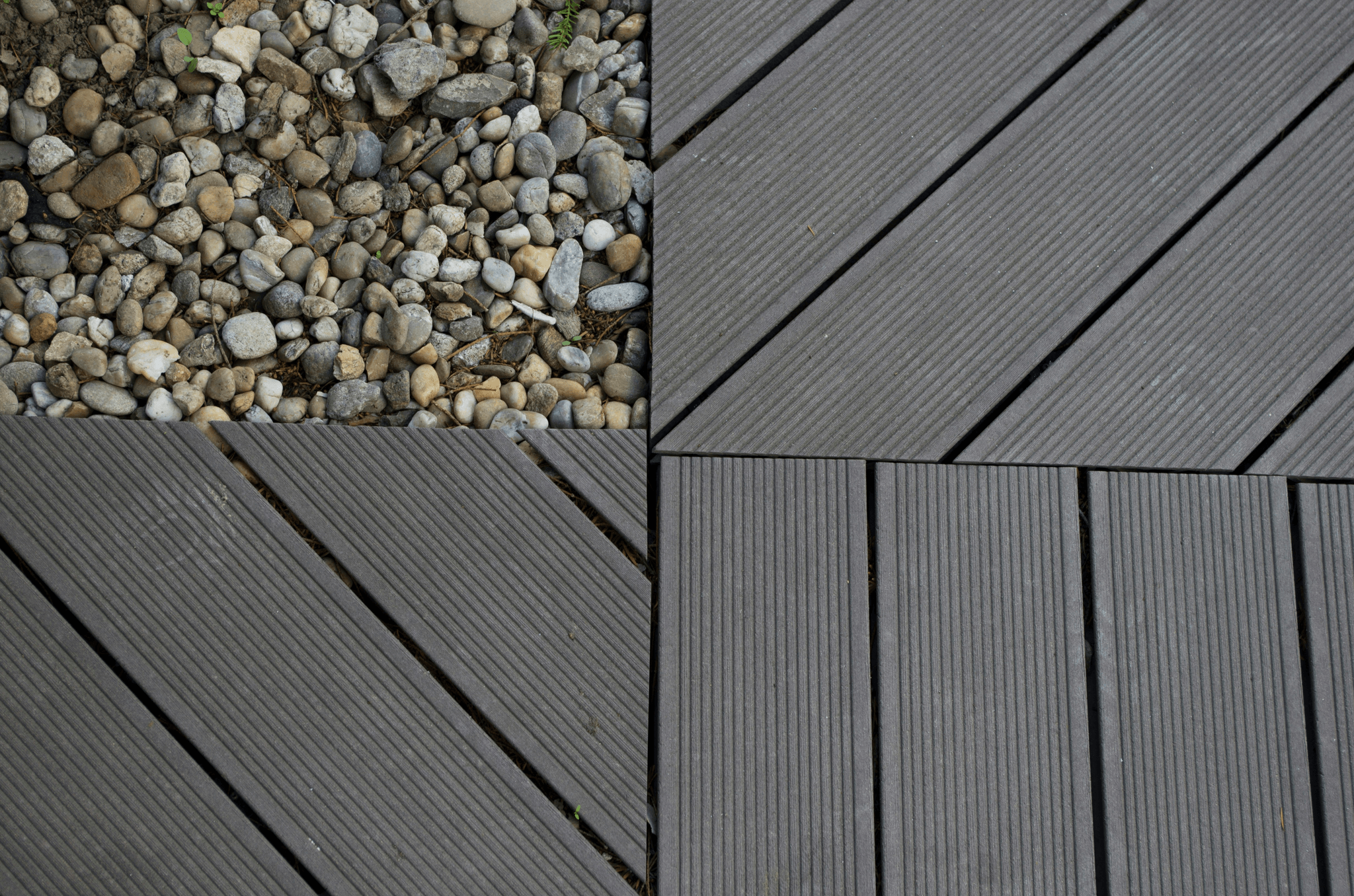
When it comes to the cost of decking boards, location plays a pivotal role. Different regions have varying availability of materials, which can significantly influence the price of deck boards. For instance, areas with abundant forests may see lower prices for wood decking boards compared to urban settings where these resources are scarce.
How Location Influences Decking Prices
The cost of decking boards is often tied to local supply and demand dynamics. In coastal regions, for example, composite decking material might be more popular due to its resistance to moisture and salt air, potentially driving up prices compared to inland areas where wood decking boards are favored. Additionally, transportation costs can add a layer of expense; if your local suppliers are far from manufacturing hubs, you may find yourself paying a premium for your outdoor decking materials.
Comparing Costs Across Different Markets
Comparing costs across different markets reveals fascinating insights into how regional preferences shape pricing strategies for deck boards. In metropolitan areas with higher living costs, homeowners may lean towards composite wood decking due to its durability and lower maintenance needs—this could lead to an increase in the composite decking material's price relative to traditional wood options. Conversely, in rural markets where labor is less expensive and natural resources are plentiful, you might discover more affordable options for replacing deck boards with high-quality wood alternatives.
Local Regulations and Their Financial Impact
Local regulations can also significantly affect the cost of decking projects by imposing specific standards that must be met when selecting materials or designs. For instance, some municipalities may require sustainable practices or eco-friendly materials like composite wood decking—this could elevate initial costs but ultimately save money in maintenance over time. Understanding these regulations not only helps you budget appropriately but also ensures that your outdoor decking project complies with local laws while maximizing value.
Conclusion
In wrapping up our exploration of decking costs, it’s clear that several key factors influence the price of deck boards. From the choice between wood decking boards and composite options to installation complexities, each decision plays a pivotal role in determining your overall budget. Understanding these elements will empower you to make informed choices for your outdoor decking project.
Summarizing Key Price Influencers
The cost of decking boards is primarily influenced by the type of material chosen, whether it's traditional wood or more modern composite decking material. Quality also matters; investing in higher-quality deck boards can save you money in the long run by reducing replacement needs and maintenance costs. Additionally, regional variations and market trends can significantly affect pricing, so being aware of these factors is essential for budgeting accurately.
Tips for Budgeting Your Deck Project
When planning your budget for deck boards, start by researching the average costs associated with different materials like wood and composite wood decking cost. Don’t forget to factor in installation expenses—whether you’re going DIY or hiring professionals—as these can vary widely based on design complexity and local labor rates. Lastly, always set aside a contingency fund for unexpected expenses that may arise when replacing deck boards or addressing hidden issues during installation.
Making Informed Choices with Composite Decking Inc
Choosing Composite Decking Inc means opting for durability and low maintenance without sacrificing aesthetics. Their range of composite decking materials offers a variety of styles that mimic natural wood while providing superior longevity against weathering and wear. By carefully considering the cost of decking boards alongside quality and sustainability, you can ensure that your outdoor decking investment pays off beautifully over time.