
Introduction

Why Choosing the Right Decking Matters
Selecting the appropriate decking material impacts not only the look of your home but also its long-term value and maintenance requirements. Whether you opt for traditional wood decking or innovative composite lumber decking, each choice carries its own set of advantages and challenges. A well-informed decision will ensure you enjoy your deck for years while minimizing upkeep costs.
The Rise of Composite Decking
In recent years, composite decking has surged in popularity among homeowners seeking a low-maintenance alternative to classic wood options. Made from a blend of recycled materials and wood fibers, composite deck boards offer durability without sacrificing style. This modern solution has become synonymous with quality and sustainability, appealing to those who want the best decking material available today.
Exploring Wood versus Composite Options
The debate between wood and composite options often boils down to personal preference and lifestyle needs. Wood decking boasts timeless charm but requires regular maintenance to keep it looking pristine; on the other hand, composite wood decking boards are designed for longevity with minimal care required. By exploring both choices thoroughly, you can make an informed decision that aligns perfectly with your outdoor vision.
Understanding Decking Materials
Overview of Wood Decking
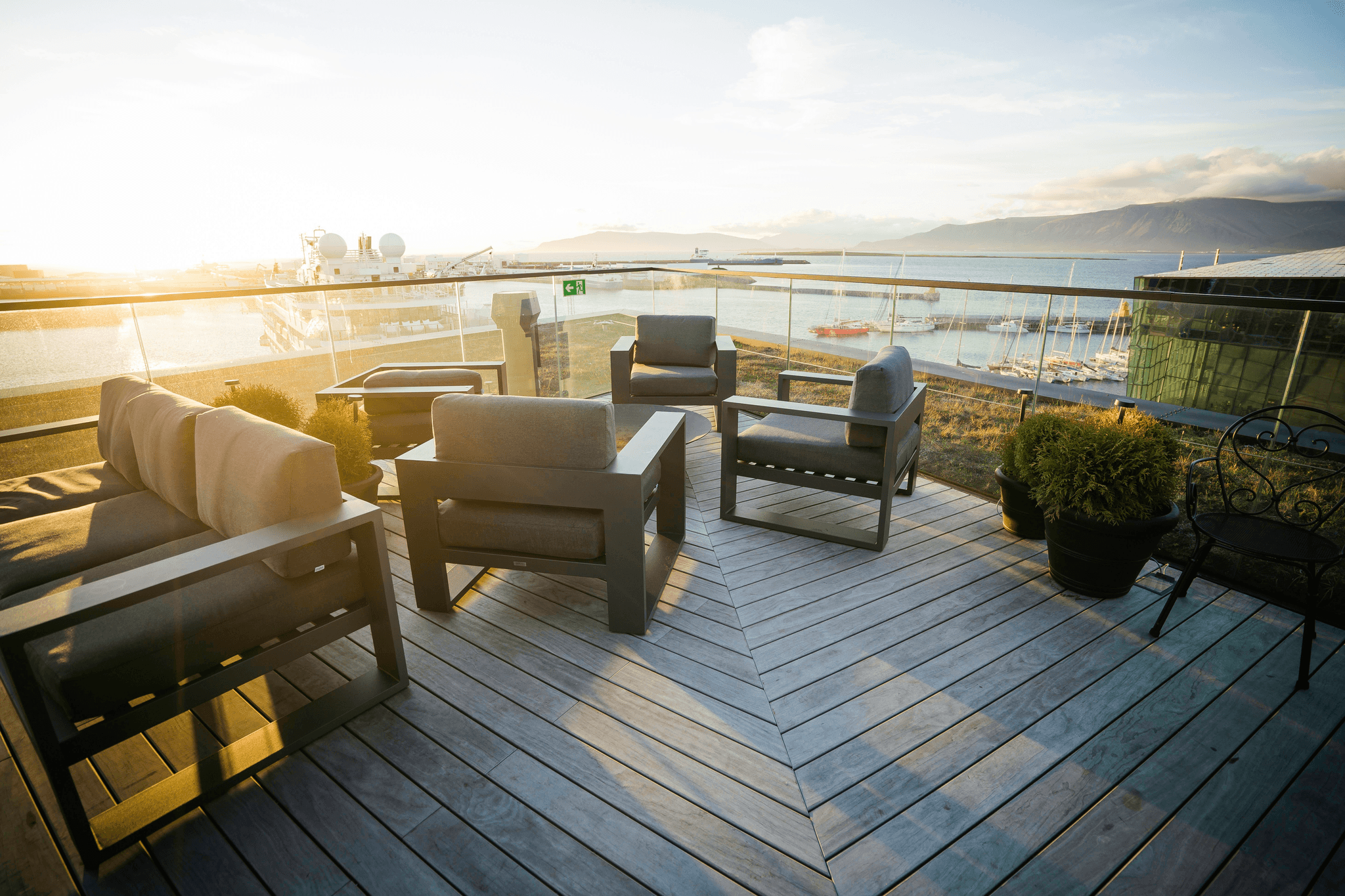
Wood decking has long been a popular choice among homeowners due to its natural beauty and timeless appeal. Common types of wood used in decking include cedar, redwood, and pressure-treated pine, each bringing its own unique aesthetic and durability characteristics. However, while wood may initially seem like the best decking material for its charm, it does come with certain maintenance challenges that can deter some homeowners.
Benefits of Composite Lumber Decking
Composite lumber decking is gaining traction as a viable alternative to traditional wood options, and for good reason! Made from a blend of recycled materials and plastic, composite deck boards are designed to resist fading, staining, and mold growth—features that make them incredibly low-maintenance compared to wood decking. Additionally, composite wood decking boards often come with warranties that span decades, ensuring your investment remains protected over time.
What to Consider When Choosing Deck Boards
When selecting deck boards for your outdoor space, several factors should guide your decision-making process. First off, consider how much time you want to dedicate to maintenance; if you're looking for something hassle-free, composite deck boards might be your best bet. Also think about climate; certain woods fare better in humid conditions than others while composite options provide consistent performance regardless of weather extremes—making them an attractive choice for many environments.
Composite Decking: The Modern Choice

In the world of outdoor living, composite decking has emerged as a frontrunner, redefining what it means to enjoy your deck. Gone are the days when wood decking was the only option; now, composite lumber decking offers an innovative alternative that combines aesthetics with practicality. Homeowners are increasingly recognizing that the best decking material is not just about looks but also about longevity and ease of maintenance.
Advantages of Composite Deck Boards
Composite deck boards come with a plethora of advantages that make them a popular choice for modern homeowners. First and foremost, they require significantly less maintenance compared to traditional wood decking, meaning you can spend more time enjoying your outdoor space rather than staining or sealing it. Additionally, composite lumber decking is resistant to fading, scratching, and mold growth, ensuring that your deck remains beautiful year after year without the need for constant upkeep.
Another key benefit is the environmental aspect; many composite materials are made from recycled plastics and wood fibers. This makes composite deck boards not only durable but also an eco-friendly option for those looking to minimize their carbon footprint while enhancing their outdoor living area. With these advantages in mind, it's clear why many consider composite decking as one of the best decking materials available today.
Popular Brands of Composite Decking
When it comes to choosing composite decking options, several brands have gained popularity for their quality and variety. Trex is often at the top of consumers' lists due to its wide range of colors and styles that cater to different tastes while maintaining high durability standards in their composite wood decking boards. Another notable brand is TimberTech, which offers premium options with impressive warranties—perfect for those who want peace of mind along with style.
Other popular brands include Fiberon and MoistureShield, both known for their innovative designs and commitment to sustainability in their products. These companies have made significant strides in creating low-maintenance solutions that mimic the beauty of traditional wood without compromising on performance or longevity. With so many reputable brands offering exceptional choices in deck composite decking materials, finding the right fit for your home has never been easier.
Sustainable Features of Composite Wood Decking Boards
Sustainability is becoming a crucial factor in home improvement decisions today—and rightly so! Composite wood decking boards excel in this area by utilizing recycled materials such as plastic bags and reclaimed wood fibers during production processes. By opting for these eco-friendly options, homeowners can contribute positively to environmental conservation while still achieving a stunning outdoor space.
Moreover, many manufacturers prioritize sustainable practices throughout their supply chains—from sourcing raw materials responsibly to ensuring energy-efficient manufacturing processes. This commitment not only helps reduce waste but also aligns with growing consumer demand for environmentally conscious products in all sectors—including outdoor living solutions like deck boards. If you’re looking for a way to create an inviting atmosphere while being kind to our planet, choosing composite lumber decking could be your best decision yet!
The Allure of Traditional Wood Decking

Wood decking has long been cherished for its natural beauty and timeless appeal. The warm tones and unique grain patterns of wood create an inviting atmosphere that many homeowners find irresistible. When considering the best decking material, wood often tops the list for those who appreciate classic aesthetics.
Classic Aesthetics of Wood Decking
One of the standout features of wood decking is its ability to blend seamlessly with nature, adding a rustic charm to any outdoor space. The rich colors and textures of various wood species can enhance your home's exterior, making it a focal point for gatherings and relaxation alike. For many, nothing compares to the authentic look and feel of natural wood when choosing deck boards.
Maintenance Challenges with Wood
However, while wood decking may be visually stunning, it does come with its fair share of maintenance challenges. Regular upkeep is required to prevent issues like warping, splintering, and fading due to sun exposure. Homeowners must weigh these maintenance demands against the allure of traditional wood when deciding on their ideal deck composite decking.
Types of Wood Used in Decking
When it comes to types of wood used in decking, there are several popular options that cater to different tastes and budgets. Pressure-treated pine is a common choice due to its affordability and availability, while cedar offers a more upscale appearance with natural resistance to decay. For those willing to invest more in durability and aesthetics, hardwoods like teak or mahogany provide stunning visuals along with longevity—making them some of the best decking material options available.
Cost Comparison: Wood vs. Composite
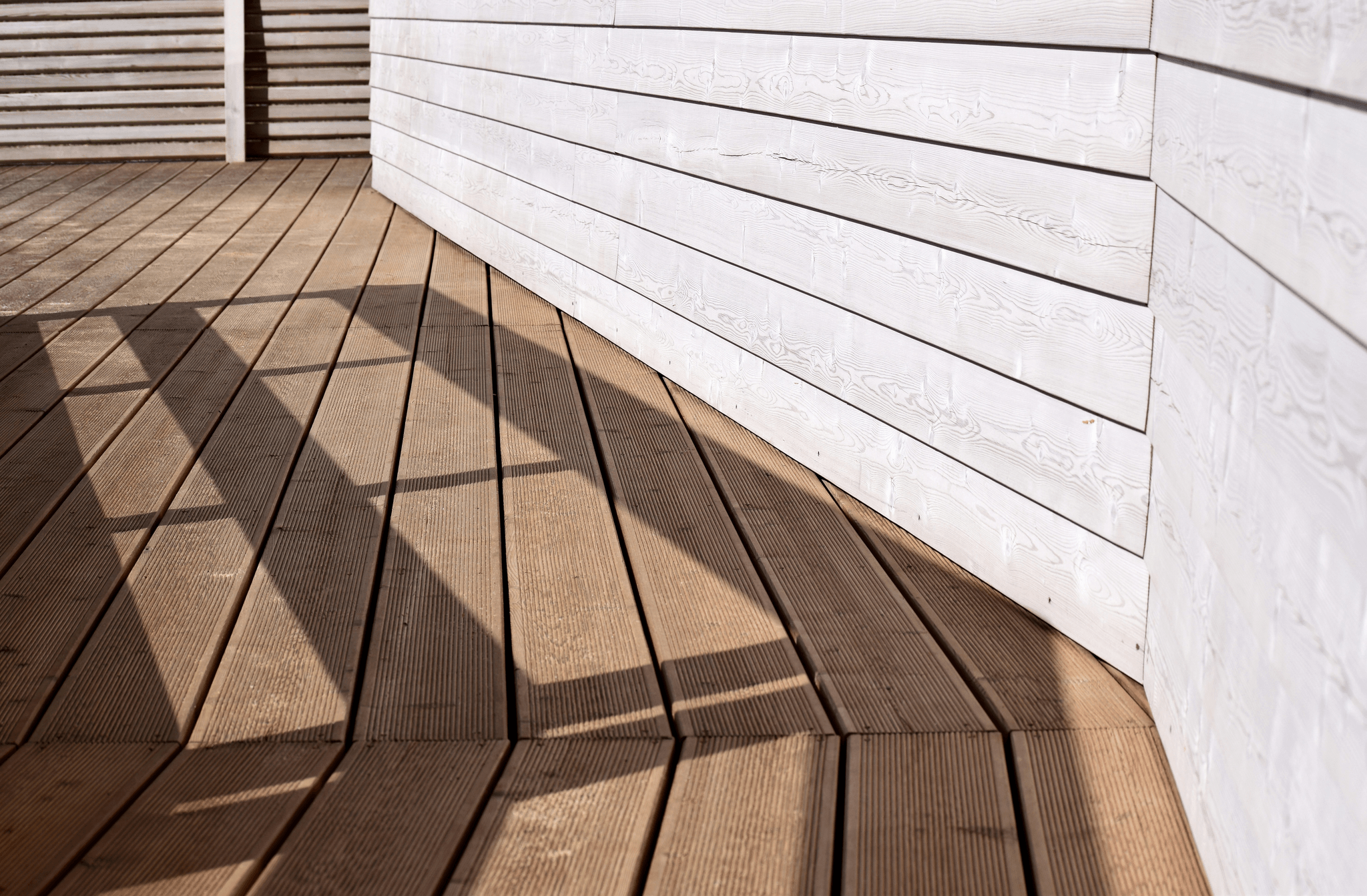
When it comes to decking, the cost comparison between wood and composite materials is a hot topic among homeowners. While many might initially gravitate towards traditional wood decking due to its classic appeal, composite lumber decking offers a compelling case for long-term savings and overall value. Understanding the financial implications of both options can help you determine the best decking material for your needs.
Initial Investment vs. Long-Term Savings
The initial investment in wood decking often seems lower than that of composite deck boards, leading many to believe they are making a financially savvy choice. However, when factoring in longevity and durability, composite decking frequently emerges as the more economical option over time. The upfront costs of high-quality composite wood decking boards may be higher, but their resistance to fading, warping, and splintering means fewer repairs—or replacements—down the line.
Hidden Costs of Maintenance
One area where traditional wood decking can become a financial burden is maintenance costs that often catch homeowners off guard. Regular staining, sealing, and repairs add up quickly with wood decks; these hidden costs can make it difficult to see the true expense of your initial investment in wood materials. In contrast, composite deck boards require minimal upkeep—just an occasional wash will keep them looking fresh—making them an attractive option for those who prefer enjoying their outdoor space rather than spending weekends maintaining it.
Value Retention Over Time
When considering value retention over time, it's essential to recognize how each material holds up against market demand and buyer preferences. Composite lumber decking tends to maintain its value better than traditional wood due to its durability and low maintenance requirements; this makes it appealing not only for current enjoyment but also for future resale potential. Homebuyers increasingly seek out properties with composite deck boards because they represent a smart investment in outdoor living spaces—the best decking material for modern homes.
Best Decking Material for Your Lifestyle
The right choice can enhance your outdoor experience, whether you’re hosting lively gatherings or enjoying quiet evenings under the stars. As we dive into how climate, entertaining needs, and family dynamics influence your decision, keep in mind the benefits of both wood decking and composite lumber decking.
Consider Your Climate and Environment
Your local climate plays a significant role in determining the best decking material for your home. If you live in an area with heavy rainfall or humidity, composite deck boards are often a better choice due to their resistance to moisture and rot compared to traditional wood decking. Conversely, if you're in a dry climate with plenty of sun exposure, some types of wood decking can withstand these conditions well but may require more maintenance over time.
Additionally, consider how environmental factors like UV rays affect your deck’s longevity. Composite wood decking boards are engineered to resist fading and discoloration from sunlight, making them an ideal option for sun-drenched patios. Ultimately, understanding your environment will guide you towards a durable solution that suits your lifestyle.
Decking for Entertaining vs. Relaxation
Are you envisioning wild summer barbecues or tranquil sunset dinners? The way you plan to use your deck should heavily influence the best decking material you choose. For vibrant gatherings filled with laughter and foot traffic, composite decking offers durability without compromising style; it’s resistant to scratches and stains from spills or furniture movement.
On the flip side, if relaxation is more your speed—think cozy evenings with a good book—wood decking can provide that classic aesthetic charm that invites tranquility into any space. However, keep in mind that while wood may create a warm ambiance perfect for unwinding, it might require extra care to maintain its beauty over time compared to composite lumber decking options.
Family-Friendly Decking Solutions
If you have children or pets running around, opting for composite deck boards might be wise since they typically feature slip-resistant surfaces and won’t splinter like traditional wood options can. This makes composite wood decking boards an excellent choice for creating safe play areas without sacrificing style.
Moreover, durability is key when considering family-friendly solutions; kids can be tough on surfaces! Composite materials withstand wear and tear better than most woods do while still looking fabulous year after year with minimal upkeep required—a win-win situation for busy families looking to enjoy their outdoor spaces without constant worry about maintenance.
Conclusion
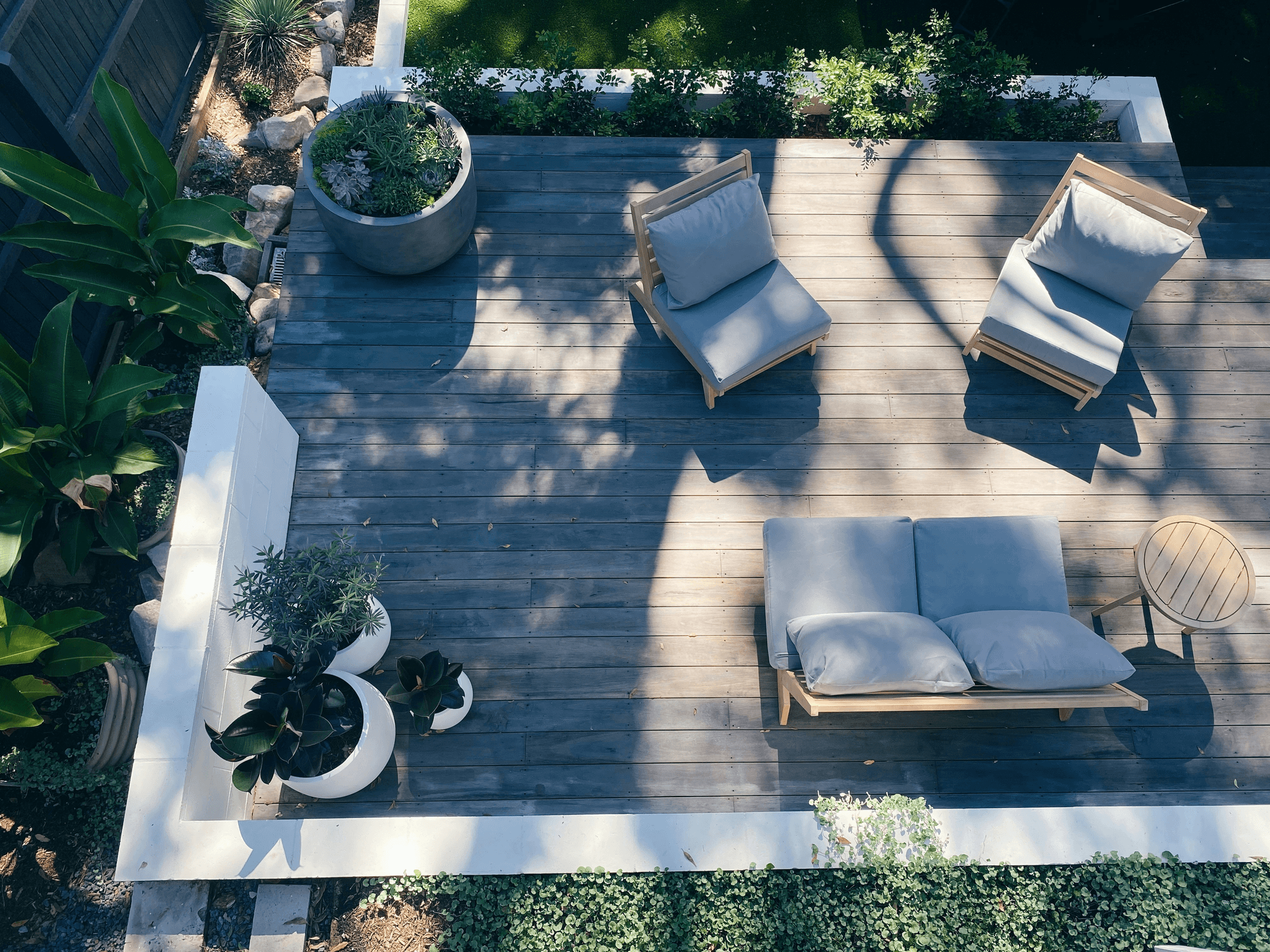
In the end, choosing the best decking material for your home is a decision that should reflect both your lifestyle and aesthetic preferences. With so many options available, it's essential to weigh the pros and cons of wood versus composite lumber decking carefully. By understanding the unique attributes of each material, you can make an informed choice that will enhance your outdoor space for years to come.
Making an Informed Decision for Your Deck
Consider factors such as climate, maintenance requirements, and how you plan to use your deck before making a final decision. Whether you lean toward traditional wood decking or opt for modern composite decking options, being well-informed will help ensure that your deck meets all your needs.
Why Composite Decking Inc is a Great Choice
If you're leaning towards composite materials, Composite Decking Inc stands out as an excellent choice in the market. They offer a wide range of composite wood decking boards that are not only durable but also aesthetically pleasing. With their commitment to sustainability and innovative designs, you can trust that you're investing in some of the best decking material available today.
Enjoying Your Deck for Years to Come
Ultimately, whether you choose wood decking or composite deck boards, the goal is to create a space where memories are made and relaxation is prioritized. With proper care and attention—especially with low-maintenance options like composite lumber decking—you can enjoy your outdoor oasis without constant worry about upkeep. So go ahead and envision those sunny afternoons on your new deck; it’s time to make it a reality!