
Introduction
Understanding the Price of Decking
The price of decking can vary widely depending on several factors, including material type and regional demand. For instance, wood decking options may offer a classic look but often come with higher maintenance costs over time. On the other hand, composite decking presents an attractive alternative that combines durability with lower upkeep, making it essential to weigh your options carefully when considering how to deck a deck.
Why Decking Options Matter
Choosing the right decking products can significantly impact not just your home's value but also its livability. Different materials cater to various tastes and needs; for example, some homeowners may prioritize aesthetics while others focus on longevity or sustainability in their choice of composite decking. Understanding these preferences is vital in ensuring that your investment pays off in both enjoyment and financial return.
Key Factors Influencing Decking Prices
Several key factors influence the price of decking beyond just material choice; these include installation costs, maintenance requirements, and local market trends in building practices. For example, while wood decking options might be more affordable upfront, they could lead to higher long-term expenses due to frequent repairs or replacements needed over time. Additionally, regional variations in labor costs can impact overall pricing significantly—making it important to research thoroughly before committing to any specific type of decking.
The Cost Landscape of Decking

Average Price Ranges in Your Area
The average price ranges for decking materials can differ widely depending on where you live. In general, wood decking options might range from $2 to $5 per square foot for basic materials like pressure-treated lumber, while higher-end woods such as cedar or redwood can soar up to $10 or more per square foot. Composite decking tends to sit in the middle ground; prices typically hover around $3 to $7 per square foot but can increase based on brand and features like fade resistance or texture.
Understanding these average prices is essential when budgeting for your project. Remember that these figures are just starting points; additional costs may arise from accessories like railing systems or stairs that complement your new deck. Ultimately, knowing the average price of decking in your area will help you plan accordingly and avoid any unwelcome surprises down the line.
Comparing Wood and Composite Decking
When weighing your options between wood and composite decking products, it's important to consider not just upfront costs but also long-term value. While wood decking options typically have lower initial costs compared to composite materials, they often require more maintenance over time—think staining, sealing, and repairs due to weathering or insect damage. On the other hand, composite decking offers a more durable solution with less upkeep; however, it usually comes at a higher initial investment.
So why choose one over the other? If you're leaning towards aesthetics and natural beauty with a willingness to invest time into maintenance tasks, wood could be your go-to choice. Conversely, if you're looking for durability combined with low maintenance—composite decking is often touted as a smart choice that pays off in the long run.
Regional Variations in Decking Costs
Regional variations play a significant role in determining the price of decking across different areas of the country. For example, coastal regions may face higher costs due to increased demand for weather-resistant materials like composite decks that stand up against salt air corrosion. Meanwhile, rural areas might offer lower pricing on traditional wood options simply because those materials are more readily available locally.
Additionally, labor costs associated with installing these products can fluctuate based on local economies and availability of skilled workers—factors that should never be overlooked when budgeting for your project! Always keep an eye out for regional trends; knowing what’s popular or scarce in your area helps you make better choices when selecting between various types of decking products.
Popular Decking Products Explained
Overview of Wood Decking Options
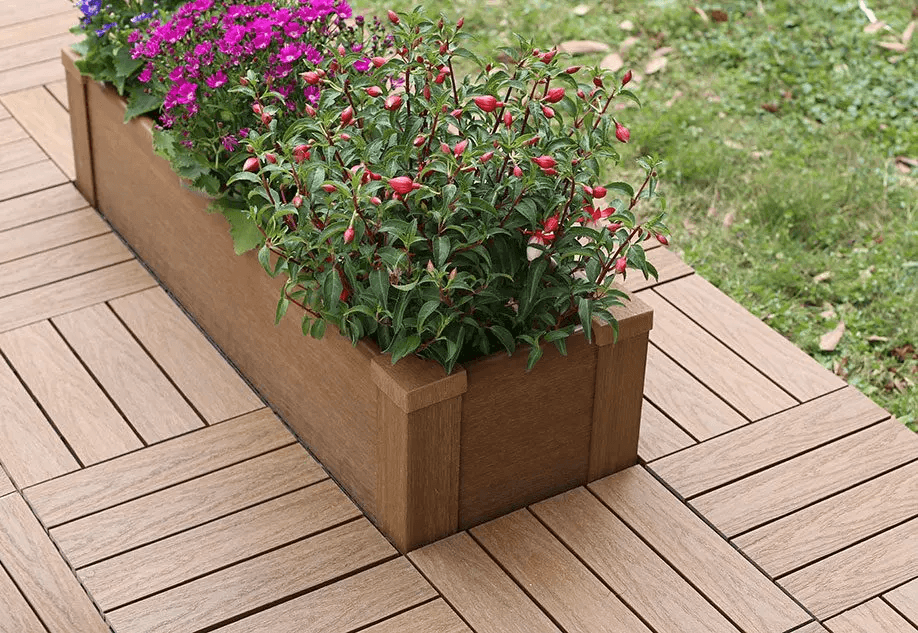
Wood decking options remain a classic favorite among homeowners looking for warmth and natural beauty in their outdoor spaces. Common types include pressure-treated pine, cedar, and redwood, each offering unique aesthetics and durability features. While the price of decking made from wood can vary significantly based on species and treatment methods, it often provides an inviting charm that many find hard to resist.
However, it's essential to consider ongoing maintenance costs with wood decking options; regular sealing or staining is necessary to keep them looking their best. In regions with high humidity or extreme weather conditions, some woods may require more frequent care than others. Ultimately, while wood offers timeless appeal, potential buyers should weigh both initial costs and long-term upkeep when considering this option.
Benefits of Composite Decking
Composite decking has surged in popularity due to its low-maintenance nature and impressive durability compared to traditional wood options. Made from a blend of recycled materials and plastic fibers, composite decking offers a range of colors and textures that mimic the look of real wood without the hassle of regular upkeep. Homeowners are increasingly drawn to composite decking because it stands up well against rot, pests, and fading—a significant advantage over many wood alternatives.
In addition to its longevity, composite decking also presents an eco-friendly option for those concerned about sustainability in building practices. Many brands utilize recycled materials in their products—so not only do you get a stunning deck but also peace of mind knowing you’re contributing positively to the environment. When considering how much you want to invest in your outdoor space long-term, understanding composite decking’s benefits can help justify its price tag.
Specialty Decking Products in Demand
As trends evolve in outdoor living spaces, specialty decking products are becoming increasingly popular among homeowners eager for something unique or customized for their needs. Options like PVC decks offer exceptional resistance against moisture while maintaining vibrant colors year-round—ideal for those living in wet climates or who simply want less maintenance hassle than traditional materials provide. Additionally, there are innovative designs like interlocking tiles that allow users flexibility when creating multi-level decks or patios.
Another exciting trend is eco-friendly alternatives made from bamboo or other sustainable resources—these not only look stunning but also contribute positively toward environmental conservation efforts within building practices today! With such variety available on the market today—from traditional choices like wood deckings options through modern composites—it’s clear why specialty products are gaining traction amongst consumers seeking personalized touches for their homes.
Labor Costs in Decking Installation
Understanding Installation Fees
Installation fees are often a hidden aspect of the total cost when considering decking products. These fees typically cover labor, equipment rental, and any necessary permits required for decking in building projects. Homeowners should expect to see installation costs that can range from $5 to $15 per square foot, depending on materials chosen and the intricacies involved in installing wood decking options or composite decking.
DIY vs. Professional Installation
Choosing between DIY and professional installation can dramatically affect your overall spending on decking a deck. While taking on a DIY project may seem like a way to save money, it requires time, skill, and sometimes specialized tools that could offset those savings. On the other hand, hiring professionals ensures that your composite decking is installed correctly from the start but comes with its own set of costs that need careful consideration.
Factors Affecting Labor Prices
Several factors influence labor prices when installing decking products, including geographic location and demand for skilled laborers in your area. Seasonal trends also play a role; demand tends to spike during warmer months when more homeowners are eager to enhance their outdoor spaces with beautiful decks. Additionally, specific requirements related to wood decking options or composite decking how-to guides may necessitate additional expertise or time investment from professionals.
Maintenance Costs of Decking
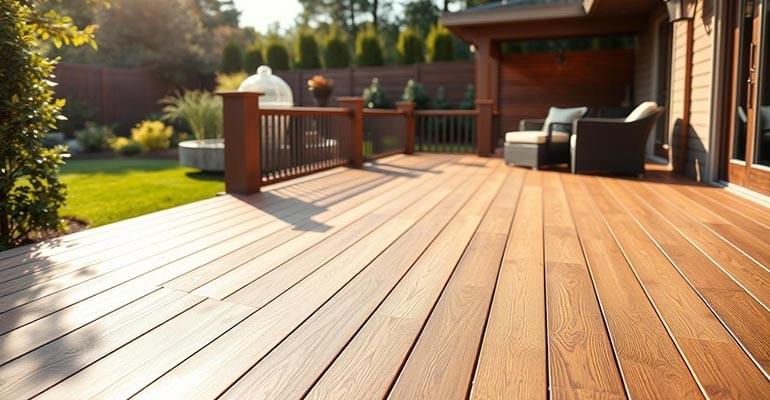
When considering the price of decking, it's essential to factor in the ongoing maintenance costs associated with different materials. Wood decking options often require more attention and care than their composite counterparts. Understanding these costs can help homeowners make informed decisions about which decking products are right for their lifestyle and budget.
Ongoing Care for Wood Decking
Wood decking options, while beautiful and classic, come with a commitment to ongoing care that can add up over time. Regular tasks include cleaning, sealing, and staining to protect against weather damage and decay. Homeowners should anticipate spending both time and money on these maintenance activities to keep their wood decks looking fresh and inviting.
In addition, the price of decking made from natural wood can be influenced by its susceptibility to pests like termites or rot from moisture if not properly maintained. This means that budgeting for periodic inspections or treatments is crucial when opting for wood decking options. Ultimately, while wood may offer aesthetic appeal, its upkeep can lead to higher long-term costs compared to other materials.
Low Maintenance with Composite Materials
In contrast, composite decking offers a low-maintenance alternative that appeals to many homeowners looking for convenience without sacrificing style. Composite materials are designed to resist fading, staining, and mold growth—meaning less time spent on upkeep over the years. With minimal maintenance required—just an occasional wash with soap and water—the overall cost of ownership tends to be lower for composite decking.
For those considering how much they want to invest in maintaining their outdoor spaces, understanding composite decking—what it is and how it works—can help clarify its benefits. The initial price of decking may be higher for composites; however, the reduced need for repairs or replacements makes them an attractive option in the long run. This low-maintenance quality allows homeowners more time enjoying their deck rather than working on it.
Budgeting for Deck Repairs
Even with well-maintained decks—be they wood or composite—repairs will eventually become necessary due to wear and tear over time. It's wise to budget specifically for these potential repairs when calculating overall costs associated with your chosen decking products. For instance, while composite materials tend to hold up better against damage than traditional wood options, they are not completely immune; budgeting accordingly ensures you're prepared when issues arise.
When planning your budget around deck repairs, consider factors like regional weather patterns that might impact longevity or specific wear points based on use (like high foot traffic areas). Additionally, knowing how much each type of material typically costs when repairs are needed will help you make informed choices about your initial investment in building a deck that lasts longer without breaking the bank later on. Ultimately, a proactive approach towards budgeting will save you headaches—and dollars—in the future.
Choosing the Right Decking for Your Home
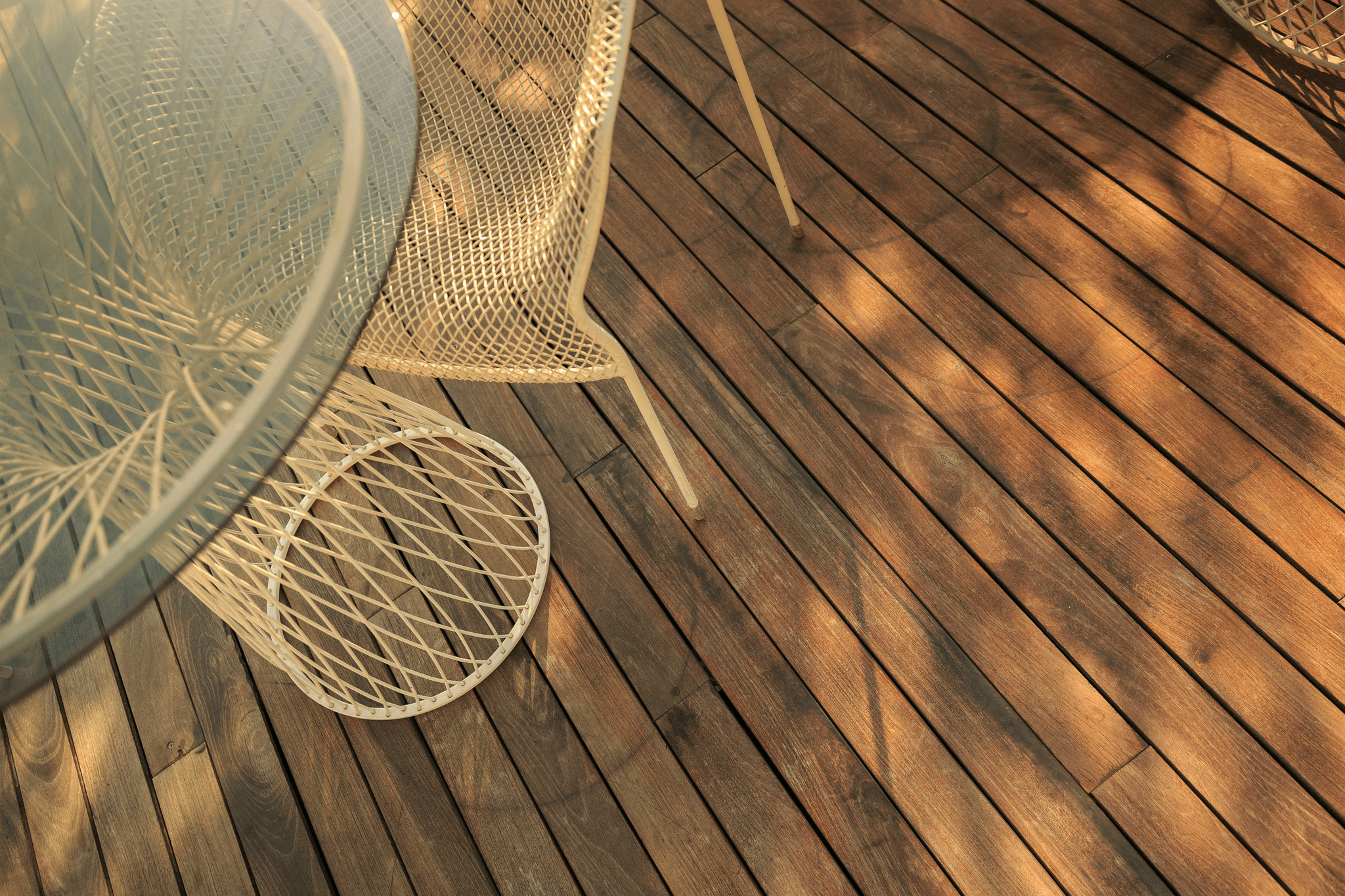
Selecting the right decking for your home is a decision that goes beyond aesthetics; it’s about understanding your space, lifestyle, and budget. The price of decking can vary significantly based on the materials used and the complexity of the installation. By assessing your specific needs, you can find decking products that not only suit your style but also fit within your financial plan.
Assessing Your Space and Needs
Before diving into wood decking options or composite decking how to guides, take a moment to evaluate your outdoor space. Consider factors like size, shape, and intended use—will it be a cozy reading nook or an entertaining area for friends? Understanding these elements will help you choose the right type of decking that complements both your lifestyle and the environment around it.
Additionally, think about maintenance requirements when assessing your needs. For instance, if you’re leaning toward wood decking options but dread regular upkeep, perhaps composite decking what is it may be more suitable for you. A well-informed choice will ensure that you enjoy your deck without constantly worrying about repairs or maintenance costs.
Environmentally Friendly Decking Choices
In today’s eco-conscious world, many homeowners are looking for environmentally friendly decking choices that don’t compromise style or durability. Sustainable wood options such as bamboo or reclaimed timber are excellent choices if you're leaning towards traditional wood decking options while minimizing environmental impact. On the other hand, composite materials often incorporate recycled plastics and wood fibers, making them a popular choice among those who want to reduce their carbon footprint.
When considering environmentally friendly options, also look into brands that prioritize sustainability in their manufacturing processes. These companies often provide transparency about sourcing materials and minimizing waste in production—factors that can influence not just the price of decking but also its overall value in terms of environmental stewardship. Embracing eco-friendly choices means you can enjoy your deck guilt-free while contributing positively to our planet.
The Role of Local Building Codes
Before finalizing any decisions on decking in building projects, it's crucial to familiarize yourself with local building codes and regulations. These codes can dictate everything from allowable materials to structural requirements for safety—ensuring that whatever option you choose meets local standards is essential for avoiding costly fines or renovations down the line.
Consulting with local authorities can provide clarity on what’s allowed in your area; this knowledge becomes especially important when choosing between various types of decking products available on the market today. Additionally, understanding these codes might influence whether you opt for DIY installation or hire professionals—a factor closely tied to labor costs associated with installing different types of decks.
Ultimately, being informed about local building codes helps streamline both planning and budgeting processes while ensuring compliance throughout every step of creating a beautiful outdoor space tailored just for you.
Conclusion

In wrapping up our exploration of decking, it’s essential to consider the various factors that influence the price of decking and how they align with your needs and preferences. Whether you're leaning towards wood decking options or the increasingly popular composite decking, understanding these elements will help you make a well-informed choice. Ultimately, the decision to invest in decking should reflect not just cost but also value in terms of aesthetics, functionality, and longevity.
Evaluating the Cost-Benefit of Decking
When evaluating the cost-benefit of decking, it's crucial to weigh initial investment against long-term maintenance and enjoyment. The price of decking can vary significantly between wood and composite options; however, many homeowners find that investing in quality materials pays off over time through reduced upkeep costs. Additionally, consider how different decking products enhance your outdoor living space—after all, a well-constructed deck can significantly boost your home's value.
Making Informed Decisions on Decking
Making informed decisions on decking involves thorough research and consideration of various factors including climate, intended use, and personal style preferences. For instance, if you live in an area prone to moisture or extreme weather conditions, opting for durable composite decking may be wiser than traditional wood decking options that require more upkeep. Furthermore, understanding regional variations in pricing can also help you find competitive rates for both materials and installation services.
The Future of Sustainable Decking Solutions
As we look to the future of sustainable decking solutions, it’s clear that innovation is driving changes in how we approach outdoor spaces. More manufacturers are prioritizing eco-friendly materials and processes when producing composite decking—what is it? It's a blend designed to mimic wood while offering superior durability without harming forests or ecosystems. Embracing sustainable practices not only benefits our planet but can also lead to cost savings over time as maintenance requirements decrease.