
Introduction

With various options available, from traditional wood to modern composite decking, the decision can be overwhelming. Each material boasts its own unique features, making it essential to weigh the pros and cons before diving in.
Choosing the Right Boat Dock Decking Material
Choosing the right boat dock decking material involves considering factors such as durability, aesthetics, and maintenance requirements. Composite lumber decking has gained popularity due to its resilience against harsh weather conditions and water exposure. However, traditional wood still holds a nostalgic charm that some may prefer for their docks.
Benefits of Composite Decking Options
Composite decking offers numerous benefits that make it an attractive choice for boat docks. These materials typically require less upkeep than their wooden counterparts, allowing you more time to enjoy your time on the water rather than worrying about maintenance tasks. Moreover, composite wood provides excellent resistance to fading and splintering, ensuring your deck boards look great for years to come.
Understanding Maintenance Requirements
Understanding maintenance requirements is vital when selecting a durable decking solution for your boat dock. Low maintenance decks made from PVC decking or composite materials often require minimal cleaning and occasional inspections rather than intensive care routines associated with traditional wood decks. This ease of maintenance not only saves you time but also helps maintain the integrity of your investment over time.
Types of Boat Dock Decking Materials

Each type of decking has its own unique characteristics, benefits, and potential drawbacks, which can significantly affect your choice. Here’s a closer look at some popular materials that can make or break your dock experience.
Analyzing Composite Lumber Decking
Composite lumber decking has gained popularity among boat owners for its durability and low maintenance requirements. Made from a blend of wood fibers and recycled plastic, composite decking offers the best of both worlds: the aesthetic appeal of wood with enhanced resistance to moisture and decay. This makes composite lumber an excellent choice for those looking to invest in long-lasting deck boards that withstand harsh marine environments.
One significant advantage of composite wood is its ability to resist fading and staining compared to traditional wood options. It doesn’t splinter or warp, ensuring safety while providing a comfortable surface for walking barefoot on hot summer days. Plus, with many manufacturers offering warranties on their products, you can feel confident that you're making a wise investment in durable decking.
Exploring PVC Decking Choices
PVC decking is another contender in the race for the ideal boat dock decking material, known for its unique properties and versatility. Unlike composite lumber, PVC (polyvinyl chloride) is entirely synthetic, which means it won’t absorb water or promote mold growth—perfect for those wet conditions near water bodies. This low maintenance deck option requires minimal upkeep beyond occasional cleaning to keep it looking pristine.
One major selling point of PVC decking is its impressive color retention; it resists fading from UV exposure better than many alternatives on the market today. Additionally, PVC offers an array of design choices that can mimic natural wood grains without sacrificing durability or performance under pressure. If you're after a sleek look while maintaining functionality in your boat dock area, exploring PVC options could be just what you need.
Traditional Wood Vs. Alternative Materials
Traditional wood remains a classic choice for boat dock decking material due to its timeless beauty and familiarity among homeowners; however, it comes with several challenges that modern alternatives aim to address. While nothing beats the natural charm of hardwoods like cedar or mahogany when freshly installed, these materials require regular maintenance such as sealing and staining to prevent deterioration over time—definitely not ideal if you prefer a low maintenance deck!
In contrast, alternative materials like composite lumber and PVC provide solutions that cater specifically to durability concerns while still allowing homeowners some aesthetic flexibility through various colors and finishes available today. Ultimately, your decision should balance personal preference with practical considerations like longevity and upkeep efforts needed down the line—after all, nobody wants their beautiful new deck boards becoming an eyesore after just one season!
Factors Affecting Durability
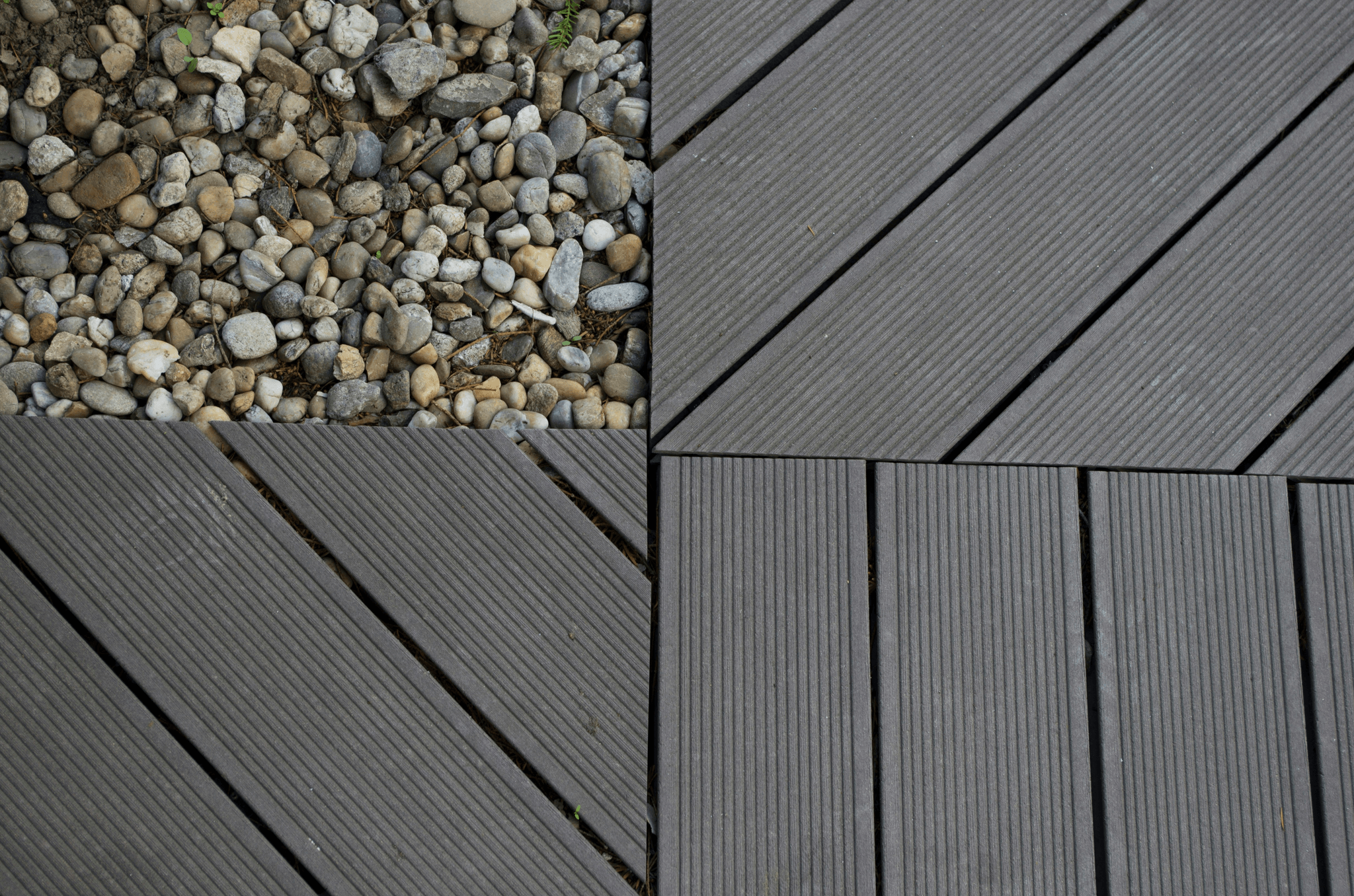
When selecting the right boat dock decking material, durability is a crucial factor that can make or break your investment. The longevity and performance of your deck boards will depend on various elements, including weather resistance, material composition, and exposure to water. Understanding these factors can help you choose the most suitable option for your needs.
Weather Resistance in Deck Boards
Deck boards made from composite lumber decking or PVC decking are designed to withstand UV rays, rain, snow, and temperature fluctuations without warping or fading. Unlike traditional wood that may splinter or crack over time, these durable decking options maintain their integrity and appearance even under extreme weather conditions.
Longevity of Composite Wood
Composite wood has gained popularity due to its impressive longevity compared to natural alternatives. When properly installed and maintained, composite lumber decking can last for decades without significant wear or tear. This makes it an attractive choice for those seeking a low maintenance deck that doesn’t require constant upkeep like staining or sealing typical with traditional wood decks.
Effects of Water Exposure
Water exposure is an inevitable part of life on a boat dock; therefore, choosing the right materials is essential for ensuring durability over time. Both composite decking and PVC decking are engineered to resist moisture absorption, reducing the risk of rot and decay that often plagues wooden docks. By opting for these materials as your boat dock decking material, you can enjoy peace of mind knowing that your investment will endure the test of time against water damage.
Cost Considerations
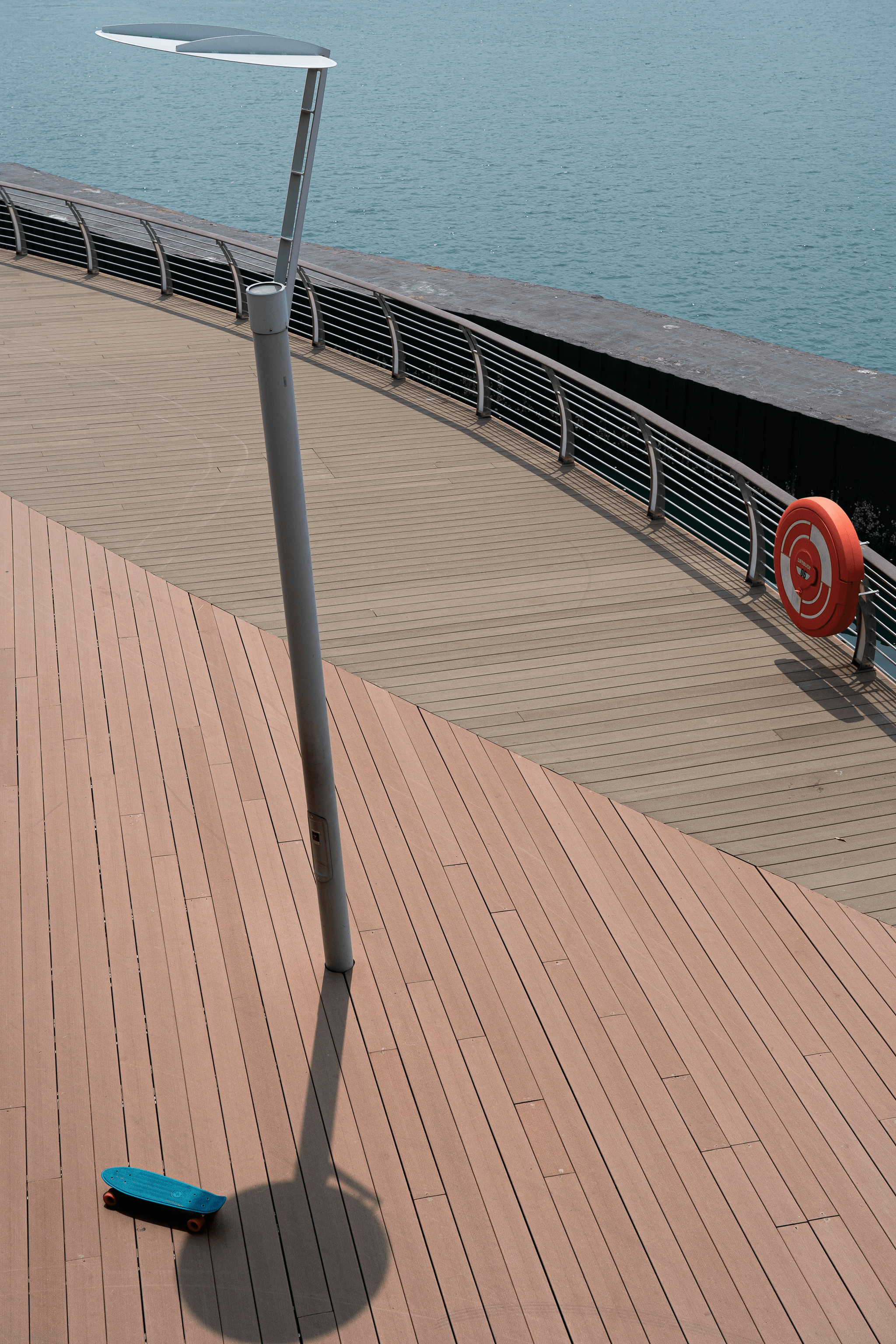
When it comes to selecting the right boat dock decking material, cost is often a primary concern for many homeowners. The initial investment may vary significantly based on the type of decking chosen, whether it's composite lumber decking, PVC decking, or traditional wood. Understanding these costs upfront can help you make an informed decision that aligns with your budget and long-term goals.
Initial Investment in Durable Decking
The initial investment in durable decking can be a bit daunting, especially when comparing various options like composite wood and traditional materials. Composite decking typically comes with a higher price tag initially; however, its longevity and minimal maintenance needs often justify the expense over time. Investing in quality deck boards now can save you from frequent repairs or replacements down the road.
Long-term Savings with Low Maintenance Deck
One of the most appealing aspects of choosing a low maintenance deck is the potential for significant long-term savings. Unlike traditional wood that requires regular staining and sealing, composite lumber decking offers durability without the constant upkeep. Over time, these savings on maintenance costs can offset any higher initial expenses associated with more robust boat dock decking material options.
Comparing Prices of Different Materials
When comparing prices of different materials for your boat dock decking material project, it’s essential to look beyond just the sticker price. While traditional wood might seem cheaper at first glance, remember to factor in ongoing maintenance costs associated with it versus those linked to composite decking or PVC decking options. By evaluating both upfront costs and long-term expenses, you’ll gain a clearer picture of which material truly offers value for your investment.
Aesthetic Appeal
When it comes to boat dock decking material, aesthetics play a crucial role in creating a welcoming and visually appealing space. The right choice can enhance the overall look of your dock while also providing functionality. With various options available, you can find the perfect balance between beauty and durability.
Customization Options for Deck Boards
One of the standout features of composite lumber decking is its extensive customization options. Homeowners can choose from various styles, patterns, and textures to create a unique look that complements their personal taste and the surrounding environment. Whether you prefer sleek modern lines or rustic charm, composite decking allows for endless possibilities in deck boards design.
Additionally, many manufacturers offer customizable sizes and shapes for deck boards, enabling you to create intricate layouts that reflect your vision. This flexibility means you can design a low maintenance deck that not only looks great but also fits perfectly within your space constraints. By opting for customizable options in your boat dock decking material, you'll ensure that your dock stands out while remaining functional.
Color and Finish Choices in Composite Decking
Color selection is another significant advantage when considering composite decking materials. Unlike traditional wood, which may require staining or painting to achieve desired hues, composite wood often comes pre-colored with UV-resistant finishes that maintain their vibrancy over time. From rich browns to cool grays or even bold colors, there’s something for every aesthetic preference.
Moreover, the finishes available on composite decking provide additional protection against fading due to sun exposure or weather conditions—making them an ideal choice for those seeking durable decking solutions with minimal upkeep required. This means you can enjoy your beautiful deck without worrying about constant maintenance or color loss over time. Choosing the right color and finish not only enhances visual appeal but also contributes to the longevity of your boat dock decking material.
Achieving a Natural Look with PVC Decking
For those who love the appearance of natural wood but want the benefits of low maintenance materials, PVC decking offers an attractive solution. Modern PVC products are designed to mimic the look of real wood grain while providing superior resistance to moisture and decay—perfect for any boat dock setting! With various textures and colors available, achieving a natural look has never been easier.
Additionally, many PVC decking options come with built-in UV protection that prevents fading and discoloration over time—a crucial factor when selecting boat dock decking material exposed to harsh elements year-round. As an added bonus, these materials are often lighter than traditional woods yet still incredibly strong—a win-win situation! By choosing PVC as your deck boards option, you’ll enjoy both beauty and practicality without compromising on style.
Eco-Friendly Decking Solutions

In today's world, choosing eco-friendly materials for your boat dock decking can make a significant difference. Sustainable options not only provide durability but also align with a growing consciousness about environmental impact. When selecting your boat dock decking material, consider how composite decking and other alternatives contribute to sustainability.
Sustainable Practices in Composite Decking Inc
Composite lumber decking is a fantastic choice for those looking to balance aesthetics and environmental responsibility. Many manufacturers employ sustainable practices by sourcing recycled materials, which helps reduce waste while producing durable decking solutions. By opting for composite wood, you're supporting companies that prioritize eco-friendly production methods, ensuring your deck boards are made with care for the planet.
Recycling and Reusing Materials
One of the most appealing aspects of composite decking is its ability to incorporate recycled content, which minimizes the demand for virgin resources. Many brands utilize post-consumer plastics and reclaimed wood fibers in their products, creating a low maintenance deck that doesn't compromise on quality or style. This means that when you choose PVC decking or composite options, you're not just enhancing your boat dock; you're also contributing to a circular economy where materials are reused rather than discarded.
Reducing Your Carbon Footprint
Investing in eco-friendly boat dock decking material can significantly reduce your carbon footprint over time. Durable decking options like composite lumber require less energy to produce compared to traditional wood alternatives, leading to lower greenhouse gas emissions during manufacturing. Additionally, by choosing long-lasting materials that don’t need frequent replacement or extensive maintenance, you further decrease environmental impact while enjoying the benefits of beautiful deck boards.
ConclusionWith a variety of options available, from composite decking to traditional wood, understanding the pros and cons of each type will help you select the best fit for your needs. Prioritizing factors such as durability, maintenance requirements, and aesthetic appeal can lead to a satisfying investment in your dock.
Making an Informed Decision
Choosing the ideal boat dock decking material requires careful consideration of various factors that align with your preferences and lifestyle. Composite lumber decking offers excellent durability while minimizing maintenance efforts, making it a popular choice among boaters. By researching different materials like PVC decking or traditional wood, you can confidently select a deck that meets both your functional and aesthetic requirements.
Balancing Cost and Quality
Investing in durable decking may seem daunting at first glance; however, balancing cost with quality often leads to long-term savings. While initial costs for composite wood or high-quality PVC decking might be higher than traditional options, their low maintenance nature can save you time and money over the years. Ultimately, selecting a material that combines affordability with outstanding performance will ensure your boat dock remains inviting for years to come.
Embracing Longevity and Sustainability
In today's eco-conscious world, embracing longevity and sustainability in your choice of boat dock decking material is more important than ever. Opting for composite decking not only provides durability but also supports sustainable practices by utilizing recycled materials. By choosing environmentally friendly solutions like composite lumber decking or PVC options that reduce your carbon footprint, you contribute positively to our planet while enjoying a beautiful deck.