
Introduction
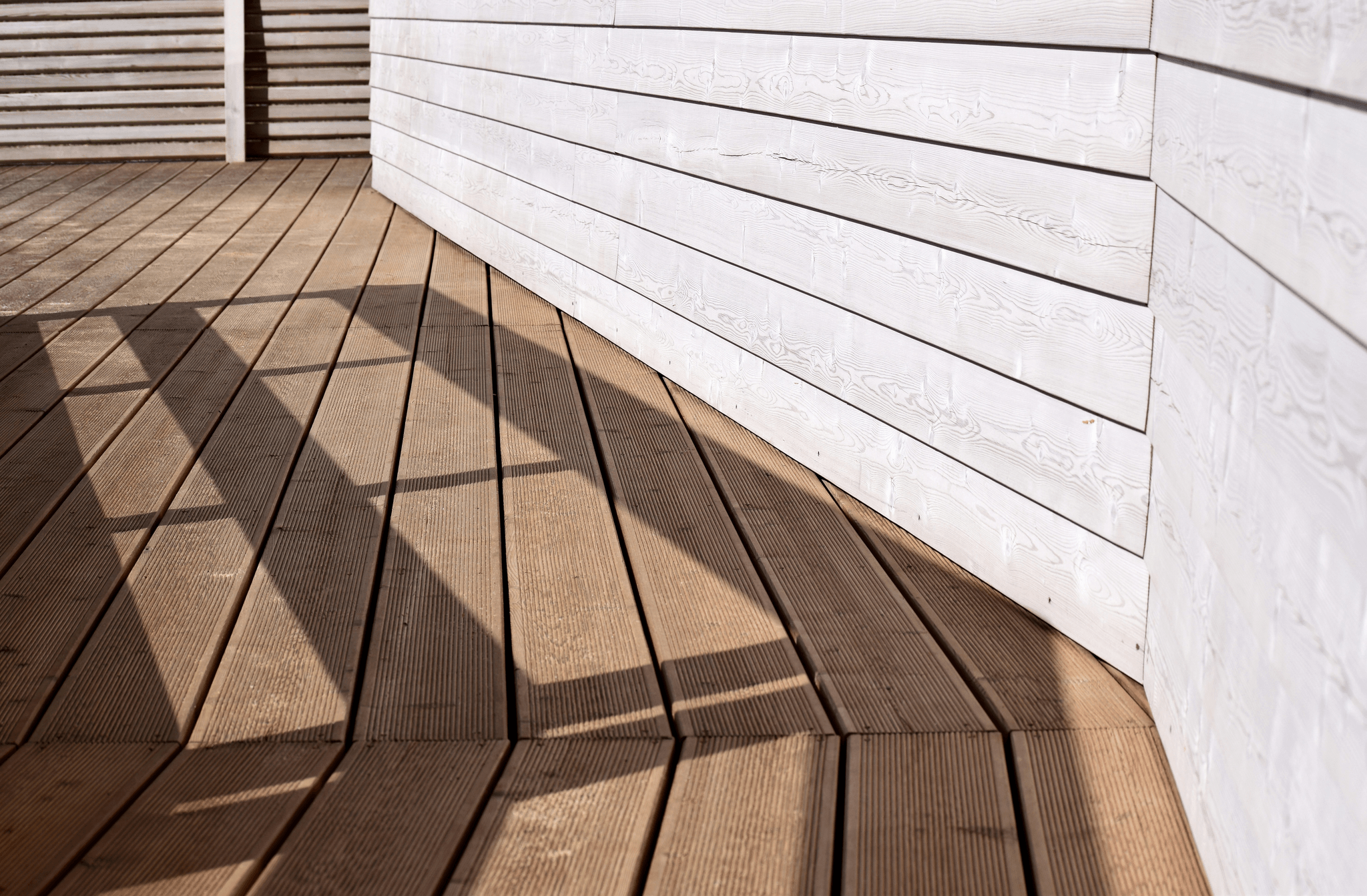
From natural wood to modern composite decking, each option presents unique benefits that cater to diverse preferences and lifestyles. Understanding these choices not only elevates your home’s aesthetic but also influences its long-term value and maintenance needs.
Discover the Benefits of Decking Types
Decking types vary widely, each offering distinct advantages that can transform your backyard into a personal oasis. Natural wood provides timeless beauty and warmth, while composite lumber decking boasts durability and low maintenance requirements. Exploring these options allows homeowners to select a material that aligns with their vision and practical needs.
An Overview of Composite Decking Options
Composite decking has surged in popularity due to its innovative blend of materials designed for resilience and style. This type of deck composite decking is often made from recycled plastics and wood fibers, resulting in a product that mimics the look of natural wood while being resistant to fading, splintering, and pests. With various colors and textures available in composite deck boards, homeowners can achieve their desired aesthetic without sacrificing performance.
Why Your Decking Choice Matters
Your choice of decking is more than just a style statement; it impacts maintenance routines, longevity, and overall enjoyment of your outdoor space. Selecting durable materials like synthetic lumber for decks means less time spent on upkeep and more time enjoying barbecues or quiet evenings under the stars. Ultimately, understanding the nuances between options like deck wood versus composite alternatives empowers you to make an informed decision that enhances both your lifestyle and property value.
Natural Wood Decking

Natural wood decking has a timeless appeal that can transform any outdoor space into a warm and inviting retreat. Its rich textures and organic variations create a unique aesthetic that composite decking simply cannot replicate. Whether you're looking to host summer barbecues or enjoy quiet evenings under the stars, deck wood provides an unparalleled charm.
Exploring the Beauty of Deck Wood
The allure of natural wood decking lies in its beauty—each plank tells its own story through unique grain patterns and colors. From the rustic charm of cedar to the classic elegance of mahogany, there’s a wide range of options available in the world of decking types. The visual warmth provided by deck wood enhances your outdoor area, making it an ideal choice for those who value aesthetics as much as functionality.
Maintenance and Durability of Wood Decks
While natural wood decks are undeniably stunning, they do require regular maintenance to keep them looking their best over time. This includes periodic sealing or staining to protect against moisture and UV damage, which can lead to warping or fading if neglected. However, with proper care, wood decks can last for decades, making them a durable option among various decking types.
Popular Wood Species for Decking
When choosing deck boards made from natural materials, several popular species stand out due to their durability and beauty. Pressure-treated pine is often favored for its affordability and resistance to rot; however, hardwoods like ipe and teak offer exceptional strength and stunning looks at a higher price point. Ultimately, selecting the right type of deck wood depends on your budget and desired aesthetic appeal.
Composite Decking
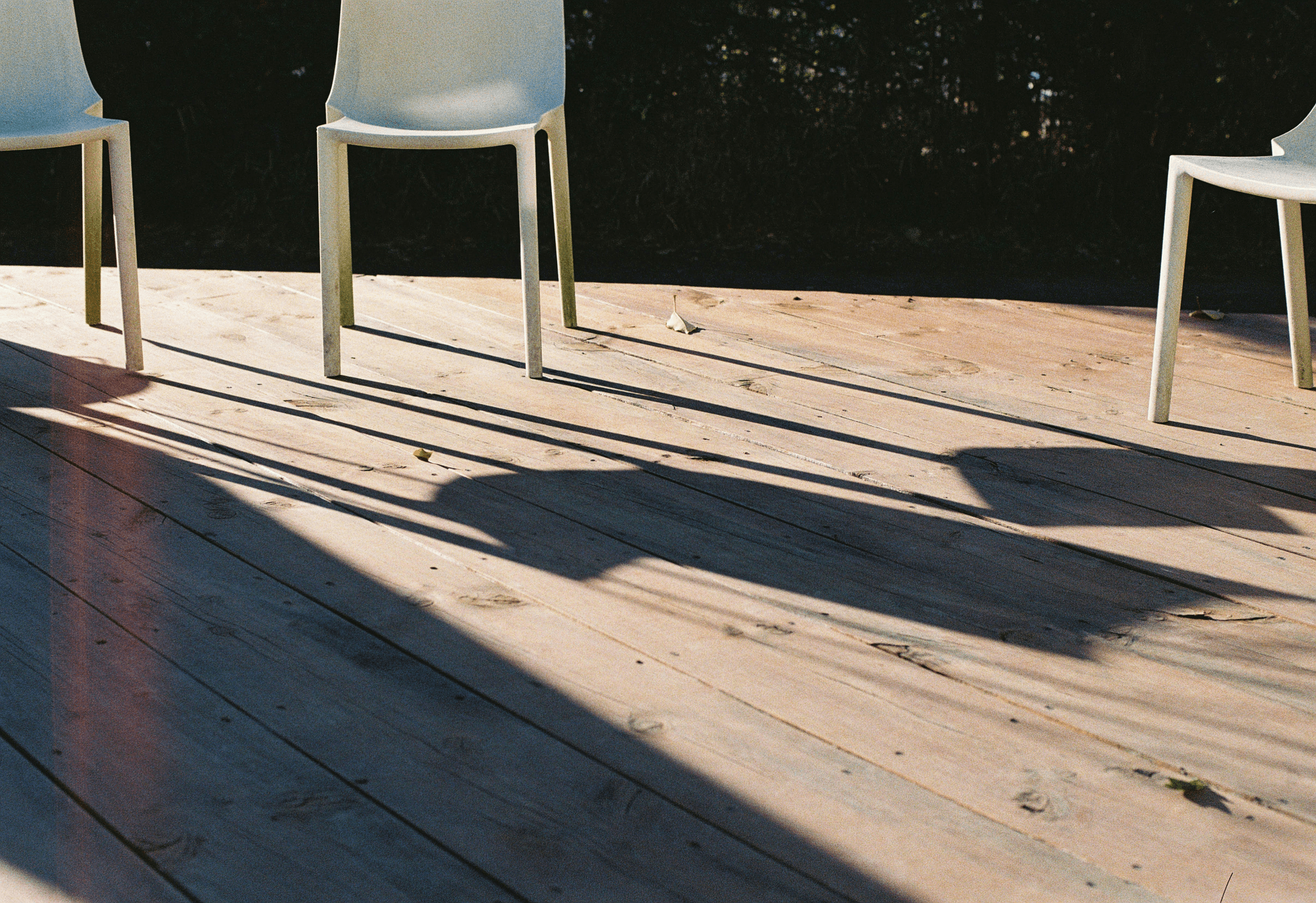
Composite decking has rapidly gained popularity among homeowners and builders alike, transforming the landscape of outdoor living spaces. With its unique blend of materials, composite lumber decking offers a practical alternative to traditional wood options. As more people seek durable and low-maintenance solutions, the rise of composite decking is reshaping our understanding of decking types.
The Rise of Composite Decking
The evolution of composite decking can be traced back to the growing demand for sustainable building materials that require less upkeep than traditional deck wood. Homeowners are increasingly aware of the environmental impact associated with deforestation, prompting a shift towards synthetic lumber for decks that mimic the appearance of natural wood without its drawbacks. This transition not only benefits individual homeowners but also contributes to broader ecological efforts by reducing waste and promoting recycling.
As technology advances, manufacturers have developed innovative composite deck boards that combine recycled plastics and wood fibers, resulting in a product that's both aesthetically pleasing and remarkably durable. These advancements mean that today’s composite decking can withstand harsh weather conditions while resisting fading, staining, and warping—common issues faced by natural wood decks. Consequently, it’s no surprise that many are choosing composite options when selecting their ideal decking types.
Advantages of Composite Lumber Decking
One major advantage of composite lumber decking is its low maintenance requirements compared to traditional deck wood. Unlike wooden decks that need regular staining or sealing to maintain their appearance and longevity, composite deck boards simply require occasional cleaning with soap and water to keep them looking fresh. This ease of maintenance makes composite options particularly appealing for busy homeowners who want to enjoy their outdoor spaces without added hassle.
Additionally, durability is another key benefit when considering different decking types; composite materials are engineered to resist wear over time while maintaining their structural integrity. They won’t splinter like wood or succumb to insect damage—two common pitfalls associated with natural options. Plus, many manufacturers offer warranties on their products, giving you peace of mind regarding your investment in synthetic lumber for decks.
Lastly, aesthetics play an important role in choosing your preferred material; modern composite deck boards come in a variety of colors and textures designed to replicate the beauty of real wood without sacrificing performance or longevity. Whether you prefer a rich mahogany hue or a light gray finish reminiscent of driftwood, there's likely a composite option that fits your vision perfectly—a win-win situation for any outdoor project!
Synthetic Lumber for Decks
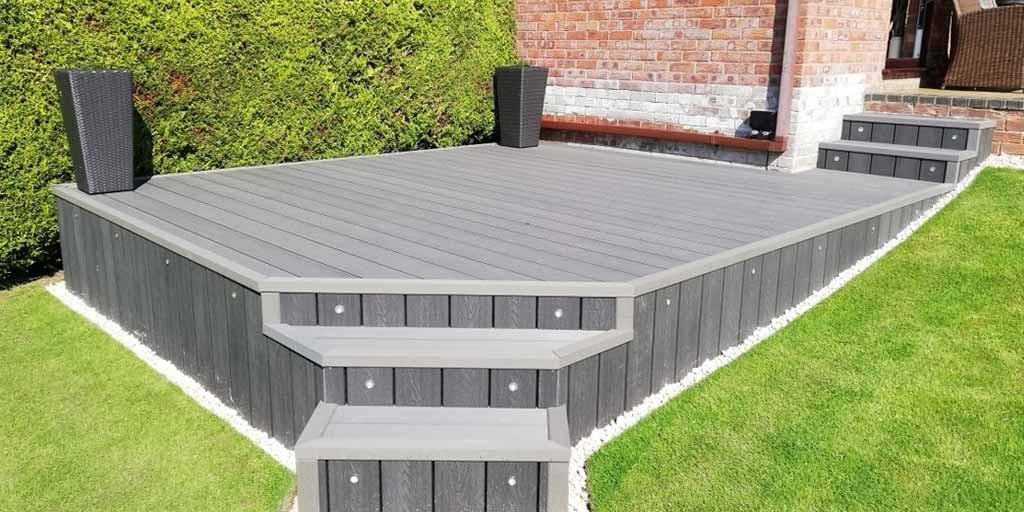
This innovative material is designed to mimic the appearance of traditional wood while offering enhanced durability and reduced maintenance. If you’re considering a new deck, understanding synthetic lumber could open up a world of possibilities.
What is Synthetic Lumber?
Synthetic lumber refers to engineered materials made from a blend of plastic and wood fibers, creating a product that resembles deck wood but offers superior performance. Unlike traditional wood decking, synthetic options are resistant to rot, splintering, and insect damage, making them an appealing choice for homeowners seeking longevity. With various styles available, composite deck boards can seamlessly integrate into any outdoor aesthetic while providing peace of mind against the elements.
Comparing Synthetic vs. Natural Options
When comparing synthetic lumber for decks with natural alternatives like deck wood, several factors come into play. While natural wood offers undeniable beauty and warmth, it requires regular maintenance such as staining and sealing to maintain its appearance over time. In contrast, composite lumber decking provides a hassle-free experience with minimal upkeep—just occasional cleaning needed—making it an attractive option for busy homeowners who still want a stunning outdoor space.
Sustainability of Synthetic Deck Materials
Sustainability is increasingly important in today's eco-conscious world; thus, understanding the sustainability of synthetic deck materials is crucial when choosing your decking types. Many manufacturers use recycled materials in their composite products, reducing waste and promoting environmental responsibility without sacrificing quality or aesthetics. By opting for synthetic options like composite deck boards over traditional wood, you contribute to forest conservation efforts while enjoying durable outdoor spaces that stand the test of time.
Deck Boards Varieties
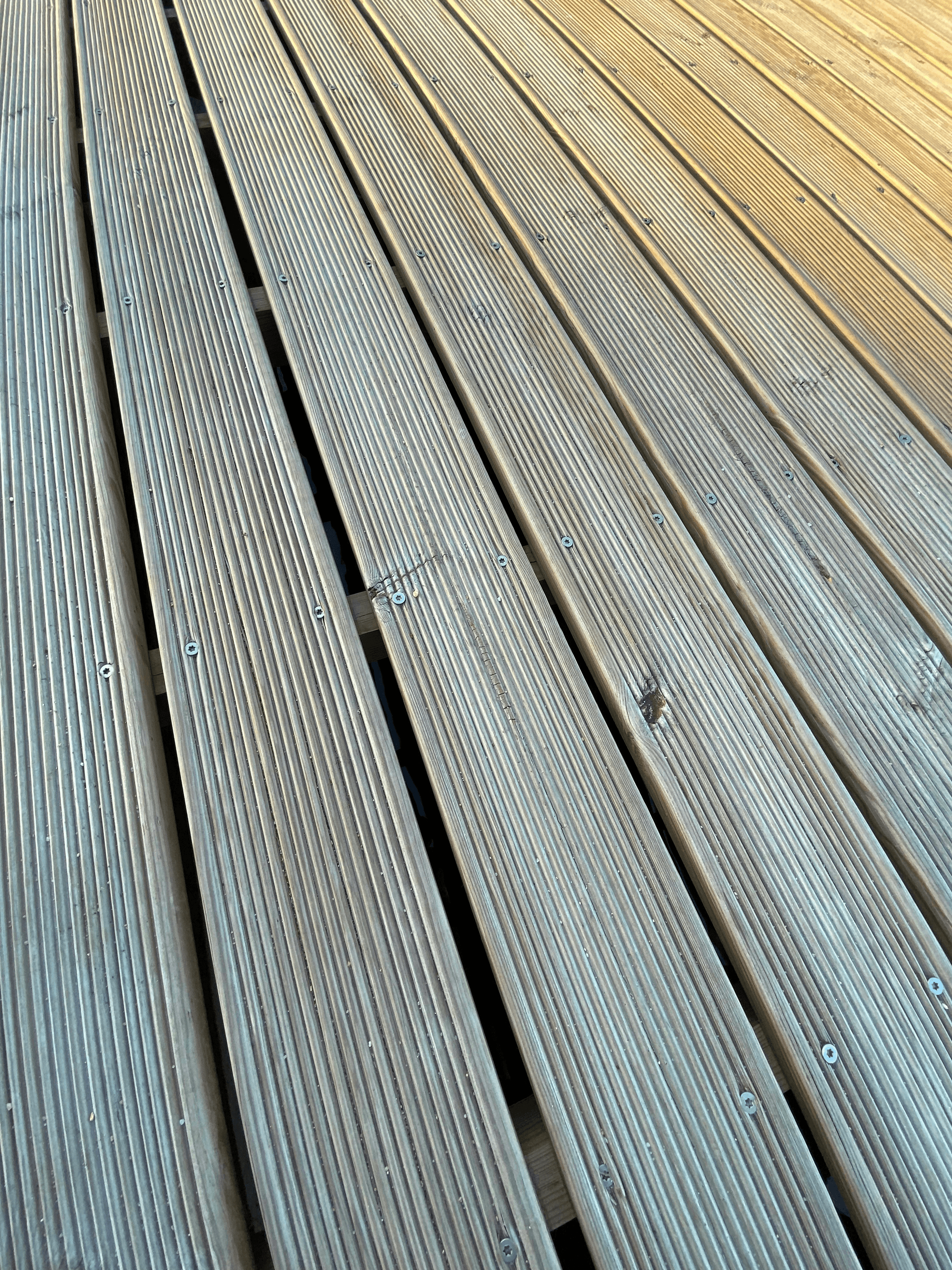
With various materials available, including natural wood, composite lumber decking, and synthetic lumber for decks, there’s something for every taste and budget. Understanding the options will help you create a beautiful and functional deck that stands the test of time.
Types of Deck Boards to Consider
First up on our list are traditional deck wood boards, which offer a classic look and feel that many homeowners adore. However, if you're leaning towards modern solutions, composite deck boards have gained immense popularity due to their durability and low maintenance needs. Synthetic lumber for decks is another option worth exploring; it's made from recycled materials and offers an eco-friendly alternative without compromising on aesthetics.
When considering deck boards, think about your lifestyle as well. If you have kids or pets running around, composite decking might be the way to go since it resists scratches and stains better than traditional wood. On the other hand, if you love the natural beauty of wood grain and don't mind some upkeep, then selecting quality deck wood could be your perfect fit.
Performance Factors for Deck Boards
Performance is key when evaluating different decking types; after all, you want your investment to last! Composite lumber decking typically outperforms natural wood in terms of resistance to moisture and UV damage—making it a wise choice for those living in harsher climates. Additionally, many composite deck boards come with warranties that can last up to 25 years or more, giving you peace of mind.
Another performance factor is slip resistance; this is particularly important if your deck will see frequent use during rainy weather. Many synthetic lumber options feature textured surfaces designed specifically to prevent slips while still looking stylish. Don't forget about thermal expansion either; some materials expand more than others when exposed to heat—something worth considering depending on where you live!
Pricing and Value of Different Deck Boards
Pricing plays a significant role in deciding which decking type suits your budget best—so let's break it down! Natural wood tends to be less expensive upfront compared to composite options but often requires more maintenance over time (think staining or sealing). In contrast, while composite decking may have a higher initial cost due to its manufacturing process using recycled materials, its longevity can provide great value in the long run.
When comparing prices among various types of deck boards like synthetic lumber versus traditional wood or even high-end composites like PVC decks—the key is understanding what you're getting for your money! Always consider factors such as warranty length alongside material costs; sometimes spending a little extra now can save you big headaches later on down the line! Ultimately, investing wisely in quality products will yield dividends through years of enjoyment with minimal upkeep.
Innovations in Decking

The decking world is evolving faster than you can say deck wood! With an increasing focus on sustainability and performance, innovations in decking types are reshaping how we think about outdoor spaces. From eco-friendly options to advanced materials, the future of decking looks brighter than ever.
Eco-Friendly Decking Solutions
Eco-conscious consumers are driving the demand for eco-friendly decking solutions that not only look great but also minimize environmental impact. Many manufacturers are now offering composite lumber decking made from recycled materials, which significantly reduces waste and resource consumption. By choosing these sustainable options, homeowners can enjoy beautiful deck boards while contributing to a healthier planet.
Additionally, some companies have developed synthetic lumber for decks that incorporates renewable resources or is designed to be fully recyclable at the end of its life cycle. This means that when your deck finally needs replacing, it won’t end up in a landfill—talk about a win-win! The innovation behind these eco-friendly solutions is transforming traditional perceptions of decking types and their impact on the environment.
Technology Behind Modern Decking Types
The technology behind modern decking types has come a long way since the days of splintery wood planks and constant maintenance. Today’s composite deck boards boast advanced formulations that enhance durability and resistance to weathering, stains, and fading. This means less time spent on upkeep and more time enjoying your outdoor oasis!
Moreover, innovations such as capped composites feature protective layers that further extend the lifespan of your deck composite decking while providing a stunning finish that mimics natural wood grain. With improved manufacturing techniques, new designs emerge regularly—think textured surfaces or vibrant colors—to suit every homeowner's style preferences. These advancements make it easier than ever to find the perfect fit among various decking types.
Composite Decking Inc: A Leader in Innovation
They specialize in creating high-quality composite deck boards that combine aesthetics with performance—ideal for those seeking both beauty and longevity in their outdoor spaces. Their commitment to research and development ensures they remain at the forefront of industry trends.
Composite Decking Inc has also embraced sustainability by incorporating recycled materials into their products while maintaining rigorous quality standards. This dedication not only benefits consumers but also contributes positively to environmental stewardship—a crucial consideration for today’s homeowners looking at various decking types available on the market. If you're considering upgrading your outdoor space with innovative solutions, this brand should be at the top of your list!
Conclusion
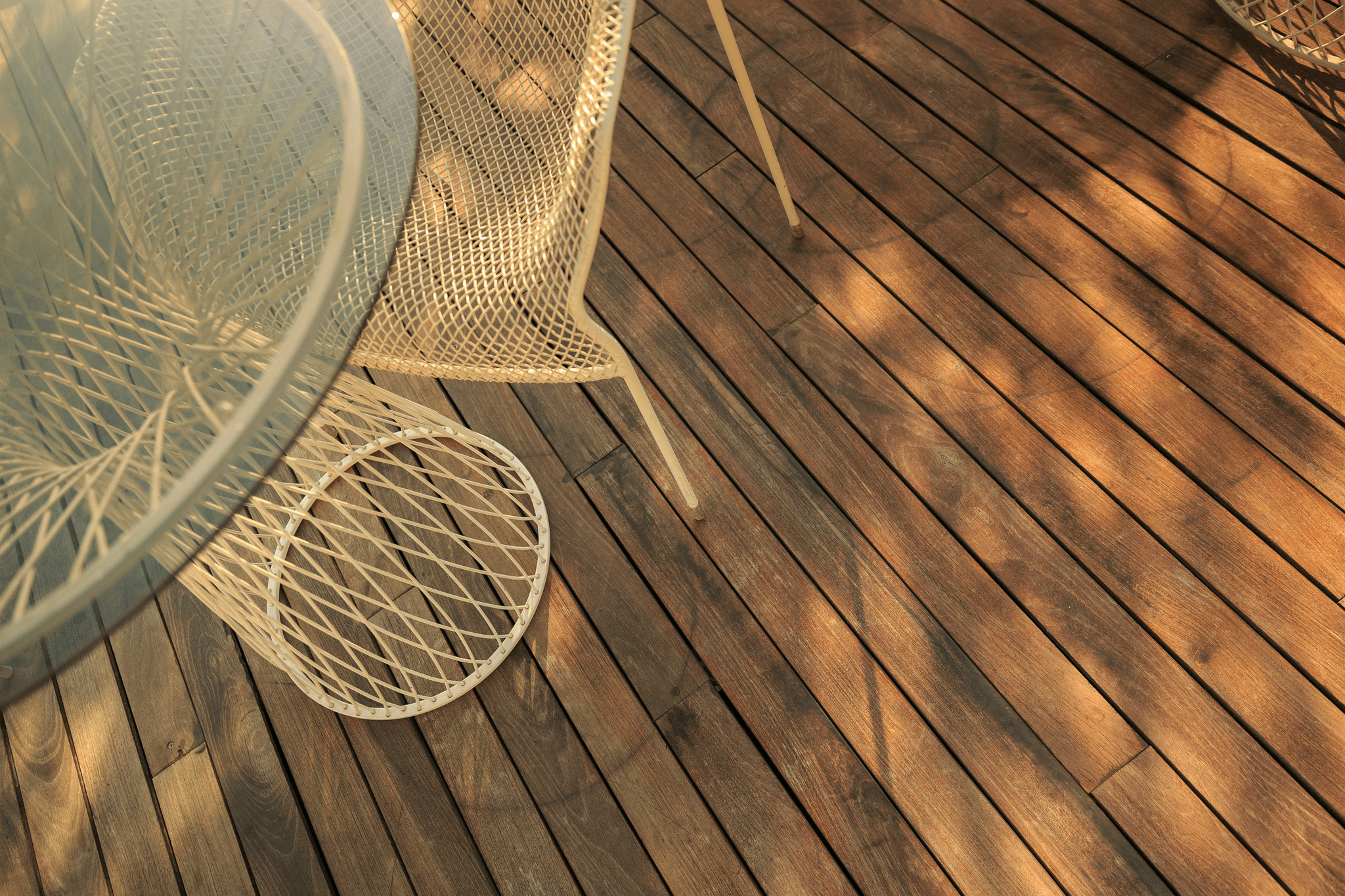
As you wrap up your journey through the world of decking types, it's clear that choosing the right material can significantly influence your outdoor experience. Whether you lean towards the natural charm of deck wood or the modern convenience of composite decking, each option presents unique benefits. Remember, your choice should align with your lifestyle, aesthetic preferences, and maintenance capabilities.
Choosing the Right Decking Type for You
Composite lumber decking has gained popularity for its low maintenance and impressive longevity compared to traditional wood options. However, if you're drawn to the classic beauty of deck wood and don’t mind a bit of extra care now and then, that could be your perfect match.
The Long-Term Value of Quality Decking
Investing in quality decking types pays off in more ways than one; it enhances both property value and enjoyment levels over time. While synthetic lumber for decks may have a higher upfront cost than some wood options, its durability means fewer repairs or replacements down the line. Plus, composite deck boards often come with warranties that ensure peace of mind for years to come.
Final Thoughts on Decking Types
In conclusion, whether you find yourself captivated by sleek composite decking or enchanted by rustic deck wood, there’s no shortage of fantastic choices available today. Take time to weigh all aspects—performance factors like resistance to weather elements and aesthetics are crucial in making an informed decision about deck boards. Ultimately, quality matters; investing wisely in your outdoor space will yield lasting rewards.