
Introduction
Composite decking has emerged as a top contender, providing an ideal solution that combines durability with style. With its unique properties, composite wood stands out as one of the best composite decking for docks available today.
Why Composite Decking is Ideal for Docks
The environment around water can be harsh on traditional materials, leading to rot and decay over time. Composite lumber decking offers a resilient alternative that withstands moisture without compromising on appearance or safety. This makes it particularly suitable for docks where exposure to water is a constant concern.
The Advantages of Choosing Composite Materials
One of the standout features of composite decking material is its low maintenance requirements compared to wood alternatives. Unlike traditional wood decks that need regular staining and sealing, PVC decking simply requires occasional cleaning to keep it looking fresh and new. Additionally, composite materials are often designed to resist fading and scratching, ensuring your dock remains beautiful for years to come.
Key Considerations for Dock Decking
Before diving into your project, it's essential to consider factors such as environmental exposure and safety features when selecting deck composite decking options. Look for materials that offer slip resistance in wet conditions and UV protection to prevent fading from sun exposure. By taking these key considerations into account, you can ensure you choose the best decking solution tailored specifically for your dock needs.
Assess Your Environment

Water exposure, temperature variations, and location all play significant roles in determining which composite materials will stand the test of time. By assessing these factors, you can make informed decisions about your deck composite decking that will keep your dock looking great for years to come.
Understanding Water Exposure
Water exposure is perhaps the most critical factor when selecting composite lumber decking for your dock. Docks are constantly subjected to moisture from waves, rain, and splashes, so choosing a material that can withstand these conditions is essential. The best decking options are designed specifically to resist water damage and prevent mold growth, ensuring that your composite wood remains durable and visually appealing over time.
Accounting for Temperature Variations
Temperature fluctuations can affect the performance of your chosen composite decking material. Extreme heat may cause some types of PVC decking to expand or warp, while cold temperatures could lead to brittleness in lesser-quality composites. When selecting the best composite decking for docks, consider materials that offer flexibility and resilience against temperature changes to maintain their integrity throughout the seasons.
Choosing the Right Location
The location of your dock plays a significant role in how well different types of composite decking will perform over time. Consider factors such as sun exposure and proximity to saltwater or freshwater when deciding where to build your dock. Opting for high-quality composite materials designed specifically for harsh environments will ensure that your deck stays safe and stylish regardless of its surroundings.
Choose Durable Composite Materials
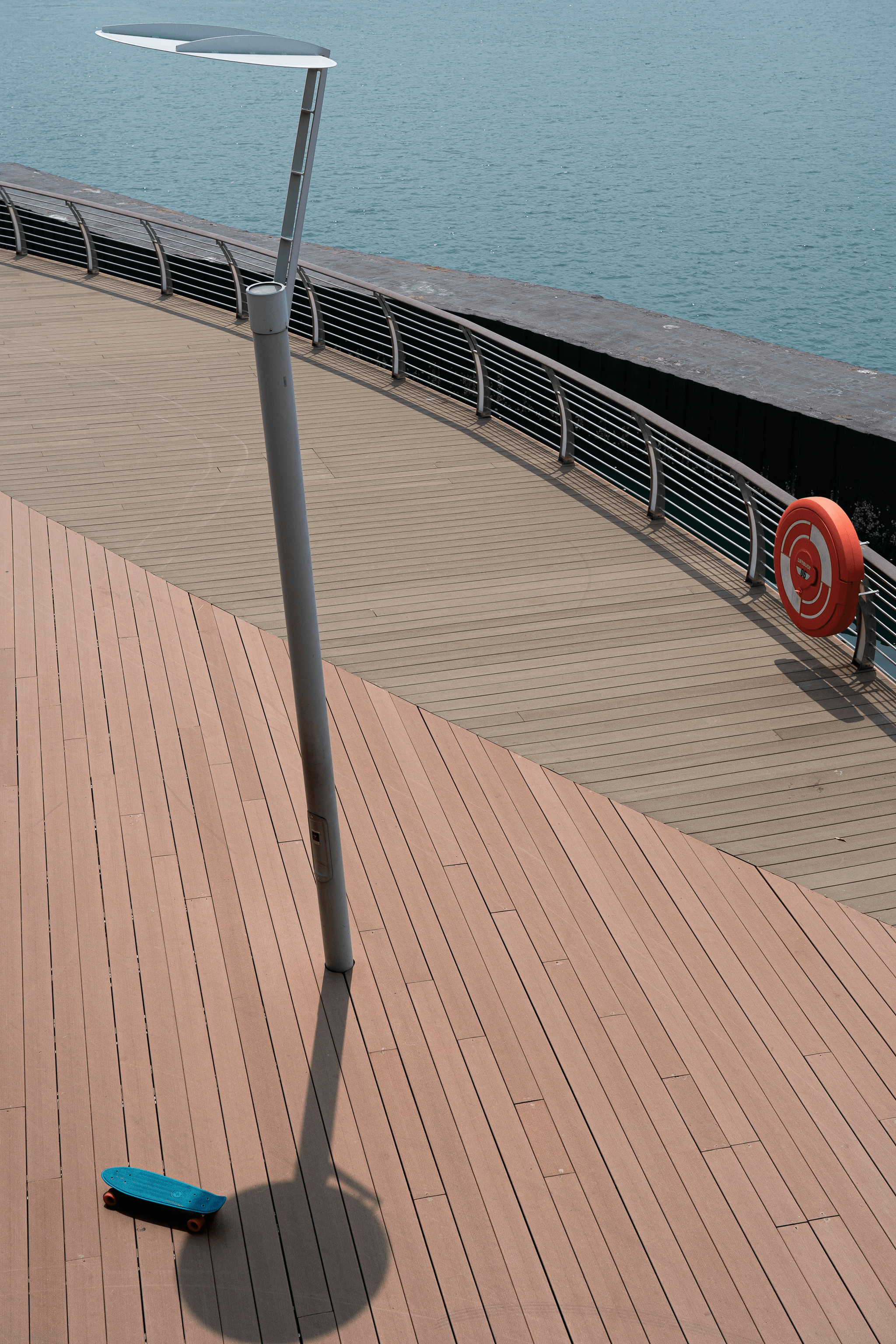
Composite lumber decking is engineered to withstand harsh environmental conditions, making it an ideal choice for waterfront applications. With various options available, it's essential to understand their differences to make an informed decision on the right deck composite decking for your needs.
Comparing Composite Lumber Decking Options
There are several types of composite lumber decking available, and each has its unique benefits. Some products are made from a blend of wood fibers and recycled plastic, while others use PVC as the primary material. Understanding these differences will help you identify which composite decking material offers the best performance in terms of longevity and aesthetics.
When comparing options, consider factors such as texture, color variety, and warranty coverage. Some brands offer enhanced UV protection or fade resistance that can prolong the life of your deck composite decking. Ultimately, choosing the right type can lead to years of enjoyment without worrying about wear and tear.
Evaluating Water Resistance and Longevity
Water resistance is crucial when selecting materials for docks since exposure to moisture can lead to deterioration over time. The best composite decking for docks typically features advanced water-resistant properties that prevent swelling or rotting common with traditional wood products. Look for brands that provide detailed information about their water resistance ratings and longevity guarantees.
In addition to water resistance, consider how well different materials hold up against temperature fluctuations and UV exposure. High-quality composite wood should maintain its structural integrity even when subjected to extreme conditions like heat or cold. Investing in durable materials will ensure your dock remains functional and visually appealing for many seasons.
Look for Low-Maintenance Solutions
Composite materials, particularly PVC decking, are designed to withstand harsh environmental conditions while requiring minimal upkeep. This means more time enjoying your dock and less time worrying about maintenance chores.
Benefits of PVC Decking
PVC decking is a standout choice when considering low-maintenance solutions for your dock. Unlike traditional wood or even some composite lumber decking options, PVC does not require staining or sealing, which can be a significant time-saver. Additionally, it is resistant to mold, mildew, and fading from UV exposure—making it an excellent option for those looking to invest in durable deck composite decking.
Another advantage of PVC decking is its ability to resist water damage and rot, ensuring longevity even in wet conditions. This makes it one of the best choices for docks that experience constant water exposure. Plus, with its sleek appearance and variety of colors available, you won’t have to compromise on aesthetics while choosing a practical solution.
Maintenance Tips for Composite Decking
While composite wood is generally low-maintenance compared to traditional materials, there are still some tips that can help keep your deck looking pristine over the years. Regular cleaning with soap and water will remove dirt and debris that can accumulate on the surface of your deck composite decking. It’s also wise to check for any loose boards or fasteners periodically—this simple step can prevent larger issues down the line.
Avoid using harsh chemicals or power washers as they may damage the surface finish of your composite decking material. Instead, stick with gentle cleaners specifically designed for composites; this ensures you maintain both appearance and longevity without unnecessary wear and tear. By following these maintenance tips, you'll ensure that your investment remains one of the best composite decking options available.
How Composite Wood Stands Up Over Time
One of the most compelling reasons people choose composite lumber decking is its impressive durability over time compared to traditional wood options. High-quality composite wood is engineered to resist warping, splintering, and cracking—even under extreme weather conditions like intense sun or heavy rainfalls common near docks. This resilience means less frequent replacements or repairs are needed throughout its lifespan.
Moreover, many brands offer warranties that can last up to 25 years or more on their products—an assurance that speaks volumes about their confidence in durability! When you select quality deck composite decking made from advanced materials like polyethylene or polypropylene blends with recycled content, you're investing in something built to last while being environmentally friendly too.
Color and Texture Matter
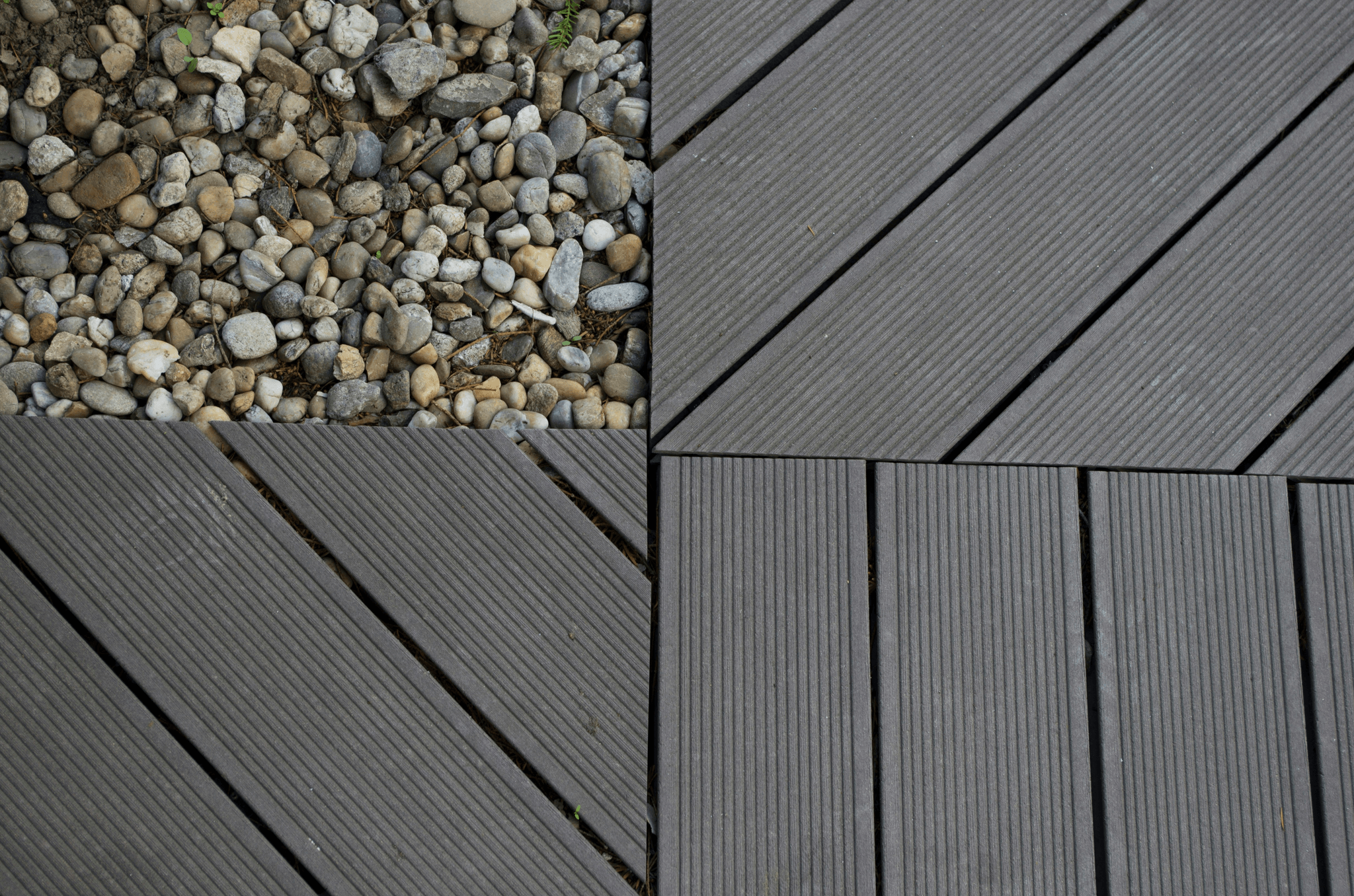
The right aesthetic can elevate your dock's appearance while ensuring it blends seamlessly with the surrounding environment. With a variety of options available, you can find the perfect match that reflects your personal style and complements your home.
Finding the Right Aesthetic
Selecting the ideal look for your dock involves considering both functionality and visual appeal. Composite lumber decking offers a wide range of colors and textures that cater to different tastes, from rustic wood finishes to modern sleek designs. By opting for composite decking material, you not only achieve an attractive finish but also ensure durability against environmental factors.
Popular Colors for Composite Decking
When browsing through options for deck composite decking, you'll encounter an array of popular colors that cater to various aesthetics. Earthy tones like browns and grays are favored for their natural look, while brighter hues can add a pop of personality to your dock. Many brands offer customizable shades so you can achieve the best decking solution tailored to your preferences.
Texture Options and Their Benefits
Texture is just as important as color when selecting composite wood for your dock; it impacts both safety and comfort underfoot. Textured surfaces enhance slip resistance, making them ideal for wet conditions often found around docks. Additionally, different textures can create visual interest—think smooth finishes versus embossed patterns—allowing you to choose what feels right while ensuring longevity in performance.
Check for Safety Features
When it comes to selecting the best composite decking for docks, safety features should be at the forefront of your decision-making process. After all, a beautiful deck is only as good as its ability to keep you and your loved ones safe while enjoying the great outdoors. Whether you're lounging on a sunny afternoon or navigating wet conditions, ensuring that your composite wood decking is equipped with essential safety features can make all the difference.
Slip Resistance in Wet Conditions
One of the most crucial aspects to consider when choosing composite decking material for your dock is slip resistance, particularly in wet conditions. Water exposure can turn an otherwise picturesque setting into a slippery hazard if you’re not careful. Look for composite lumber decking options that boast textured surfaces or specialized coatings designed to enhance grip and minimize slip risks, ensuring that you have a safe walking surface even after rain or splashes from boats.
UV Protection in Composite Decking
Another vital safety feature to consider is UV protection in your composite decking materials. Prolonged exposure to sunlight can lead not only to fading but also to degradation of the deck's structural integrity over time. Choosing PVC decking products that offer built-in UV protection helps maintain both color and durability, allowing you to enjoy your outdoor space without worrying about sun damage compromising safety.
Meeting Local Safety Standards
Finally, it's essential to ensure that any deck composite decking solution you choose meets local safety standards and building codes. These regulations are designed with public safety in mind and often include specifications regarding weight capacity, railings, and other structural elements crucial for docks and other elevated structures. By selecting products that comply with these standards—whether they be from well-known brands or newer entrants—you'll be investing in a safe environment where friends and family can gather without worry.
Get Professional Installation Advice

When it comes to installing composite decking for docks, seeking professional help can make a world of difference. Not only do experienced contractors bring specialized knowledge to the table, but they also understand the nuances of working with composite materials like PVC decking and composite lumber decking. This expertise ensures that your deck composite decking is installed correctly, maximizing durability and aesthetic appeal.
Why Professional Help is Beneficial
Hiring professionals for your dock's composite decking installation offers numerous advantages. First and foremost, they have the skills needed to handle complex layouts and ensure precise measurements, which is crucial for achieving the best decking results. Additionally, professionals are familiar with local building codes and safety regulations, reducing the risk of costly mistakes or delays during construction.
Moreover, professional installers typically provide warranties on their work, giving you peace of mind that your investment in composite wood will stand the test of time. With their experience in using various types of composite decking material, they can recommend solutions tailored to your specific environment and needs. Ultimately, hiring a pro can save you both time and money while ensuring that you get the best composite decking for docks.
Tips from Composite Decking Inc on Installation
Composite Decking Inc has some valuable tips that can help streamline your installation process for dock decking made from composite materials. One key piece of advice is to always read the manufacturer's guidelines thoroughly before beginning any installation project; this ensures you're aware of specific requirements related to your chosen composite lumber decking or PVC decking options.
Additionally, it's beneficial to plan ahead by gathering all necessary tools and materials before starting the job—nothing slows down progress more than running out for supplies mid-installation! Finally, consider using hidden fasteners when laying down your deck; this creates a clean look while enhancing the overall longevity of your deck by minimizing exposed screws.
DIY vs. Hiring a Contractor
When weighing whether to tackle your dock's deck composite decking project as a DIY endeavor or hire a contractor, it's essential to assess both options carefully. While DIY projects can be fulfilling and cost-effective if you're handy with tools and have some prior experience with similar installations, remember that working with composite wood requires precision—any miscalculations could lead to significant issues down the line.
On the other hand, hiring a contractor not only guarantees high-quality workmanship but also saves you from potential headaches associated with unexpected challenges during installation. In summary, if you're looking for hassle-free results and want assurance that you're getting one of the best composites available for docks without compromising quality or safety standards—professional installation might just be worth every penny!
Conclusion
In wrapping up our exploration of the best composite decking for docks, it's clear that choosing the right materials can significantly enhance your waterfront experience. Composite lumber decking not only offers durability but also combines aesthetic appeal with low maintenance, making it a smart choice for any dock project. With a variety of options available, selecting the best decking can transform your outdoor space into a stylish and functional area.
The Best Composite Decking for Docks
High-quality composite decking material is designed to withstand harsh aquatic environments while maintaining its integrity over time. Brands that specialize in composite wood often provide solutions tailored specifically for dock applications, ensuring you get the most out of your investment.
Making Informed Choices in Deck Composite Decking
Making informed choices in deck composite decking means considering not just aesthetics but also performance characteristics like slip resistance and UV protection. It's essential to evaluate different types of composite lumber decking based on their features and benefits before making a final decision. By doing thorough research and consulting with professionals, you can ensure that your selected materials are well-suited to your specific needs.
Final Thoughts on Durable and Stylish Decking Solutions
In conclusion, opting for PVC decking or other forms of composite wood provides an excellent balance between style and durability—perfect for any dock setting. Remember that investing in quality composite decking material now will save you time and money on maintenance down the line. So go ahead, elevate your outdoor space with the best composite decking for docks; you'll be glad you did!