
Introduction

In the world of outdoor living spaces, composite decking has emerged as a popular alternative to traditional wood decks. Homeowners are increasingly asking, What is composite decking? This innovative material combines the best aspects of wood and plastic, resulting in a durable, low-maintenance solution that enhances any backyard.
Understanding Composite Decking
Composite lumber decking is made from a blend of recycled wood fibers and plastic, creating a product that mimics the appearance of natural wood while offering superior durability. Unlike conventional wood decks, which require frequent staining and sealing, composite decking requires minimal upkeep—just an occasional wash with soap and water will do. As you explore different decking materials for your outdoor space, you'll find that composite options offer not only aesthetic appeal but also long-lasting performance.
Why Choose Composite Over Wood
Choosing composite over traditional wood decks comes with numerous advantages that make it an appealing option for homeowners. For starters, composite decking is resistant to splintering, warping, and fading—issues commonly associated with wood decks. Additionally, its eco-friendly characteristics stem from the use of recycled materials in its production, making it one of the best decking choices for environmentally conscious consumers.
The Rise of Composite Decking
The rise in popularity of composite decking can be attributed to several factors: increased awareness about sustainability, advancements in technology leading to improved products, and changing consumer preferences towards low-maintenance solutions. As more people seek ways to enhance their outdoor spaces without the hassle of constant upkeep associated with wood decks, manufacturers have responded by developing a wide variety of styles and colors in deck composite decking options. With this surge in demand for durable and stylish solutions for outdoor living areas, it's no wonder that composite lumber decking has become a go-to choice among homeowners looking to transform their spaces.
What is Composite Decking?
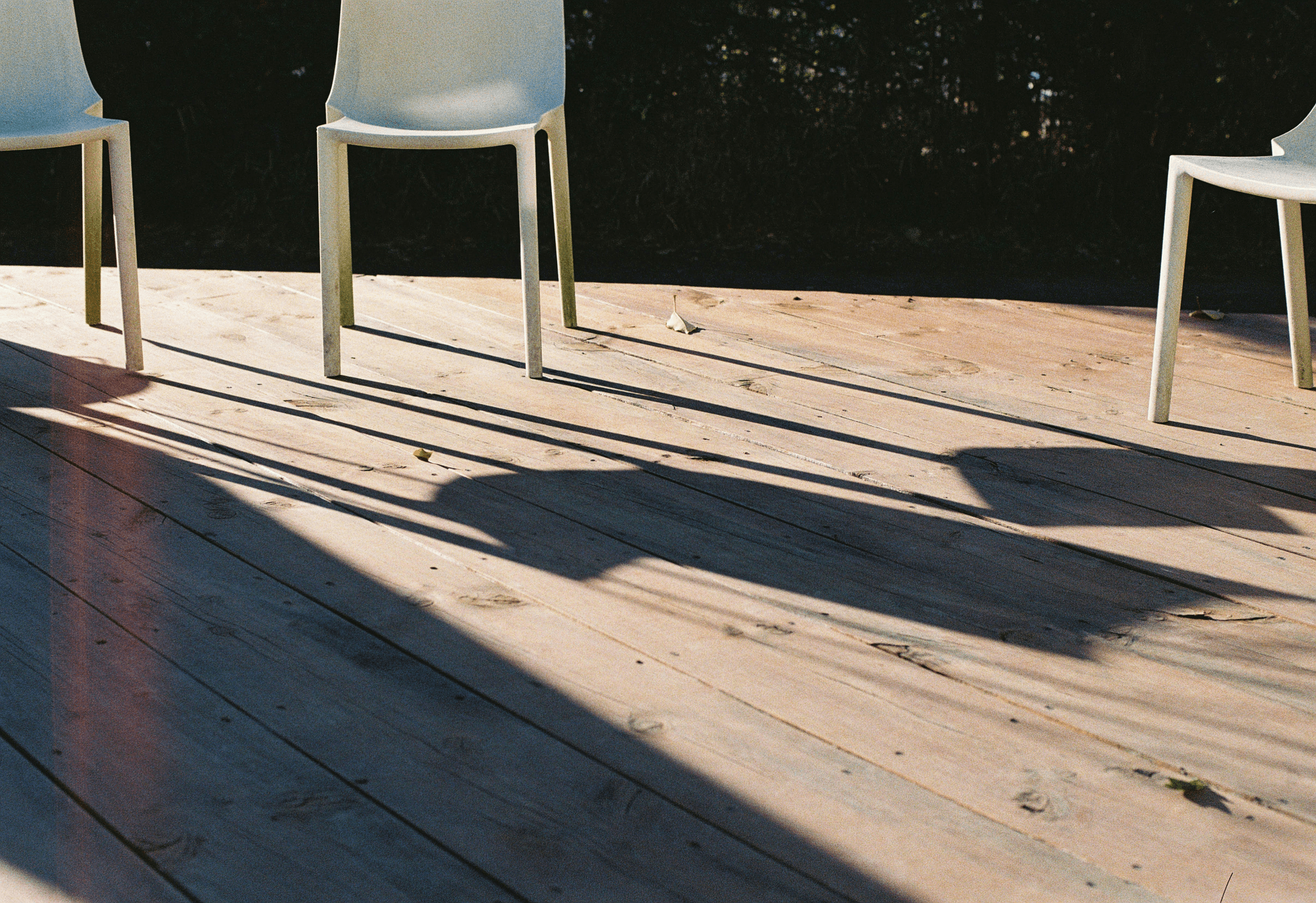
Simply put, composite decking is a blend of wood fibers and plastic materials engineered to create a strong and durable alternative to traditional wood decks. This innovative decking material offers the aesthetic appeal of wood while providing superior resistance to the elements, making it an increasingly popular choice for outdoor projects.
Definition and Composition
Composite lumber decking is manufactured using a combination of recycled wood fibers and high-density polyethylene (HDPE) or polypropylene. This unique composition not only gives composite decking its characteristic look but also enhances its durability and low maintenance needs. The result? A deck that stands up to rain, sun, and snow without warping or splintering like traditional wood decks.
How Composite Differs from Wood Decks
One of the most significant differences between composite decking and conventional wood decks lies in their longevity. While wood decks require regular staining and sealing to maintain their appearance, composite options are designed for minimal upkeep—just an occasional wash with soap and water will do! Additionally, composite materials resist fading, scratching, and mold growth far better than their wooden counterparts, making them an ideal choice for busy households.
Popular Brands and Options
In the world of deck composite decking, several brands have emerged as frontrunners thanks to their quality products. Brands like Trex, TimberTech, and Fiberon offer a variety of colors and textures that mimic natural wood while providing all the benefits of composite materials. When choosing the best decking material for your needs, consider factors such as warranty offerings, color options, and overall reputation in the market.
Benefits of Composite Decking

When considering what is composite decking, it’s essential to understand its myriad benefits that make it a popular choice for homeowners. Composite lumber decking provides a unique blend of durability, low maintenance, and eco-friendly characteristics that set it apart from traditional wood decks. Let’s dive into the key advantages that make composite decking the best decking option for many.
Durability Against the Elements
One of the standout features of composite decking is its impressive durability against the elements. Unlike wood decks, which can warp, crack, or splinter over time due to moisture and UV exposure, deck composite decking is engineered to withstand these challenges effortlessly. This resilience means you can enjoy your outdoor space without worrying about frequent repairs or replacements.
Composite materials are designed to resist fading and staining, making them ideal for any climate condition—from scorching sun to heavy rain. The combination of plastic and wood fibers in composite lumber decking creates a robust structure that remains intact year after year. Investing in this type of decking material means investing in long-lasting beauty and functionality.
Low Maintenance and Upkeep
Another significant advantage of composite decking is its low maintenance requirements compared to traditional wood decks. Homeowners often find themselves spending weekends sanding, staining, or sealing their wooden surfaces; however, with composite options, you can say goodbye to those tedious tasks! A simple wash with soap and water is usually all that's needed to keep your deck looking pristine.
Moreover, since deck composite decking doesn’t require periodic sealing or painting like wood decks do, you’ll save both time and money in the long run. This ease of upkeep allows you more time to enjoy your outdoor oasis rather than laboring over it—after all, isn’t that what having a deck is all about? By choosing this innovative material for your next project, you'll appreciate how hassle-free outdoor living can be.
Eco-Friendly Characteristics
Sustainability is an increasingly important consideration when selecting building materials today—and here’s where what is composite decking truly shines! Many brands utilize recycled materials in their manufacturing process; thus opting for composite lumber decking not only benefits your property but also helps reduce waste in landfills. It’s a win-win situation for both homeowners and Mother Earth!
Furthermore, because this type of decking does not require harmful chemicals for preservation like some treated woods do, it's better for the environment overall. Choosing eco-friendly options aligns with growing trends toward sustainable living while still providing stunning aesthetics on your patio or backyard retreat. So when you're contemplating which best decking option suits your needs—remember that going green has never looked so good!
Composite Lumber Decking Installation
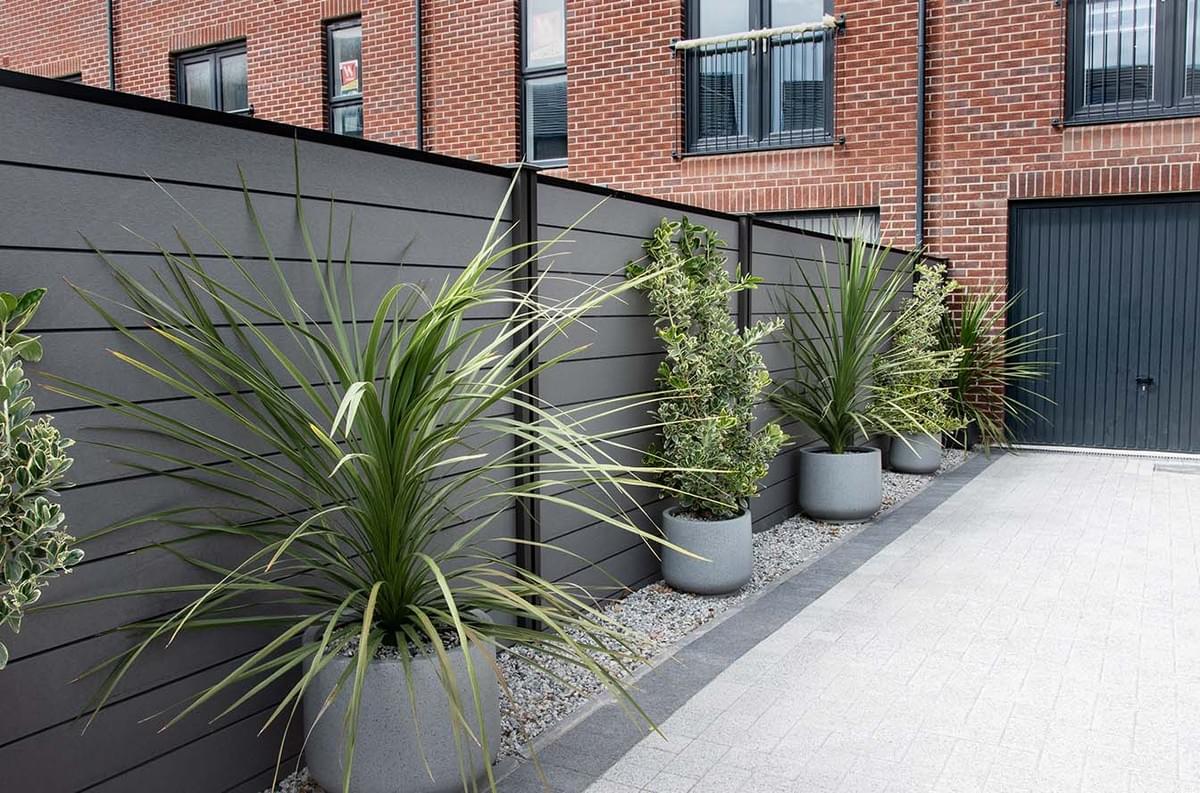
DIY vs. Professional Installation
Choosing to tackle composite decking installation yourself can be rewarding and cost-effective, especially if you're handy with tools and have a bit of time on your hands. However, it’s essential to recognize that while wood decks might seem straightforward, composite materials often require specific techniques for optimal results. On the other hand, hiring professionals ensures that you benefit from their expertise in handling complex installations and adhering to local building codes.
If you’re leaning towards the DIY route, make sure you have all necessary tools and materials ready before starting your project; nothing derails progress faster than running out of screws or realizing you need an extra tool halfway through! Conversely, if you choose professional installation for your deck composite decking project, be sure to vet contractors thoroughly—check reviews and ask for previous work samples to ensure quality craftsmanship.
Installation Tips and Best Practices
To make your composite decking installation as smooth as possible, start with a solid plan that includes precise measurements and layout designs. It’s advisable to familiarize yourself with what is composite decking; understanding its unique properties will help prevent mistakes during the build process. When laying out boards, remember to leave adequate spacing between them for drainage—this helps prolong the life of your deck by preventing moisture buildup.
Another best practice is using hidden fasteners instead of traditional nails or screws; this not only enhances aesthetics but also reduces potential hazards caused by protruding fasteners on wood decks. Additionally, always follow manufacturer guidelines regarding spacing and expansion gaps; ignoring these can lead to warping or buckling over time. Finally, don’t forget about safety gear—protective eyewear and gloves are essential when working with power tools!
Common Mistakes to Avoid
Even seasoned DIYers can fall victim to common pitfalls during their composite decking installation projects. One major mistake is underestimating the importance of a proper substructure; without adequate support beneath your deck composite decking boards, even high-quality materials may sag or warp over time. Another frequent error is neglecting ventilation; ensuring airflow beneath your deck helps prevent moisture-related issues that can compromise both appearance and structural integrity.
Many people also overlook checking local building codes before beginning their project—it’s crucial not only for compliance but also for avoiding costly fines down the line! Lastly, failing to account for thermal expansion can lead to unsightly gaps or buckling in hot weather; always leave room for movement when installing boards adjacent to walls or other structures.
Cost Analysis: Composite vs. Traditional Decking
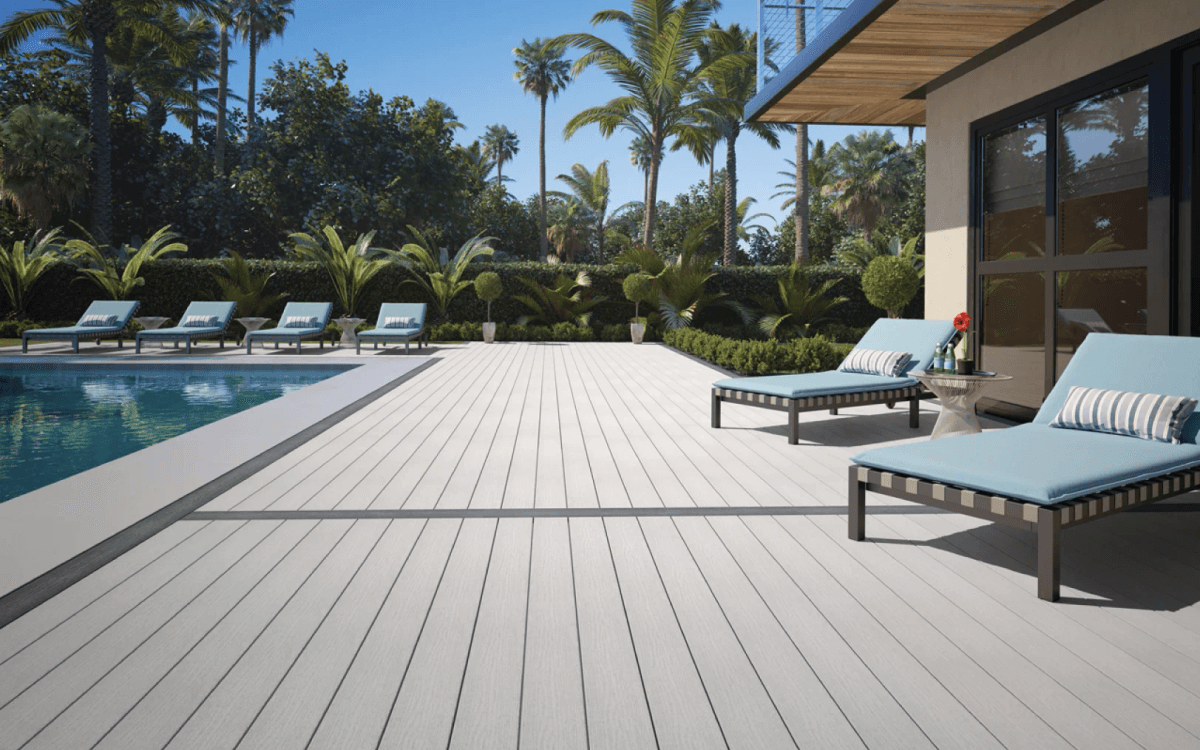
Initial Costs Explained
The initial investment for composite decking tends to be higher than that of traditional wood decks, which can catch many homeowners off guard. On average, composite decking materials can range from $2 to $5 per linear foot, while wood decks might only cost between $1 and $3 per linear foot. However, it's essential to consider that this upfront cost reflects not just the material itself but also its durability and longevity compared to wood.
Long-Term Savings with Composite
While the initial costs may seem daunting, opting for deck composite decking can lead to substantial long-term savings. Unlike wood decks that require regular staining and sealing—adding up over time—composite decking installation is low maintenance and typically only needs occasional cleaning with soap and water. Over a decade or more, these savings on maintenance and repairs will often outweigh the higher initial expenditure associated with composite materials.
Value Addition to Your Property
Investing in composite lumber decking does more than just provide a beautiful outdoor space; it adds significant value to your property as well. Homes equipped with modern deck options like composite tend to attract buyers who appreciate low-maintenance features and eco-friendly characteristics—making them more marketable when it's time to sell. In fact, studies have shown that homeowners can recoup up to 70% of their investment in composite decking upon resale, making it one of the best decking choices for both enjoyment and financial return.
Choosing the Best Decking Material
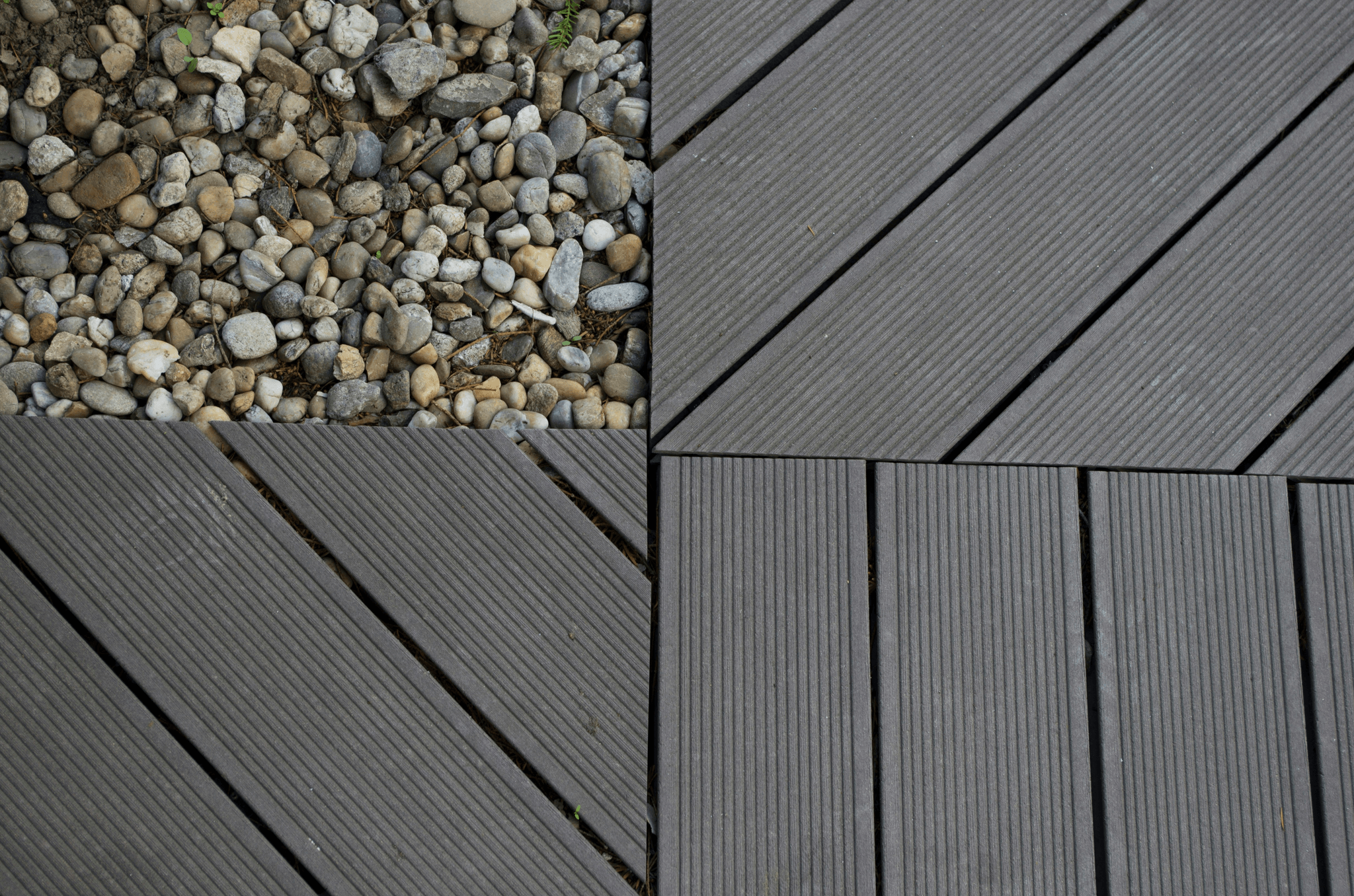
When it comes to selecting the best decking material, homeowners often find themselves at a crossroads between traditional wood decks and modern composite options. Understanding what is composite decking can help you make an informed decision that suits your lifestyle and aesthetic preferences. As you explore the world of deck composite decking, consider factors like durability, maintenance, and environmental impact.
Factors to Consider
Selecting the right decking material involves evaluating several key factors that will influence your enjoyment and investment in outdoor living spaces. First, consider the climate in your area; composite lumber decking excels in regions with extreme weather conditions due to its resistance to fading, warping, and splintering compared to wood decks. Additionally, think about how much time you're willing to dedicate to maintenance; if low upkeep is a priority for you, composite decking installation may be your best bet.
Another important factor is budget; while initial costs for composite materials may be higher than traditional wood decks, they often pay off in long-term savings due to lower maintenance requirements. Don’t forget about aesthetics—choosing a deck that complements your home’s design can elevate your outdoor space significantly. Finally, consider any warranties offered by manufacturers; many top brands provide extensive coverage on their products.
Comparing Texture and Aesthetics
Traditional wood provides a natural beauty that many homeowners love; however, this beauty often requires regular staining or sealing to maintain its appearance over time. On the other hand, deck composite decking comes in various colors and finishes designed to mimic the look of natural wood without the constant upkeep.
Composite decking materials are engineered for consistency in color and texture across boards—no more surprises when you open a new package! Many brands now offer advanced surface treatments that enhance slip resistance while providing a realistic wood-like feel underfoot. Ultimately, whether you prefer the timeless appeal of wood or the versatility of composites depends on your personal style and how much effort you want to invest in maintaining it.
Top Composite Decking Brands
With so many options available on the market today, identifying top composite decking brands can simplify your decision-making process significantly. Leading names like Trex®, TimberTech®, and Fiberon® have established reputations for quality products that stand up against wear and tear while offering aesthetic appeal through various colors and textures—perfect for any outdoor setting! Each brand has its unique features; for instance, Trex® boasts eco-friendly materials made from recycled content.
Additionally, some brands focus heavily on innovative technology for improved performance—such as enhanced moisture resistance or fade protection—which can be crucial when considering what is composite decking versus traditional options like wood decks. Before making a purchase decision or scheduling your composite decking installation, always check customer reviews and warranty information from these leading manufacturers for peace of mind.
Conclusion
In wrapping up our exploration of composite decking, it’s clear that this innovative material offers a myriad of benefits over traditional wood decks. From its impressive durability to its eco-friendly attributes, composite lumber decking stands out as a top choice for homeowners seeking both functionality and aesthetics. As we delve into the key advantages, sustainability considerations, and the transformative potential of these materials, it's evident that composite decking is not just a trend—it's the future of outdoor living.
Key Advantages of Composite Decking
What is composite decking? It's a blend of recycled materials designed to withstand the test of time while maintaining an attractive appearance. One major advantage is its durability against harsh weather conditions; unlike wood decks that can warp or rot, deck composite decking resists fading and splintering, ensuring your outdoor space looks pristine year after year. Additionally, the low maintenance requirements mean you can spend more time enjoying your deck rather than worrying about upkeep—no more sanding or staining!
Final Thoughts on Sustainability
When considering what is composite decking in relation to sustainability, it’s important to recognize its eco-friendly characteristics. Composite lumber decking is made from recycled plastics and wood fibers, reducing waste while promoting responsible use of resources. By choosing this material over traditional wood decks, you’re not only enhancing your property but also contributing positively to environmental conservation efforts—a win-win for both you and Mother Earth!
Transform Your Space with Composite Decking
If you're contemplating an upgrade to your outdoor area, consider how composite decking can transform your space into an inviting oasis. The versatility in colors and textures available within the best decking options allows you to create a unique aesthetic that complements your home beautifully. With proper composite decking installation—whether DIY or professional—you'll be well on your way to enjoying a stylish and functional deck that enhances both relaxation and entertainment.